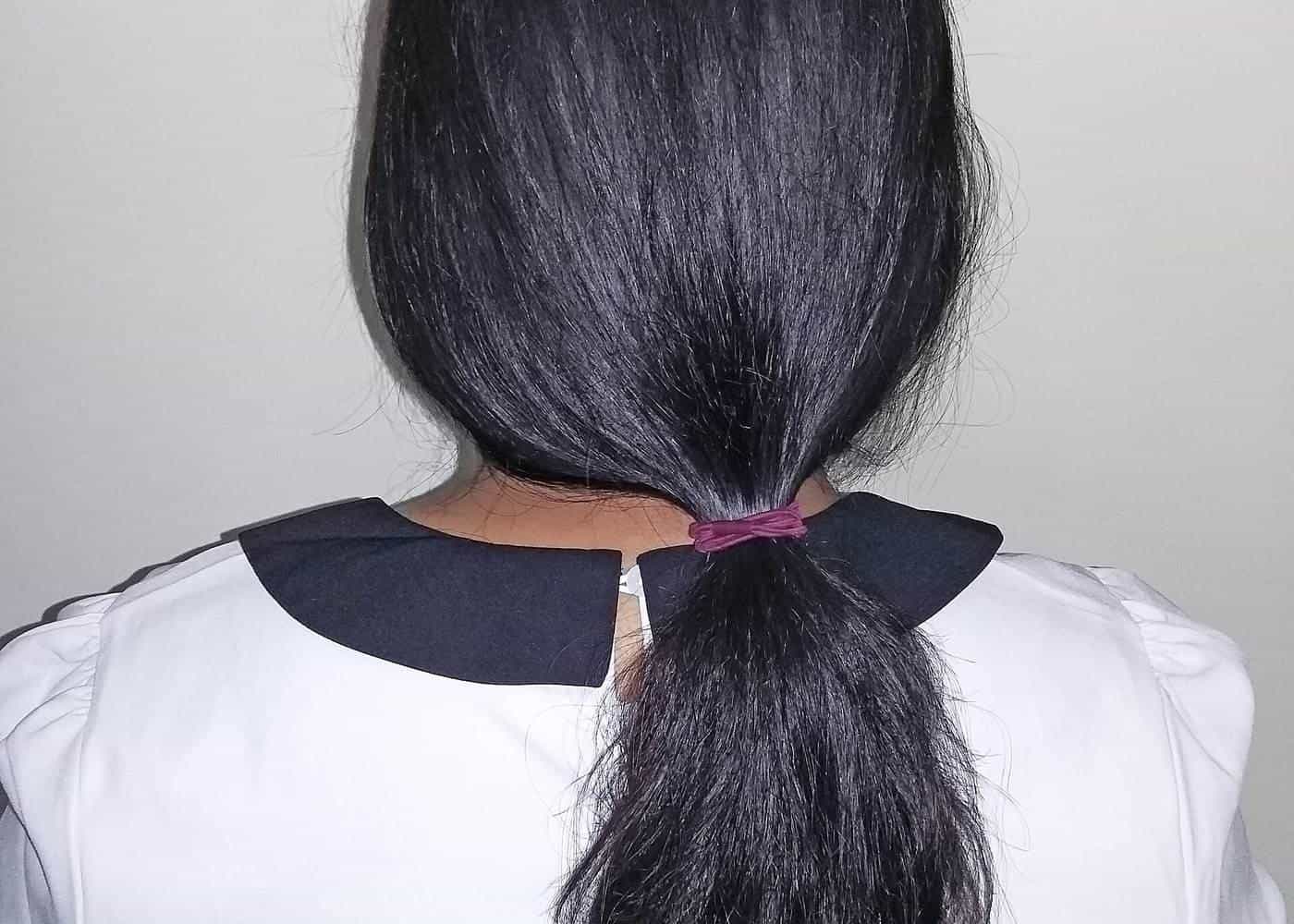
Scrunchies have a reputation as the kinder hair tie, and there's good reason: the fabric cushions the elastic, spreads the grip and has no metal join to snag. But the biggest factor in hair health isn't the accessory. It's tension. Dermatology organisations explain that pulling hair tightly back, especially in the same style every day, can cause a type of hair loss called traction alopecia. These guides explain how to tie your hair gently for everyday life, sleep, sport and every hair type.
The guides in this section
- Protecting hair from breakage Traction alopecia, warning signs and gentle habits.
- Scrunchies for curly and textured hair Smooth fabrics, pineappling, protective styles and keeping edges relaxed.
- Sleeping with your hair tied Loose overnight styles, pillowcases and what to avoid.
- Hair ties for sport and swimming Firm but gentle holds, helmets, chlorine and salt.
What dermatologists say about tight styles
DermNet describes traction alopecia as hair loss due to tension on the hair follicle. The American Academy of Dermatology lists tight ponytails, buns, braids, cornrows, extensions and similar styles among those that can cause it, and advises loosening any style that hurts. The British Association of Dermatologists notes that stopping tight styles is the key step, and that in the early stages hair can regrow, with regrowth sometimes beginning around three months after the tension stops. After many years of pulling, hair loss can become permanent.
Warning signs
- Thinning or receding at the hairline or temples.
- Short, broken hairs where a tie sits.
- Tenderness, stinging or a headache after tying hair up.
- Small bumps or redness on the scalp.
If you notice these, loosen your styles and see a GP or dermatologist, especially if changes continue. Hair loss has many causes, so it's worth getting checked.
Everyday habits that help
Wear ponytails and buns loosely, change where they sit, give your hair days off, avoid tying wet hair tightly, and remove scrunchies gently by unwinding rather than dragging. Replace stretched scrunchies rather than wrapping them tighter. These small habits reduce both breakage along the hair shaft and tension at the root.
Different hair, different needs
Fine hair can let smooth scrunchies slip, so velvet or cotton may hold with fewer wraps. Thick hair often needs strong elastic. Curly and coily hair is more prone to friction and tangling, and often benefits from large, smooth scrunchies worn loosely. Children's hair is often tied tightly for school; children may not say it hurts, so check with them.
Day and night
A style you wear overnight is a style you wear for many hours, lying on it. Loose low ponytails, loose braids and pineapples (gathering curls loosely on top of the head) are common gentle choices. Avoid hard clips and tight top knots in bed. Our sleep guide explains more.
Sport and swimming
Exercise calls for a hold that stays put, but it shouldn't hurt. Low ponytails and braids fit better under helmets. Chlorine, salt and sun weaken elastic and fade fabric, so rinse ties after swimming and keep a separate swim tie if you swim often.
Hair care through life stages
Hair changes over a lifetime. Children's hair is often fine and is easily pulled tight for school. Hormonal changes in adolescence, pregnancy and menopause can change hair thickness and texture. Hair often becomes finer with age. Whatever stage you're at, the same gentle principles apply: comfortable tension, varied positions, days off and soft accessories. If you notice sudden or unusual hair shedding at any age, see your GP, as there are many possible causes beyond hairstyles.
Heat and chemical treatments
Heat styling, bleaching, perming and relaxing can all leave hair more fragile, which makes gentle tying even more important. Follow your hairdresser's aftercare advice, give treated hair extra days off from tight styles and choose soft, smooth scrunchies when you do tie it up.
Choosing gentle accessories
Seamless elastics, spiral ties, smooth claw clips and soft scrunchies all avoid metal joins and rough edges. Whatever you use, check it regularly for cracks, fraying or exposed elastic. Our comparison of scrunchies, ties and clips explains the pros and cons of each.
Five habits for happy hair and scrunchies
- Wear it loosely. A hairstyle should never hurt.
- Move it around. Change where your ponytail or bun sits from day to day.
- Give your hair days off, with hair down or loose.
- Keep scrunchies clean and follow the care label.
- Replace tired elastic instead of winding a scrunchie tighter.
About these guides
Scrunchies is an independent information site about choosing, wearing, making and caring for scrunchies in Australia. We aren't a shop, brand, manufacturer or retailer, and we don't recommend particular businesses. Our guides are general information written in our own words, with expert and official sources listed on every page. They aren't medical advice: if you're worried about your hair or scalp, see your GP or a dermatologist.
How we keep these guides current
We review each guide against its sources and show the date it was last checked. Health guidance and product safety rules change from time to time. If you notice something out of date, please tell us through our contact page, and we'll check and correct it.
Use the scrunchie maker
Our free scrunchie maker suggests a fabric cut size and elastic length for skinny, classic, oversized and child-sized scrunchies, adjusted for fabric weight and hair type. It runs entirely in your browser, and nothing you choose is sent anywhere.
Guides in this section
Hair care
Protecting hair from breakage
How to tie your hair up without damaging it: traction alopecia, tension, snag points, rotating styles and when to see a doctor.
Read · 6 min
Hair care
Scrunchies for curly and textured hair
How to use scrunchies on curly, coily and textured hair: smooth fabrics, loose holds, pineappling, protective styles and avoiding tension.
Read · 6 min
Hair care
Sleeping with your hair tied
Is it okay to sleep with your hair tied? Loose scrunchies, low ponytails, braids, pineappling, pillowcases and what to avoid overnight.
Read · 6 min
Hair care
Hair ties for sport and swimming
Tying hair for exercise, gym, running and swimming: firm but gentle holds, chlorine and salt, helmets and caring for ties after sport.
Read · 6 min
Frequently asked questions
Can scrunchies damage hair?
Any accessory can contribute to damage if hair is pulled tight for long periods. Scrunchies worn loosely are generally a gentle option.
What is traction alopecia?
Hair loss caused by repeated or prolonged pulling on the hair, often from tight styles, according to dermatology organisations.
Is it okay to sleep with my hair up?
Yes, if the style is loose. Avoid tight buns and hard clips overnight.
When should I see a doctor about hair loss?
If you notice thinning, bald patches, bumps or tenderness, or if changes continue after loosening styles.
Sources and further reading
Facts on this page were checked against these primary and official sources. Conditions change — confirm before you travel or buy.
- Traction alopecia — DermNet
- Hairstyles that can lead to hair loss — American Academy of Dermatology
- Traction alopecia patient information leaflet — British Association of Dermatologists