Running, netball, gym classes, surfing, swimming: whatever your sport, loose hair gets in the way. Sport is often when people tie their hair at its tightest, and when sweat, salt, chlorine and helmets add extra challenges. This guide explains how to get a hold that stays put through exercise without pulling on your hair, and how to look after your ties afterwards.
This guide is general information written in our own words. We don't recommend particular shops, brands or products, and we never quote prices. It isn't medical advice: if you're worried about your hair or scalp, see your GP or a dermatologist.
Firm, not tight
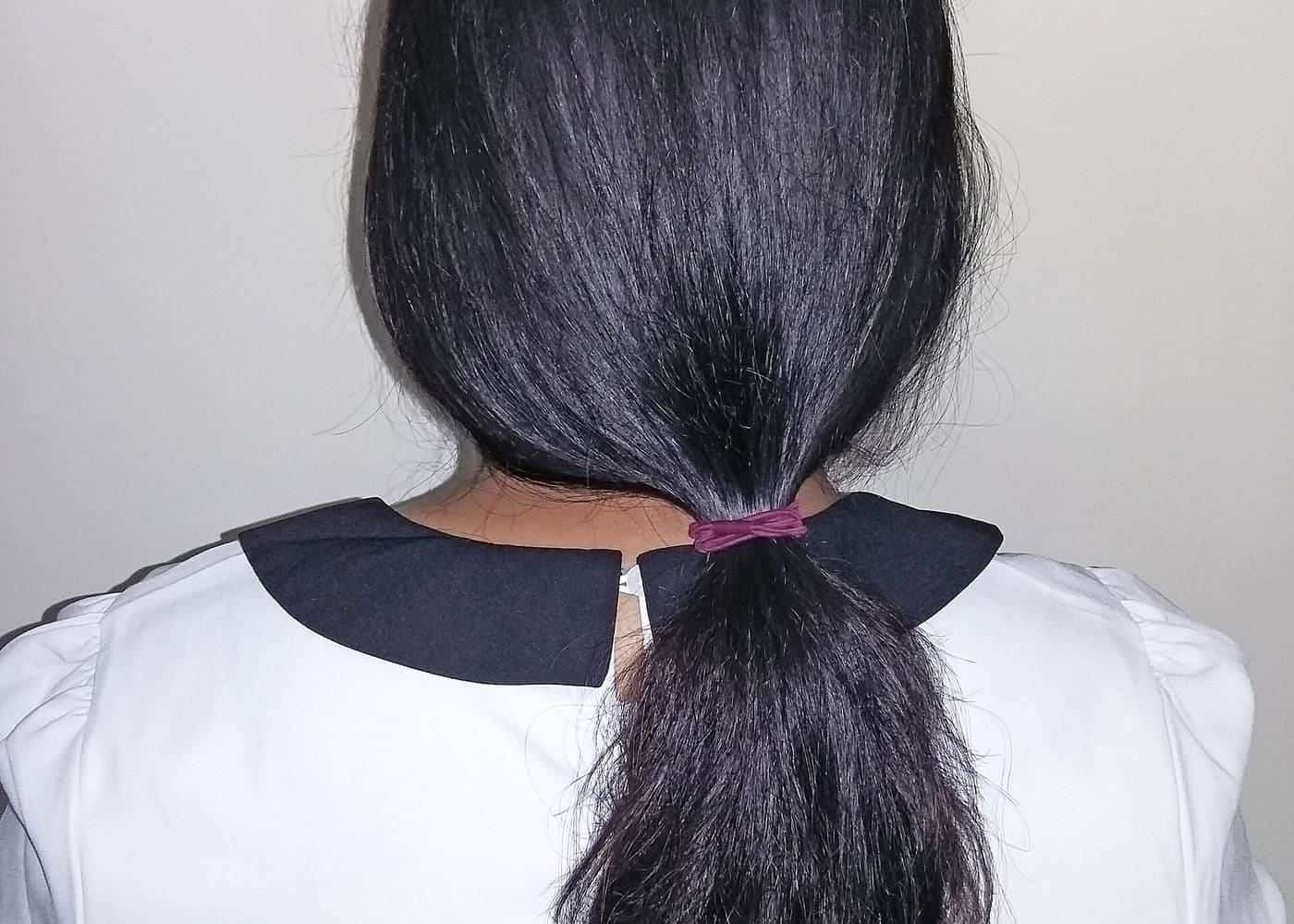
A sports hairstyle needs to stay in place, but it doesn't need to hurt. The American Academy of Dermatology lists tight ponytails and buns among hairstyles that can cause traction alopecia, particularly when worn often. If you exercise most days, a very tight sports ponytail adds up. Aim for a hold that stays secure when you shake your head, but doesn't sting or pull at your hairline.
Choosing a tie for sport
- Seamless elastic ties give a firm, neat hold and fit under caps and helmets.
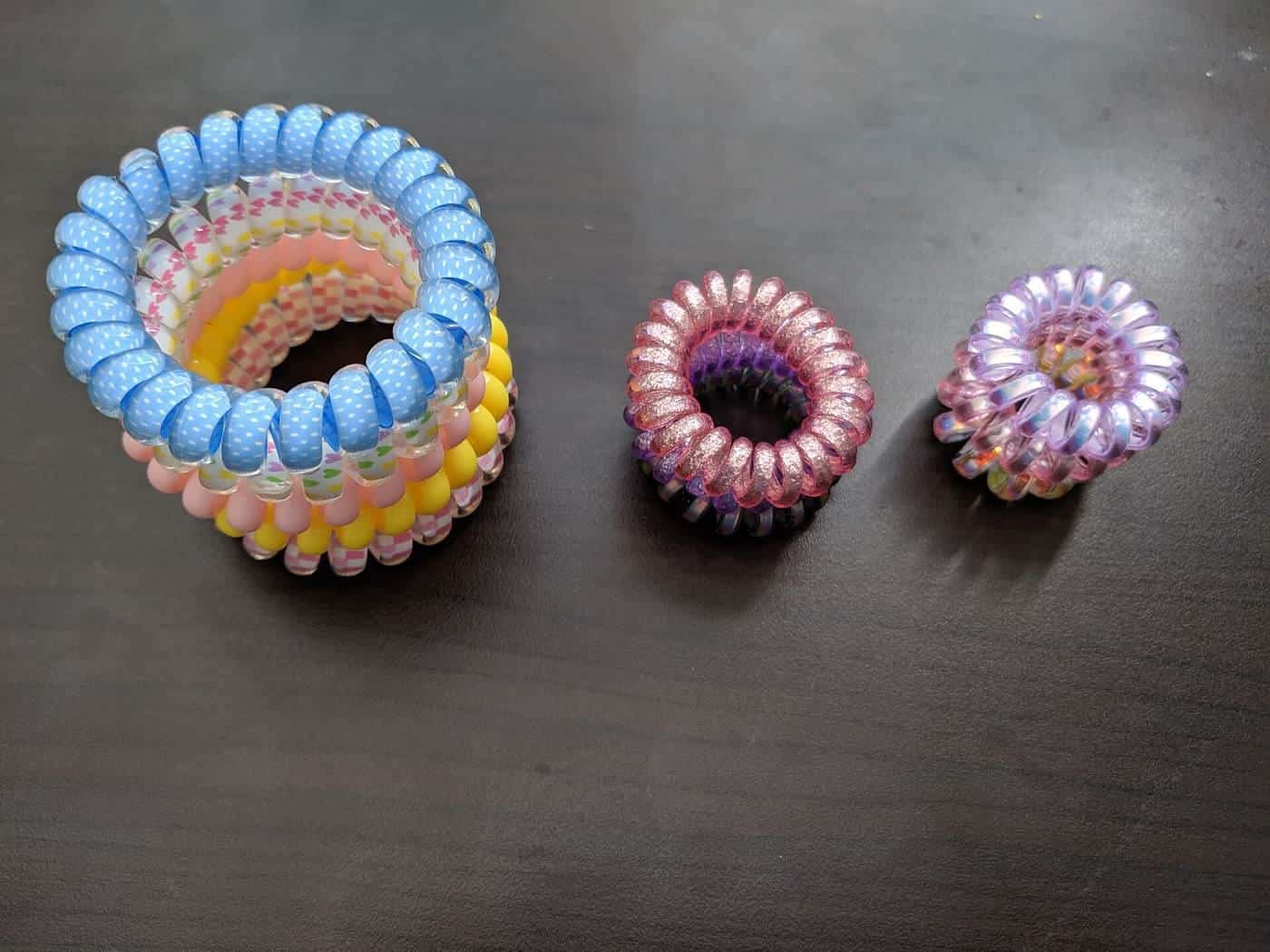
- Spiral ties grip well, don't absorb water and many people find them comfortable.
- Cotton or velvet scrunchies grip well for gym and running, and the fabric absorbs sweat. Choose one with strong elastic.
- Satin scrunchies can slide out during vigorous movement; better for yoga and walking than running.
- Headbands and sweatbands keep shorter hair and sweat off the face without tension.
Running and gym
For running, a mid-height ponytail or a low bun often sits more comfortably than a high ponytail that bounces. Braids are another option for long hair, secured at the end with a skinny scrunchie or tie. Wipe sweat away and loosen your hair after the workout so it isn't tied tight and damp for hours.
Team sports and school sport
Many sports have rules about jewellery and hair accessories for safety, such as no hard clips or beaded ties. Check your club or school rules. A plain, soft tie or scrunchie is usually acceptable. Children may not say a hairstyle hurts, so check with them, and give their hair a rest after sport.
Helmets and caps
Cycling, horse riding, skating and some team sports involve helmets. A high ponytail or bun can stop a helmet from sitting correctly. A low ponytail or braid at the nape usually fits under the helmet more comfortably, so the helmet can sit properly. Make sure accessories don't press into your head under the helmet.
Swimming
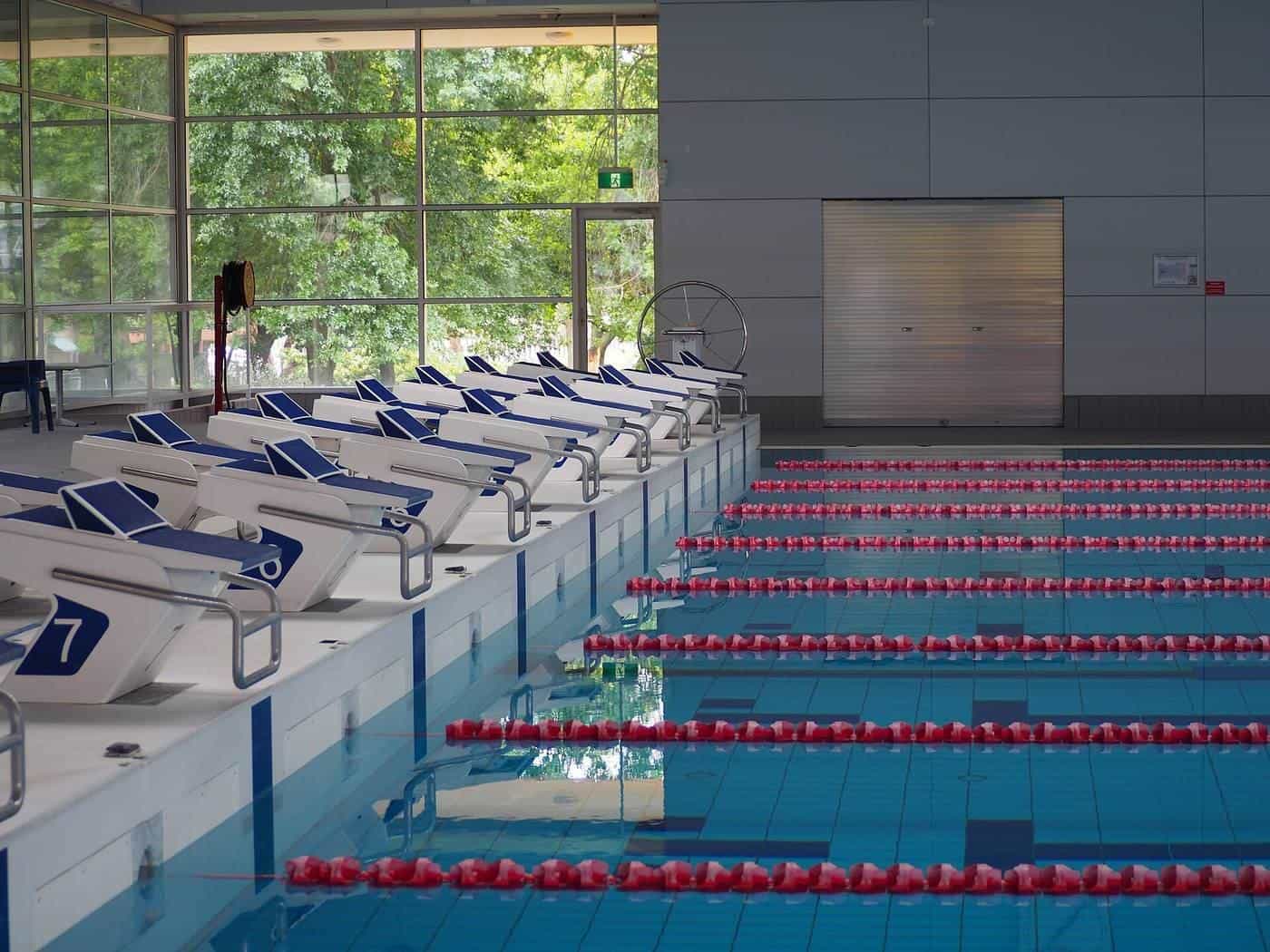
Pool water contains chlorine, and the ocean leaves salt and sand. Both can dry hair and weaken elastic over time. Common tips include:
- Wet your hair with fresh water before swimming, so it absorbs less pool water.
- Wear a swim cap if you swim regularly; choose one that isn't uncomfortably tight.
- Use a spiral tie or seamless tie that doesn't absorb water, rather than a fabric scrunchie that stays soggy.
- Rinse your hair with fresh water after swimming and wash or condition as needed.
Fabric scrunchies can be worn swimming, but they take longer to dry, may fade and the elastic can weaken faster. Many people keep a separate "swim tie" so their favourite scrunchies don't wear out.
After the session
Remove your tie gently, rinse it in fresh water if it's been in the pool or the sea, and let it dry fully before storing it. Damp scrunchies in a gym bag can become smelly and mouldy. Wash sports scrunchies regularly according to their care label; see our washing guide.
Sun
Outdoor exercise means sun exposure for your scalp along a parting and for exposed skin. A cap or hat helps protect your scalp, and sunlight can also fade and weaken fabric and elastic in scrunchies. Store spare ties out of direct sun.
When to replace a sports tie
Ties used for sport stretch faster. Replace them when they need extra wraps to hold or when the elastic shows through or loses its spring. A stretched tie encourages you to wrap it tighter.
Watch for signs
Pain, tenderness, bumps or thinning at the hairline where your ponytail pulls are signs to loosen up and vary your style. See a GP or dermatologist if changes continue. Our protecting hair from breakage guide explains the warning signs in more detail.
Yoga, pilates and stretching
Floor-based exercise means lying on your back, so a high bun or thick scrunchie at the back of your head can be uncomfortable. A low braid, a low ponytail to one side or a soft headband often works better. Smooth satin scrunchies are fine here because there's less vigorous movement to shake them loose.
Dance and performance
Dance often calls for very neat, tight buns. If you dance regularly, ask your teacher about comfortable ways to meet the style requirements, use pins and nets rather than extreme tension, and take your hair down as soon as class ends. Vary the bun's position slightly in practice when you can.
Use the scrunchie maker
Our free scrunchie maker suggests a starting fabric cut size and elastic length for skinny, classic, oversized and child-sized scrunchies, adjusted for light, medium or heavy fabric and for fine, medium or thick hair. It's a home-sewing starting point rather than a standard, so feel free to adjust. It runs entirely in your browser, and nothing you choose is sent anywhere.
Where our information comes from
Health statements in our guides are based on expert sources, including DermNet, the American Academy of Dermatology and the British Association of Dermatologists. Safety and care labelling information comes from ACCC Product Safety and the Federal Register of Legislation, and consumer rights information from the ACCC and Scamwatch. We link to each source at the end of the page, rewrite everything in our own words and show the date each guide was last checked.
A gentle scrunchie habit in one sentence
Choose a scrunchie that suits your hair, wear it loosely, move it around, give your hair days off, keep it clean and replace the elastic when it's tired. Almost everything else in this guide supports those simple habits.
Questions to ask before you buy
Before buying a scrunchie, ask yourself: what will I use it for, does the fabric suit my hair, is the elastic strong enough to hold without winding tight, are the seams neat, and can I wash it the way I like? Check product descriptions for fibre content and care instructions. Clear descriptions are a good sign of a seller who knows what they're selling.
Hair loss has many causes
Tight hairstyles are only one cause of hair loss. Genetics, hormonal changes, pregnancy, illness, some medicines, nutritional deficiencies, stress and scalp conditions can all play a part. If you notice unexplained thinning, patches or shedding, see your GP or a dermatologist rather than assuming your scrunchie is to blame. Early assessment helps.
Rotating your collection
Keeping a few scrunchies in rotation helps them last longer, because elastic recovers between wears and each one is washed less often. A practical set might include a smooth one for sleep, a grippy one for busy days, a water-friendly tie for swimming and a decorative one for going out.
Scrunchies and style
Scrunchies have moved in and out of fashion since the late 1980s, from bold oversized styles to discreet skinny ones and back again. Today they suit casual, work and evening looks, depending on the fabric. A plain classic scrunchie in a neutral colour is the most versatile, while velvet, prints and oversized puffs add personality.
Your rights when buying
The ACCC explains that consumer guarantees under the Australian Consumer Law apply to goods bought from Australian businesses, online or in store. Goods must be of acceptable quality and match their description. If a scrunchie falls apart quickly or isn't as described, contact the seller. Change of mind is different: a business doesn't have to refund unless its policy says it will.
Key points
- A sports hold should be firm but never painful.
- Low ponytails and braids fit better under helmets than high styles.
- Use water-friendly ties for swimming and rinse them afterwards.
- Dry ties fully before storing and replace stretched ones.
Frequently asked questions
What hair tie stays in during exercise?
Seamless elastic and spiral ties often hold firmly. Velvet or cotton scrunchies with good elastic also work for many.
Does chlorine damage hair ties?
Chlorine and sun can weaken elastic and fade fabric. Rinse ties after swimming and let them dry.
Should I wear a swim cap?
Caps help keep hair tidy and can reduce contact with pool water. Choose one that isn't too tight.
Is it okay to tie hair tightly for sport?
A firm hold is fine, but it shouldn't hurt. Loosen your hair after exercise.
Sources and further reading
Facts on this page were checked against these primary and official sources. Conditions change — confirm before you travel or buy.
- Hairstyles that can lead to hair loss — American Academy of Dermatology
- Traction alopecia — DermNet
- Care labelling for clothing and textiles mandatory standard — ACCC Product Safety