Walk past any hair-accessory display and you'll see "silk" and "satin" scrunchies side by side, often in the same soft colours. The words are used as if they mean the same thing, but they describe different things. Silk is a fibre. Satin is a way of weaving yarn so that one side of the fabric is smooth and glossy. A satin scrunchie can be made of silk, but it is more often made of polyester. Knowing the difference helps you choose, care for and get the most out of a smooth scrunchie.
This guide is general information written in our own words. We don't recommend particular shops, brands or products, and we never quote prices. It isn't medical advice: if you're worried about your hair or scalp, see your GP or a dermatologist.
What silk is
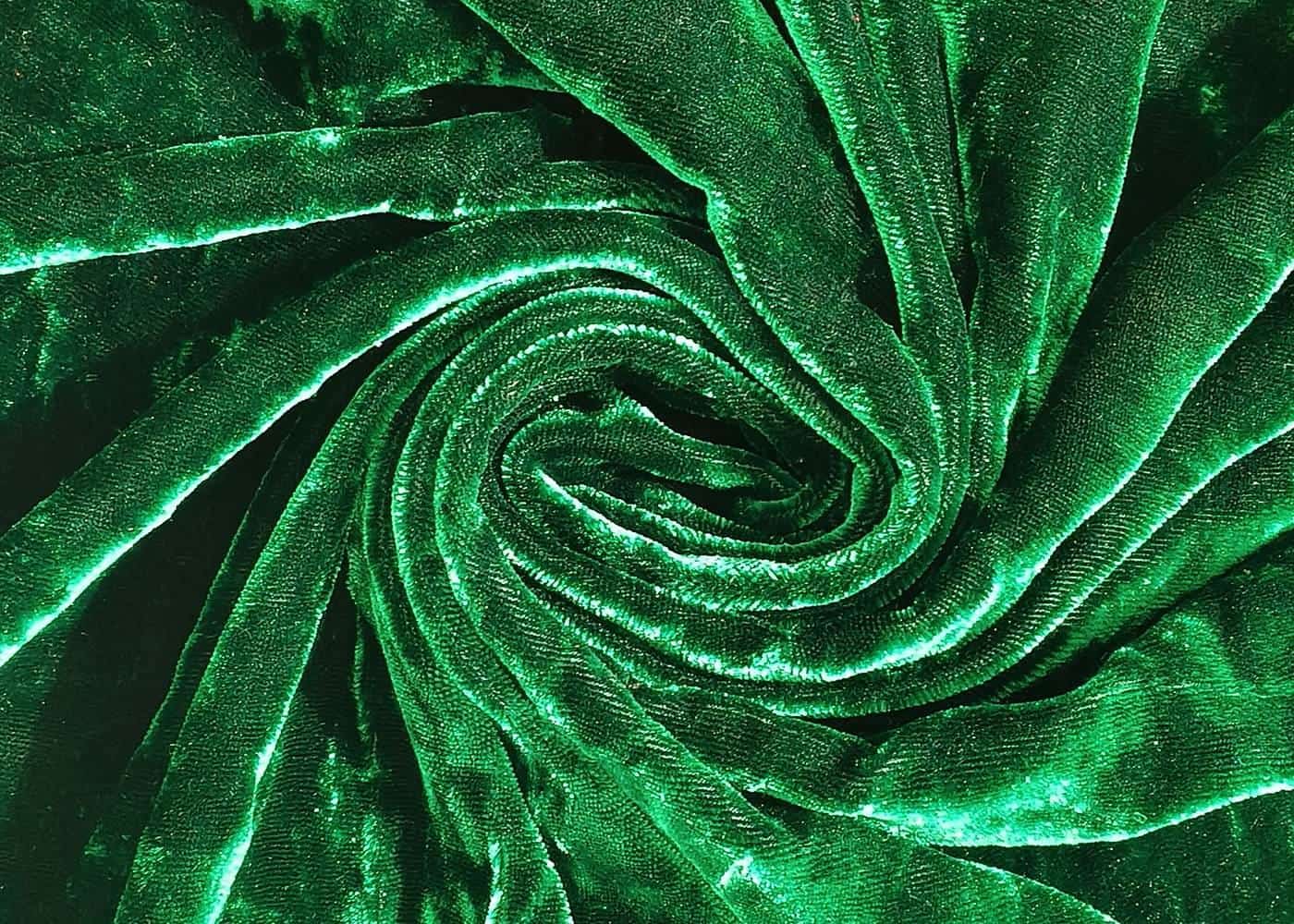
Silk is a natural protein fibre made by silkworms as they spin their cocoons. Cultivated silk, often called mulberry silk because the silkworms are fed mulberry leaves, produces long, fine filaments that can be woven into very smooth fabrics. Silk scrunchies are usually made from charmeuse (a silk satin) or habotai (a lighter, plain-woven silk). Silk feels cool and slippery, takes dye beautifully and is fairly strong when dry, though it is more delicate when wet and can be weakened by sunlight, perspiration and harsh detergents.
Silk fabric weight is often described in momme (mm), a traditional unit. A higher momme means a heavier, more opaque fabric. You don't need to know the exact figure to choose a scrunchie, but it explains why some silk scrunchies look plump and others look flat and light.
What satin is
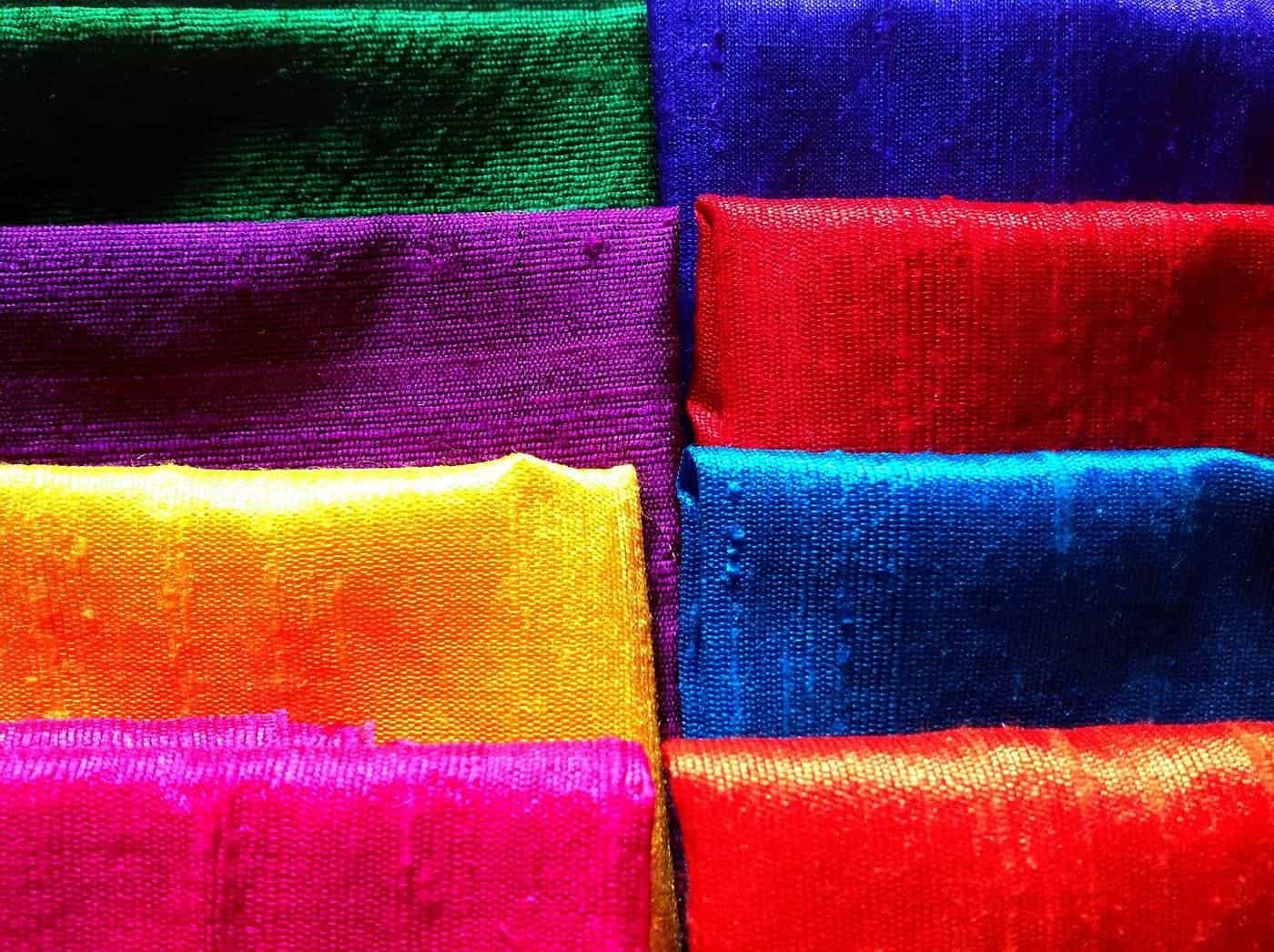
Satin is a weave rather than a fibre. In a satin weave, the yarns "float" over several others before tucking under, which leaves long, smooth stretches of yarn on the surface. That is what gives satin its shine. The back is usually duller. Satin can be woven from silk, polyester, acetate, nylon or blends. Polyester satin is the most common in budget scrunchies: it looks glossy, holds bright colours and is usually easy to wash.
Why smooth fabrics are popular for hair
The appeal of silk and satin is that they're smooth. A smooth fabric slides over hair rather than catching on it, so there's less friction when you put the scrunchie on, wear it and take it out. Many people with fine, curly or easily tangled hair find this gentler than a bare elastic band, and the soft gathers spread the hold over a larger area.
That said, a smooth scrunchie is not a cure-all. Dermatology organisations, including the American Academy of Dermatology and DermNet, explain that hair loss from styling (called traction alopecia) comes from pulling the hair tight for long periods. A silk scrunchie wrapped four times round a very tight ponytail still pulls on the hair at the root. The fabric helps; the tension matters more. Our guide to protecting hair from breakage explains the habits that make the biggest difference.
How to tell silk from polyester satin
Product descriptions are the first clue. Look for the fibre content: "100% silk" or "100% mulberry silk" is different from "satin", "silky" or "silk-feel". In Australia, clothing and textile products covered by the care labelling standard must carry care instructions, and fibre content is commonly shown alongside them, though small accessories don't always carry a label. If a description only says "satin", assume it is a synthetic unless told otherwise.
In the hand, real silk tends to warm to your touch and feel slightly less slippery and plastic than polyester satin. Silk also has a softer sheen, while polyester satin can look very bright and uniform. These tests aren't foolproof. If you care about the fibre, buy from sellers who state it clearly and can answer questions.
Silk compared with satin at a glance
| Silk | Polyester satin | |
|---|---|---|
| What it is | Natural protein fibre | Synthetic fibre in a satin weave |
| Feel | Smooth, soft, warms to the touch | Smooth, glossy, can feel slippery |
| Breathability | Good | Lower |
| Care | Usually hand wash, cool water, gentle detergent | Often machine washable on gentle |
| Durability | Delicate when wet; fades in strong sun | Strong and colourfast |
Who might choose which
Silk suits people who like natural fibres and don't mind hand washing. It's a popular choice for sleeping and for fine or curly hair. Polyester satin suits people who want a smooth finish, bright colours and easy care, and who may lose scrunchies regularly. Both are smoother than many cotton or knit scrunchies, so either can be a reasonable choice if smoothness is your main aim.
Holding power
Smooth fabrics can slide out of very fine or silky hair more easily than textured fabrics such as velvet or cotton. If your scrunchie keeps slipping, try a slightly firmer elastic, a skinnier style that you can wrap one extra time without pulling, or a velvet scrunchie for that day. Avoid winding it so tight that it pulls at your scalp; a slightly looser hold with a few bobby pins is kinder to your hair.
Caring for silk and satin scrunchies
Always follow the care label if there is one. As a general approach for silk, hand wash in cool water with a gentle detergent, rinse well, press out water in a towel rather than wringing, and dry flat in the shade. Polyester satin is usually more forgiving and can often go in a mesh laundry bag on a gentle cycle. Avoid high heat, which can damage the elastic inside any scrunchie. Our washing and caring guide explains care symbols and how to revive a tired scrunchie.
Colour and sun
Silk can fade with long exposure to strong sunlight. Dry silk scrunchies in the shade, and don't leave them on a sunny windowsill or car dashboard. Bright polyester satin is usually more colourfast, but any fabric can fade eventually in Australian sun.
Making your own
Silk and satin are slippery to sew, but a scrunchie is one of the easiest ways to practise. Use a fine needle, plenty of pins or clips in the seam allowance and a slightly longer strip to allow for the fuller gathers light fabrics create. Our free scrunchie maker suggests a cut size for light fabrics, and our step-by-step guide shows how to make a scrunchie.
Silk and satin for sleep
Many people keep a smooth scrunchie just for bedtime. Because you move around in your sleep, a fabric that slides rather than grips helps reduce the tugging and kinks that come from lying on a tie. Wear it loosely, low at the nape or in a loose bun on top of your head, and pair it with a smooth pillowcase if you like. Our sleeping guide explains gentle overnight styles.
Use the scrunchie maker
Our free scrunchie maker suggests a starting fabric cut size and elastic length for skinny, classic, oversized and child-sized scrunchies, adjusted for light, medium or heavy fabric and for fine, medium or thick hair. It's a home-sewing starting point rather than a standard, so feel free to adjust. It runs entirely in your browser, and nothing you choose is sent anywhere.
Where our information comes from
Health statements in our guides are based on expert sources, including DermNet, the American Academy of Dermatology and the British Association of Dermatologists. Safety and care labelling information comes from ACCC Product Safety and the Federal Register of Legislation, and consumer rights information from the ACCC and Scamwatch. We link to each source at the end of the page, rewrite everything in our own words and show the date each guide was last checked.
Key points
- Silk is a natural fibre; satin is a glossy weave that can be made from silk or synthetics.
- Smooth fabrics reduce friction, but tension matters more than fabric for hair health.
- Check fibre content: "satin" and "silky" usually mean polyester.
- Hand wash silk in cool water and dry it in the shade.
Frequently asked questions
Is satin the same as silk?
No. Silk is a natural fibre made by silkworms. Satin is a weave that gives a glossy face, and it can be made from silk, polyester or other fibres.
Are silk scrunchies better for hair?
Smooth fabrics create less friction than rough ones, which many people find gentler. How tightly you tie your hair matters more than the fabric.
Can I machine wash a silk scrunchie?
Follow the care label. Many silk items are best hand washed in cool water with a gentle detergent.
What is mulberry silk?
Silk from silkworms raised on mulberry leaves. It is a common type of cultivated silk.
Sources and further reading
Facts on this page were checked against these primary and official sources. Conditions change — confirm before you travel or buy.
- Traction alopecia — DermNet
- Hairstyles that can lead to hair loss — American Academy of Dermatology
- Care labelling for clothing and textiles mandatory standard — ACCC Product Safety
- Consumer Goods (Care Labelling) Information Standard 2023 — Federal Register of Legislation