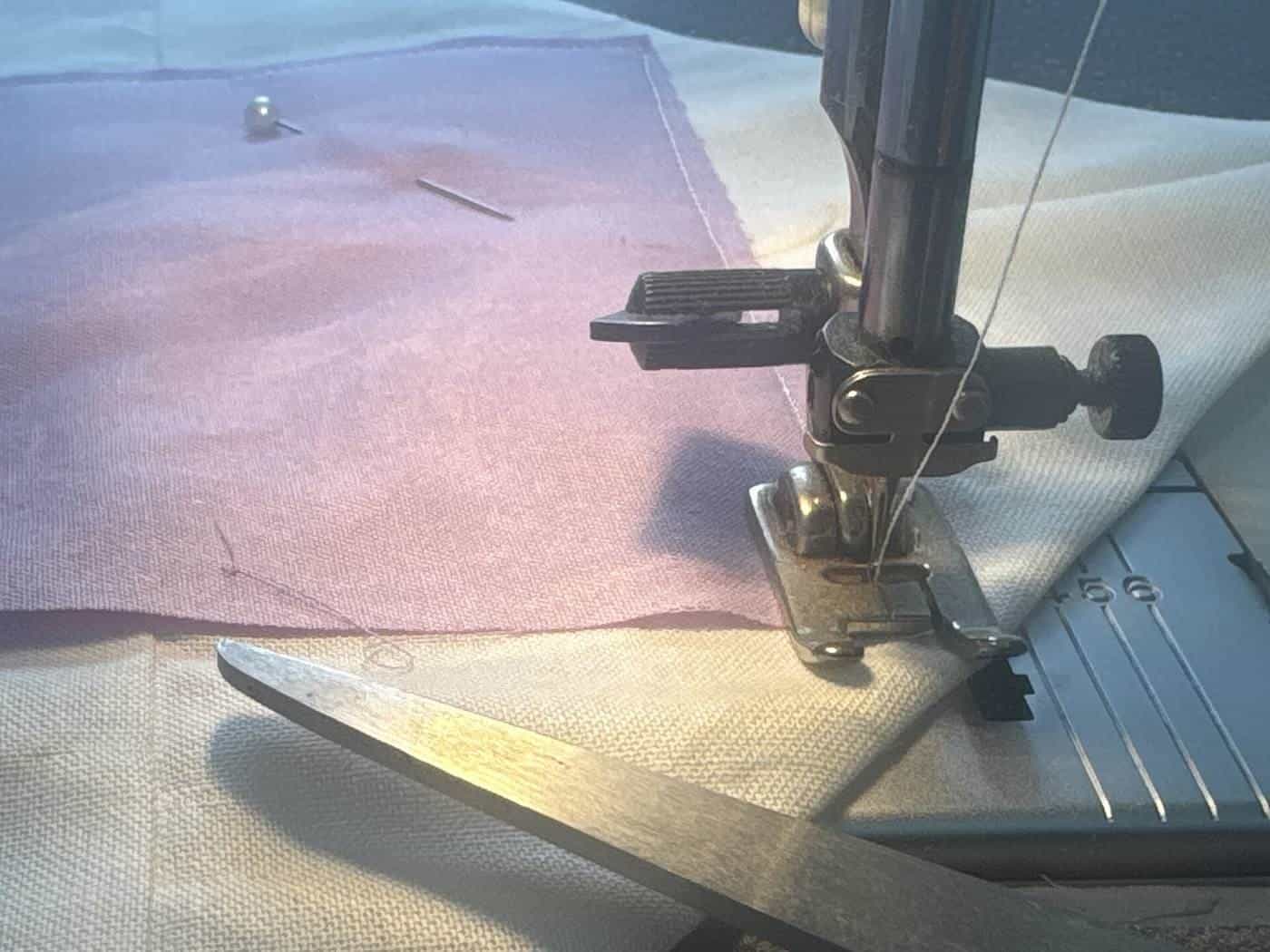
Scrunchies are one of the few accessories almost anyone can make, mend and maintain at home. A strip of fabric, a short length of elastic and an hour is all it takes to sew one, and a few minutes to replace tired elastic. These guides explain how to make scrunchies, wash and store them, keep young children safe around hair accessories and choose habits that waste less.
The guides in this section
- How to make a scrunchie Fabric, elastic, starting sizes and step-by-step instructions by machine or hand.
- Washing and caring for scrunchies Care symbols, washing by fabric, drying and storage.
- Kids hair accessories safety Choking and strangulation risks, cots and gentle styles.
- Sustainable scrunchies Buying less, sewing from offcuts, mending and end of life.
Making your own
Medium-weight woven cotton is the easiest fabric to start with. Fold a strip in half lengthways, sew the long edge, turn it right side out, thread narrow elastic through, join the elastic with an overlap and close the opening. Light fabrics like silk gather more and can take a slightly longer strip; heavy fabrics like velvet bunch quickly and need a shorter one. Our scrunchie maker suggests a starting size for your style, fabric and hair.
Starting sizes
| Style | Fabric strip | Elastic |
|---|---|---|
| Skinny | about 45 × 7 cm | about 18–20 cm |
| Classic | about 50 × 10 cm | about 18–23 cm |
| Oversized | about 70 × 16 cm | about 20–23 cm |
| Child size | about 40 × 8 cm | about 15–20 cm |
These are common home-sewing starting points, not a standard.
Care labels
ACCC Product Safety explains that clothing and textile products covered by Australia's mandatory care labelling standard must carry care instructions, in words, the international care symbols or both. The five symbols cover washing, bleaching, drying, ironing and professional cleaning, and a cross means "don't". Small accessories don't always carry a label; when in doubt, wash gently in cool water and air dry.
Washing basics
Hand wash silk and velvet in cool water with a gentle detergent, press water out in a towel and dry in the shade. Cotton, linen and polyester scrunchies can often go in a mesh bag on a gentle cycle. Avoid high heat in the dryer, which weakens elastic. Make sure scrunchies are fully dry before storing them.
Safety around young children
ACCC Product Safety explains that small parts are a choking hazard for children up to 36 months, and the mandatory toy standard defines a small part using a test cylinder 31 mm wide and 57 mm long. Its kids toys guide also warns that cords and elastic longer than 22 cm can be a strangulation risk. Hair accessories aren't toys, but the same risks apply: keep tiny elastics and decorated clips away from babies and toddlers, check for loose beads and don't leave scrunchies in cots.
Wasting less
The most sustainable scrunchie is the one you already own. Gather the strays, replace elastic when it stretches, mend loose seams and sew new scrunchies from offcuts or old clothes. When a scrunchie can't be saved, reuse the fabric and check local textile recycling options.
Sewing safely
Keep pins, needles, safety pins and scissors out of reach of young children while you sew, and supervise older children using irons and machines. A magnetic pin dish helps you keep track of pins.
Storing your collection
Store scrunchies dry and out of direct sun, which fades fabric and weakens elastic. A jar or hook by the mirror keeps everyday ones handy, and a small pouch keeps sports and swim ties separate so damp ones don't share space with clean ones. Don't squash velvet scrunchies under heavier items, or the pile will flatten. Keep tiny hair ties in a lidded container if there are babies or toddlers in the house.
Gifts and projects
Handmade scrunchies make thoughtful gifts and fun group projects for sewing circles, schools and fundraisers. Matching sets cut from one meaningful garment, such as an old dress, are especially popular.
Five habits for happy hair and scrunchies
- Wear it loosely. A hairstyle should never hurt.
- Move it around. Change where your ponytail or bun sits from day to day.
- Give your hair days off, with hair down or loose.
- Keep scrunchies clean and follow the care label.
- Replace tired elastic instead of winding a scrunchie tighter.
About these guides
Scrunchies is an independent information site about choosing, wearing, making and caring for scrunchies in Australia. We aren't a shop, brand, manufacturer or retailer, and we don't recommend particular businesses. Our guides are general information written in our own words, with expert and official sources listed on every page. They aren't medical advice: if you're worried about your hair or scalp, see your GP or a dermatologist.
How we keep these guides current
We review each guide against its sources and show the date it was last checked. Health guidance and product safety rules change from time to time. If you notice something out of date, please tell us through our contact page, and we'll check and correct it.
Use the scrunchie maker
Our free scrunchie maker suggests a fabric cut size and elastic length for skinny, classic, oversized and child-sized scrunchies, adjusted for fabric weight and hair type. It runs entirely in your browser, and nothing you choose is sent anywhere.
Guides in this section
Make & care
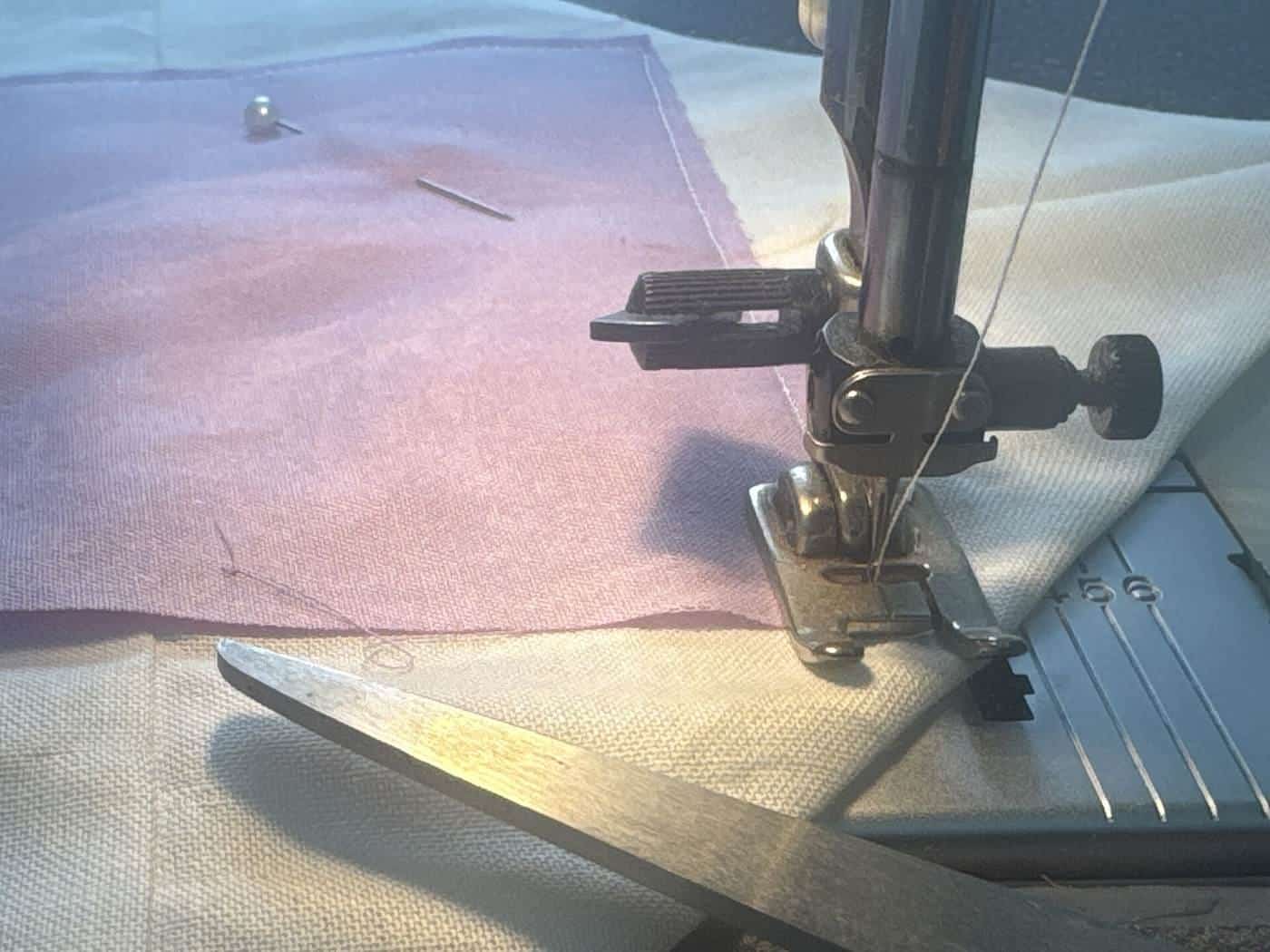
How to make a scrunchie
Sew your own scrunchie by machine or by hand: fabric, elastic, cut sizes, step-by-step instructions, no-sew options and replacing elastic.
Read · 6 min
Make & care
Washing and caring for scrunchies
How to wash and care for scrunchies: reading care symbols, hand and machine washing by fabric, drying, storing and reviving tired scrunchies.
Read · 6 min
Make & care
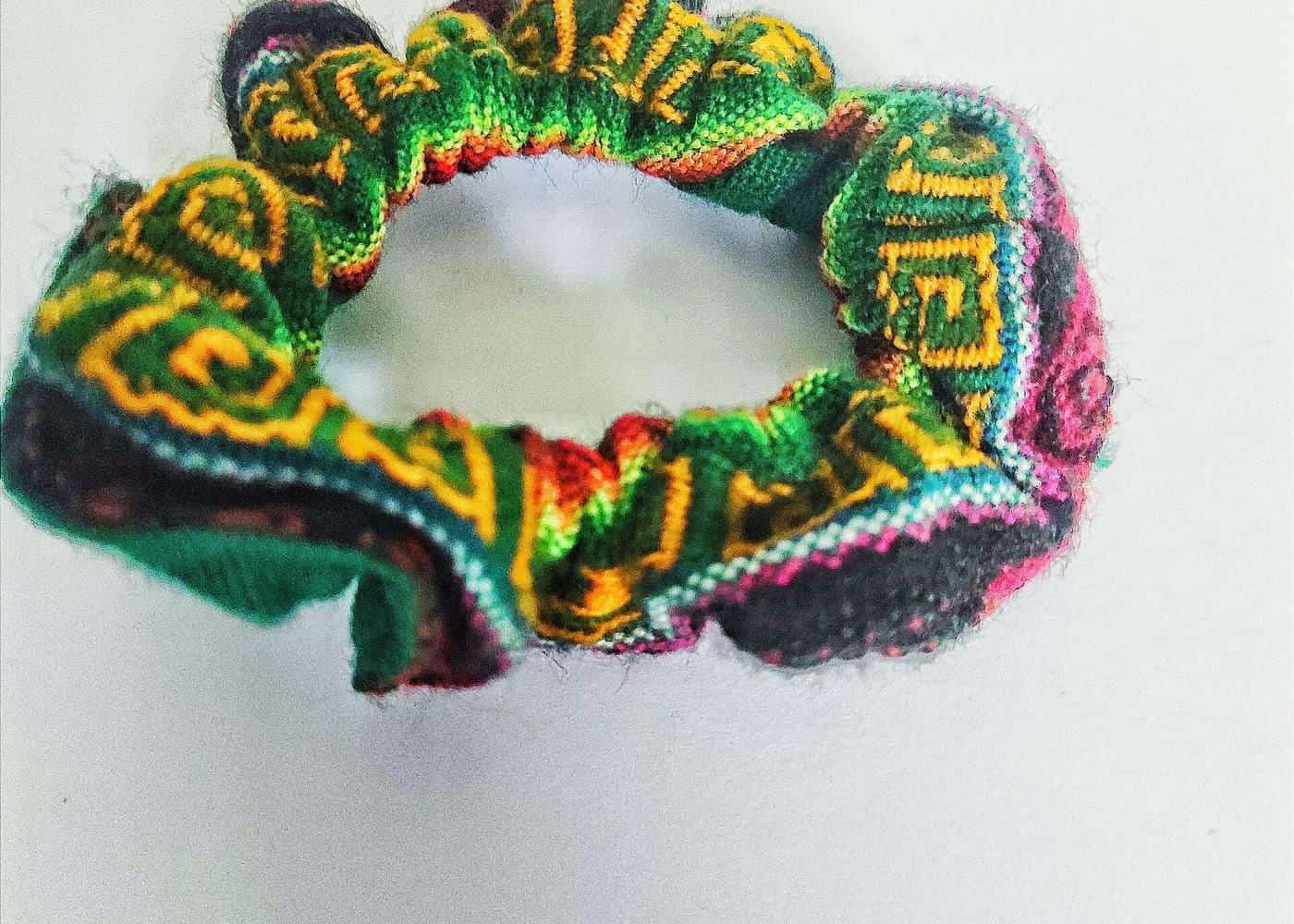
Kids hair accessories safety
Safety tips for children's scrunchies and hair accessories: choking risks, small parts, cords and elastic, cots and gentle styling for kids.
Read · 6 min
Make & care
Sustainable scrunchies
How to make scrunchie habits more sustainable: buying less, choosing durable fibres, sewing from offcuts, replacing elastic and recycling fabric.
Read · 6 min
Frequently asked questions
Is it hard to make a scrunchie?
No. It's a classic beginner project that takes less than an hour by machine or by hand.
How do I wash a scrunchie?
Follow the care label. Hand wash silk and velvet; cotton and polyester can often go in a mesh bag on a gentle cycle.
Are scrunchies safe for toddlers?
Supervise closely. Small accessories and detachable parts are choking hazards for children under three.
Can I fix a stretched scrunchie?
Yes. Unpick a few stitches, replace the elastic and sew it closed.
Sources and further reading
Facts on this page were checked against these primary and official sources. Conditions change — confirm before you travel or buy.
- Care labelling for clothing and textiles mandatory standard — ACCC Product Safety
- Toys for children up to and including 36 months of age mandatory standard — ACCC Product Safety
- Kids toys guide — ACCC Product Safety