A scrunchie is a small thing, but small things are bought, lost and replaced often. Packs of cheap hair ties, scrunchies that fall apart after a few washes and accessories bought on impulse all add to waste. The good news is that scrunchies are one of the easiest items to make from scraps, mend and keep using. This guide explains how to choose, make and care for scrunchies more sustainably.
This guide is general information written in our own words. We don't recommend particular shops, brands or products, and we never quote prices. It isn't medical advice: if you're worried about your hair or scalp, see your GP or a dermatologist.
Buy fewer, better scrunchies
The most sustainable scrunchie is often the one you already own. Before buying more, gather the ones scattered around your house, car and bags. When you do buy, choose scrunchies with well-sewn seams, securely joined elastic and fabric you'll enjoy wearing for years. A small, well-made collection in versatile colours is easier to look after than a drawer full of cheap ones.
Choosing fibres
Every fibre has trade-offs. Natural fibres such as cotton, linen and silk are renewable and can biodegrade, but their production uses land, water and energy. Synthetics such as polyester are made from fossil fuels and shed microfibres when washed, but they're durable and colourfast. Recycled polyester reuses existing material. For most people, durability and how long you keep the scrunchie matter more than the fibre itself.
Make your own from offcuts
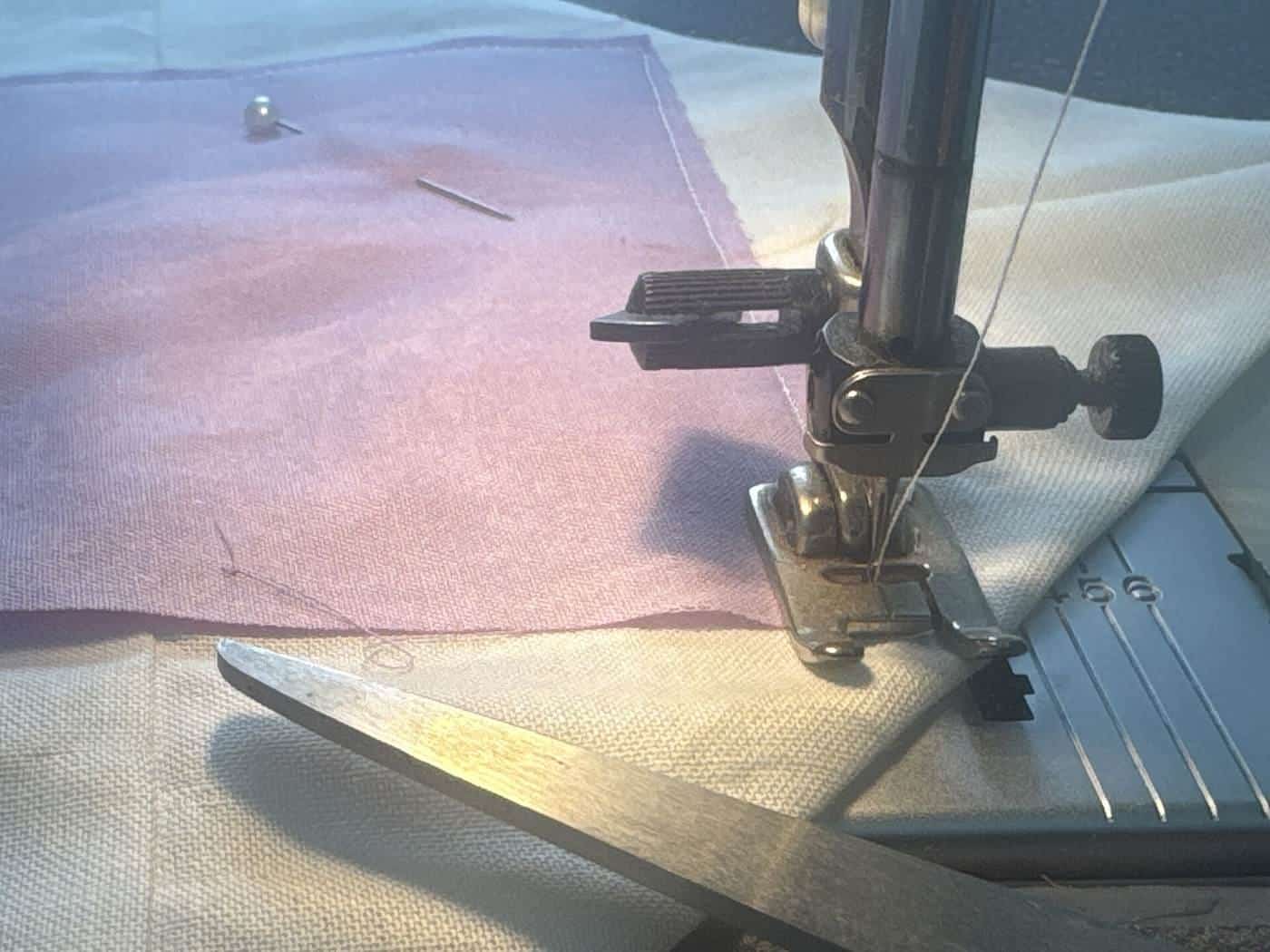
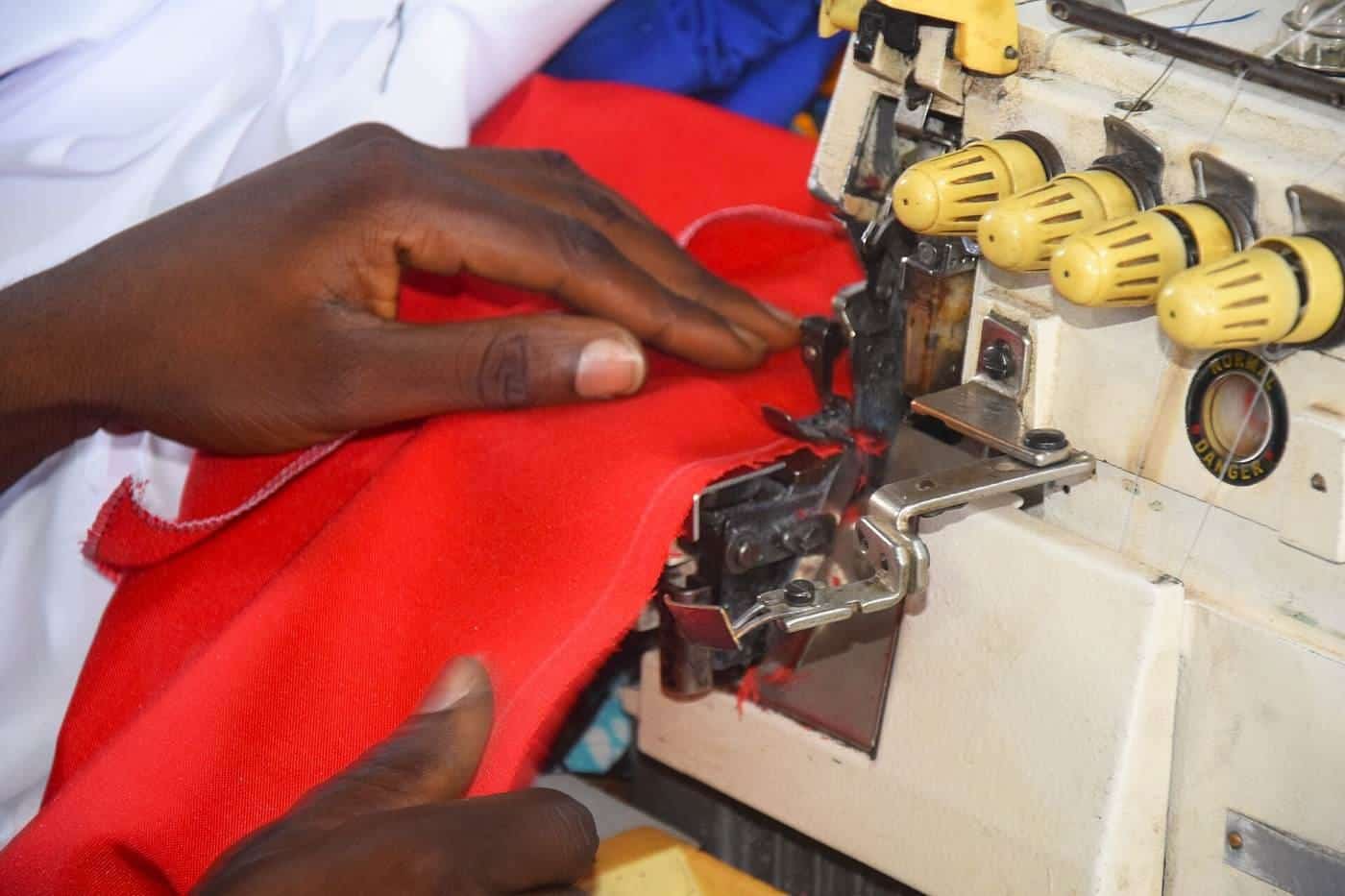
Scrunchies are perfect for using up fabric. A classic scrunchie uses a strip around 50 cm long and 10 cm wide, and strips can be joined, so even small offcuts work. Good sources include:
- Leftover fabric from other sewing projects.
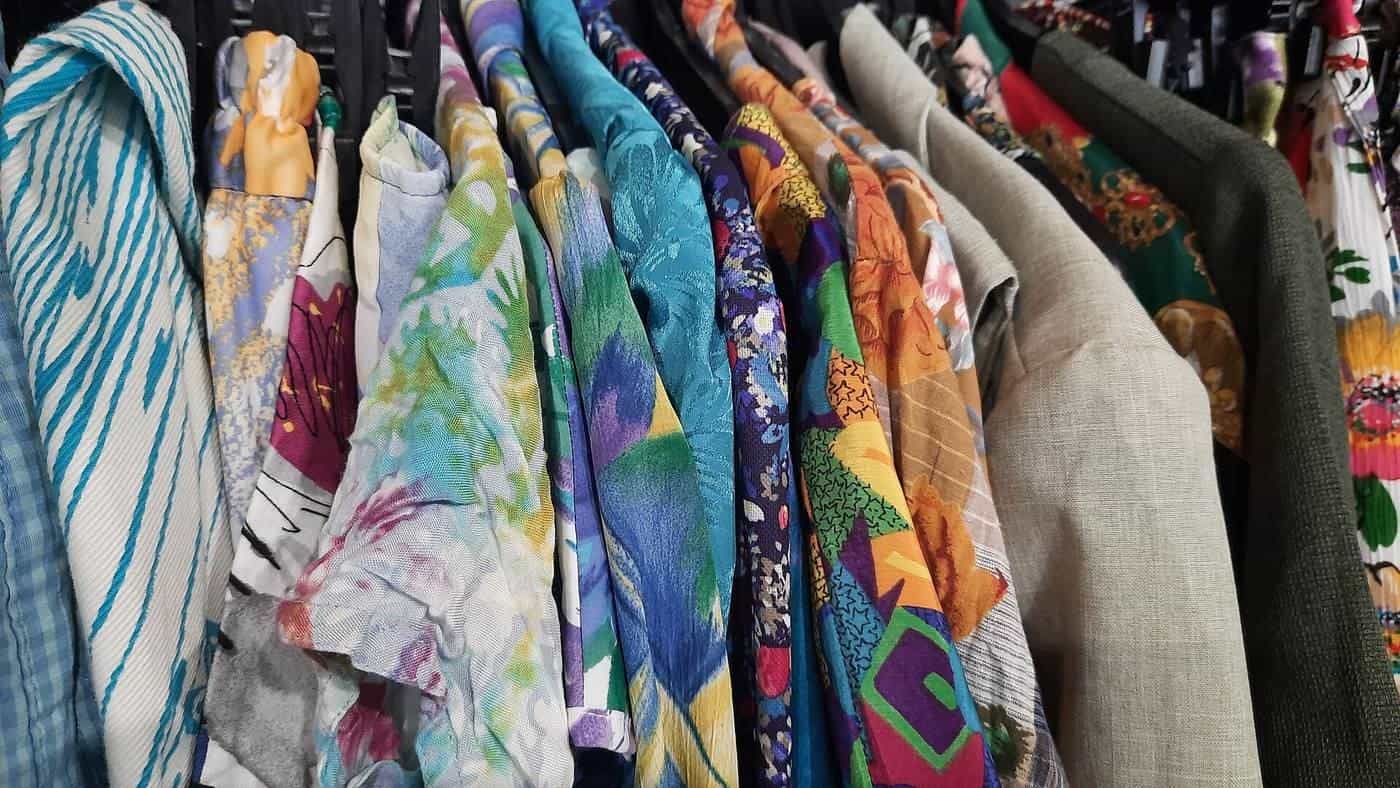
- Old shirts, dresses, skirts and pyjamas.
- Silk scarves with small marks or holes.
- Second-hand fabric from op shops and community swaps.
Our guide to making a scrunchie shows how, and our scrunchie maker suggests cut sizes.
Shopping second-hand
Op shops often sell scrunchies, scarves and clothing that can be turned into scrunchies. Check second-hand scrunchies for stretched elastic and wash them before wearing. Second-hand fabric is great for practising sewing because mistakes cost little.
Making scrunchies last
- Wash only when needed, in cool water and a mesh bag, and air dry.
- Keep scrunchies out of strong sun to slow fading and elastic breakdown.
- Rinse after swimming to remove chlorine and salt.
- Store sports and swim scrunchies separately so they dry properly.
- Replace elastic when it stretches out, instead of discarding the whole scrunchie.
Our washing and caring guide covers fabric care in detail.
Mending
A loose seam can be closed with a few hand stitches. Snapped elastic can be replaced in minutes. A faded scrunchie could be refreshed with fabric dye, if the fibre and care label allow it. Mending is quick, cheap and keeps a favourite accessory going.
End of life
When a scrunchie truly can't be saved, separate the fabric from the elastic. Cotton and linen scraps can be cut into small cleaning cloths or used as stuffing for cushions and toys. Some councils and charities run textile recycling programs; check what's available locally. Most elastic contains synthetic rubber, so it usually belongs in general waste unless your local program accepts it.
Packaging and shipping
Small accessories ordered online can come with a lot of packaging. Combining purchases, choosing local makers and buying in person cut down on shipping waste. Be wary of claims such as "eco-friendly" or "biodegradable" without details: the ACCC has warned businesses that environmental claims must be accurate and able to be backed up.
Shopping safely and fairly
If buying from small online makers, check that the seller has contact details and clear policies. Scamwatch warns about fake online stores with prices that seem too good to be true. If a product is faulty or isn't as described, the ACCC explains that consumer guarantees give you rights to a repair, replacement or refund.
Gifts and swaps
Handmade scrunchies make thoughtful, low-waste gifts, especially when sewn from fabric with a story, like an old dress or a favourite shirt. Scrunchie-making also suits school fundraisers, sewing groups and clothing swaps.
Matching sets from one garment
A single old shirt or dress can make several scrunchies, which makes thoughtful matching sets for siblings, friends or a bridal party. Cut strips along the straight grain from the largest flat areas, such as the back panel, and join shorter pieces end to end. Save the buttons and trims for other projects.
Teaching kids to sew
Scrunchies are a great first sewing project for older children, with an adult supervising the iron, scissors and machine. They learn to measure, cut, pin and sew in one short session, and end up with something they'll actually use. Keep small items such as pins and safety pins away from younger siblings.
Use the scrunchie maker
Our free scrunchie maker suggests a starting fabric cut size and elastic length for skinny, classic, oversized and child-sized scrunchies, adjusted for light, medium or heavy fabric and for fine, medium or thick hair. It's a home-sewing starting point rather than a standard, so feel free to adjust. It runs entirely in your browser, and nothing you choose is sent anywhere.
Where our information comes from
Health statements in our guides are based on expert sources, including DermNet, the American Academy of Dermatology and the British Association of Dermatologists. Safety and care labelling information comes from ACCC Product Safety and the Federal Register of Legislation, and consumer rights information from the ACCC and Scamwatch. We link to each source at the end of the page, rewrite everything in our own words and show the date each guide was last checked.
A gentle scrunchie habit in one sentence
Choose a scrunchie that suits your hair, wear it loosely, move it around, give your hair days off, keep it clean and replace the elastic when it's tired. Almost everything else in this guide supports those simple habits.
Questions to ask before you buy
Before buying a scrunchie, ask yourself: what will I use it for, does the fabric suit my hair, is the elastic strong enough to hold without winding tight, are the seams neat, and can I wash it the way I like? Check product descriptions for fibre content and care instructions. Clear descriptions are a good sign of a seller who knows what they're selling.
Hair loss has many causes
Tight hairstyles are only one cause of hair loss. Genetics, hormonal changes, pregnancy, illness, some medicines, nutritional deficiencies, stress and scalp conditions can all play a part. If you notice unexplained thinning, patches or shedding, see your GP or a dermatologist rather than assuming your scrunchie is to blame. Early assessment helps.
Rotating your collection
Keeping a few scrunchies in rotation helps them last longer, because elastic recovers between wears and each one is washed less often. A practical set might include a smooth one for sleep, a grippy one for busy days, a water-friendly tie for swimming and a decorative one for going out.
Scrunchies and style
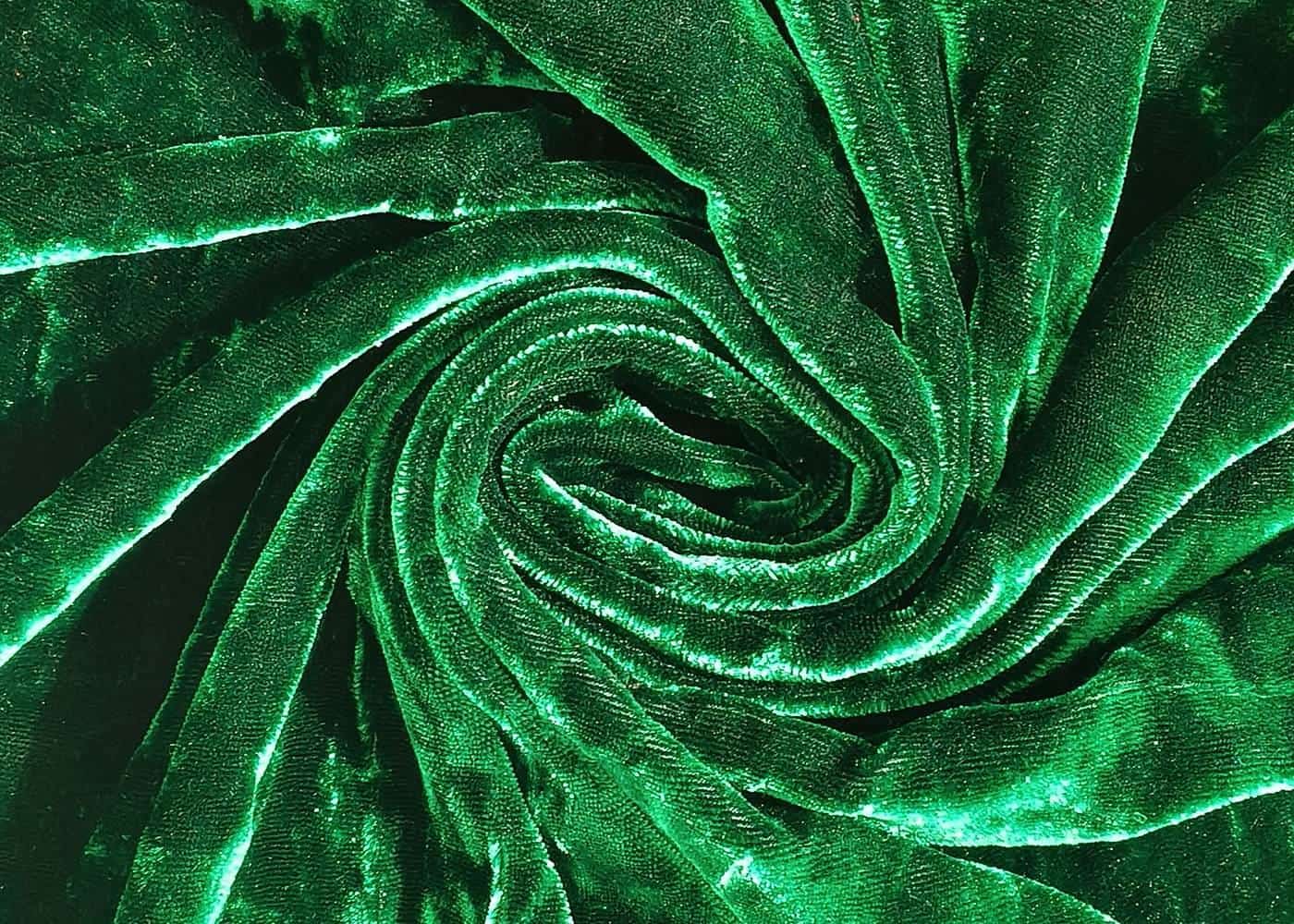
Scrunchies have moved in and out of fashion since the late 1980s, from bold oversized styles to discreet skinny ones and back again. Today they suit casual, work and evening looks, depending on the fabric. A plain classic scrunchie in a neutral colour is the most versatile, while velvet, prints and oversized puffs add personality.
Your rights when buying
The ACCC explains that consumer guarantees under the Australian Consumer Law apply to goods bought from Australian businesses, online or in store. Goods must be of acceptable quality and match their description. If a scrunchie falls apart quickly or isn't as described, contact the seller. Change of mind is different: a business doesn't have to refund unless its policy says it will.
Key points
- The most sustainable scrunchie is often the one you already own.
- Durability and how long you keep it matter more than the fibre.
- Old clothes and offcuts make excellent scrunchies.
- Replace elastic and mend seams before discarding.
Frequently asked questions
Are scrunchies more sustainable than hair ties?
A durable scrunchie that's mended and reused may last longer than many plain elastics. It depends on how they're made and used.
Can I make scrunchies from old clothes?
Yes. Old shirts, dresses and scarves often have enough fabric for several scrunchies.
Is elastic biodegradable?
Most elastic contains synthetic rubber or blends, so treat it as non-biodegradable unless described otherwise.
What should I do with worn-out scrunchies?
Reuse the fabric for patches or rags, and check local textile recycling options.
Sources and further reading
Facts on this page were checked against these primary and official sources. Conditions change — confirm before you travel or buy.
- Care labelling for clothing and textiles mandatory standard — ACCC Product Safety
- Repair, replace, refund, cancel — ACCC
- Scamwatch — National Anti-Scam Centre