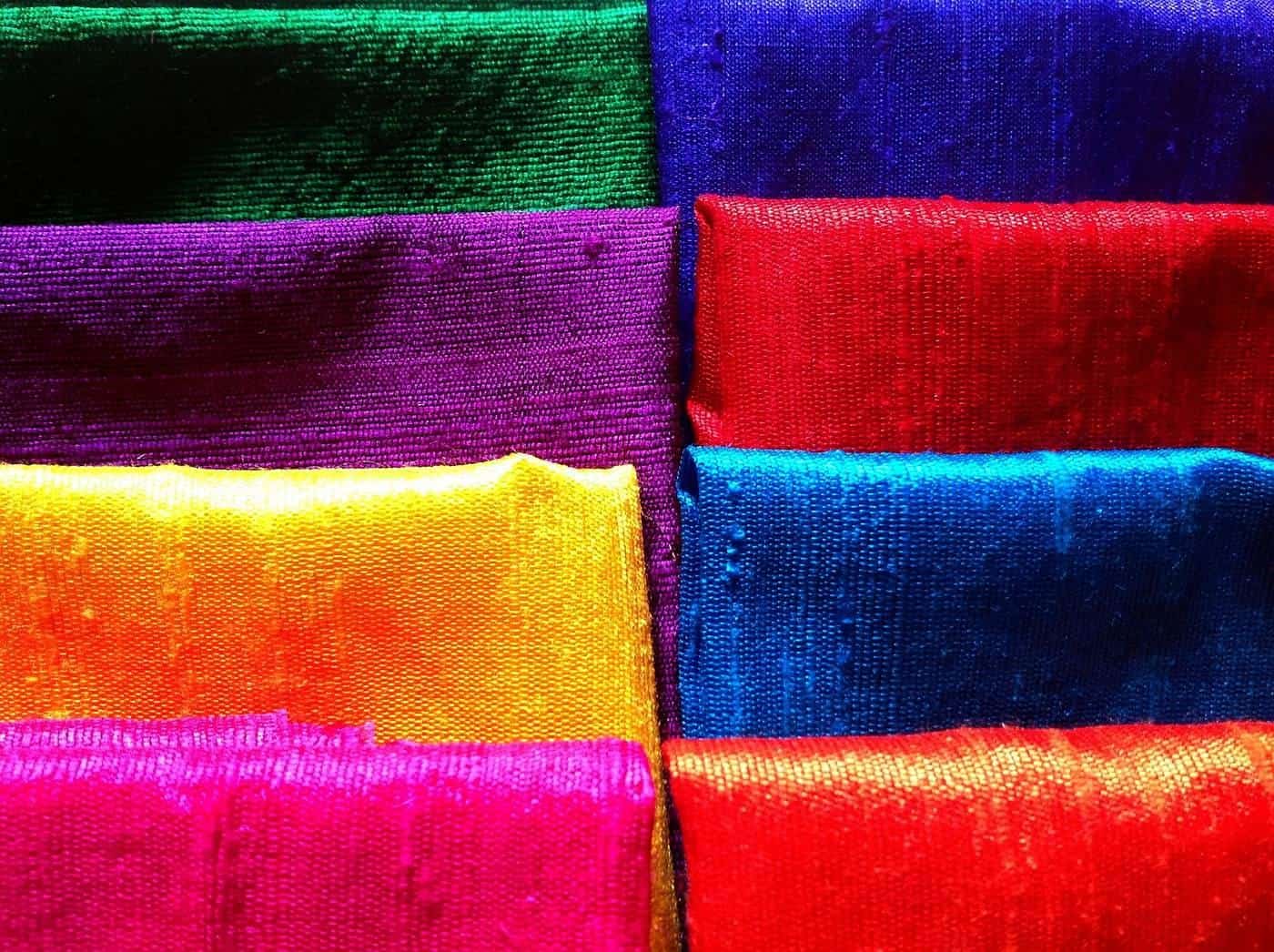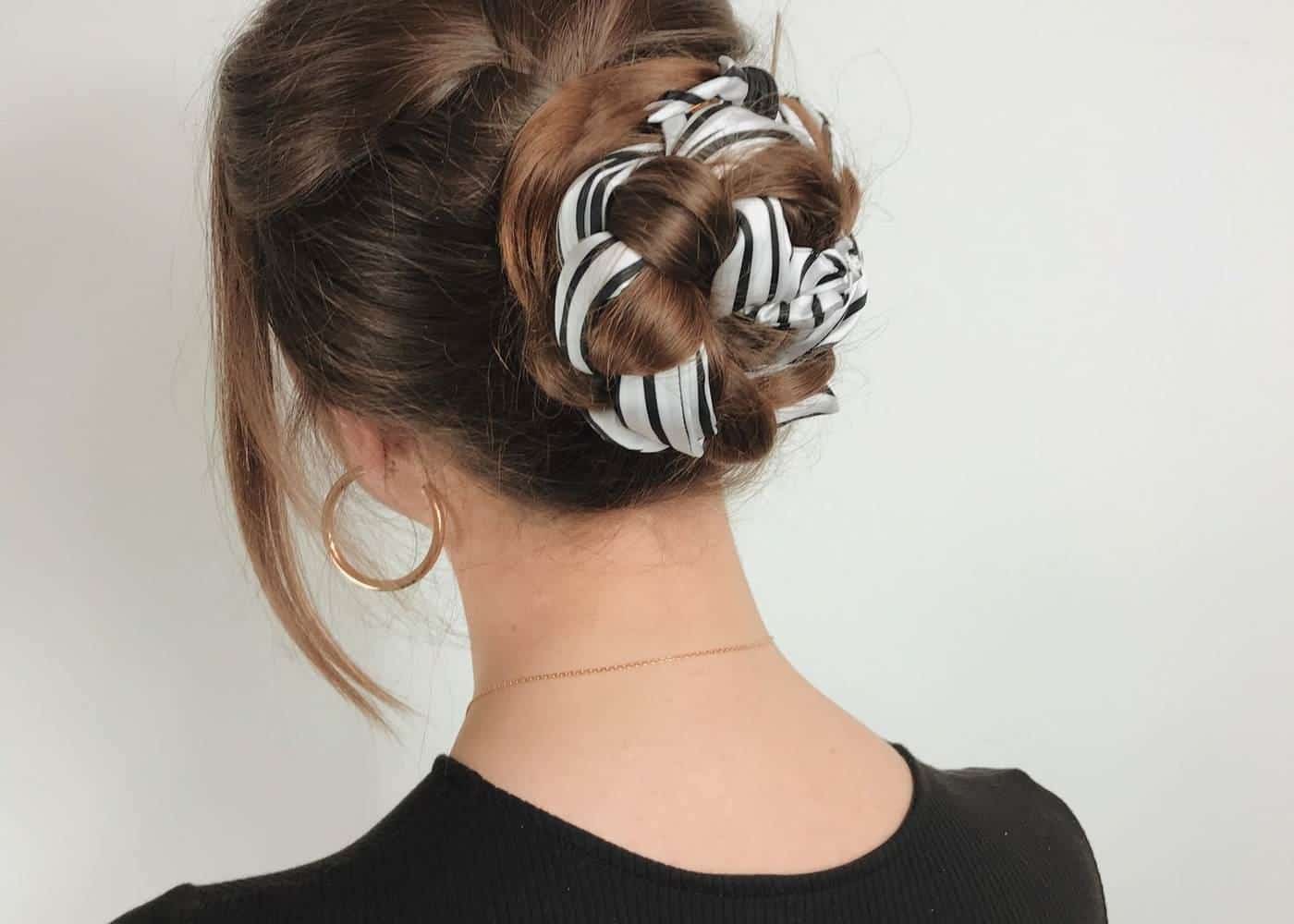
If silk and satin are the smooth, glossy end of the scrunchie world, velvet and cotton are the workhorses. Velvet scrunchies became a symbol of 1990s style and returned in force, while cotton scrunchies are the ones people make from fabric offcuts, toss in the wash and wear every day. This guide explains how each fabric behaves, which hair types it tends to suit and how to look after it.
This guide is general information written in our own words. We don't recommend particular shops, brands or products, and we never quote prices. It isn't medical advice: if you're worried about your hair or scalp, see your GP or a dermatologist.
What velvet is
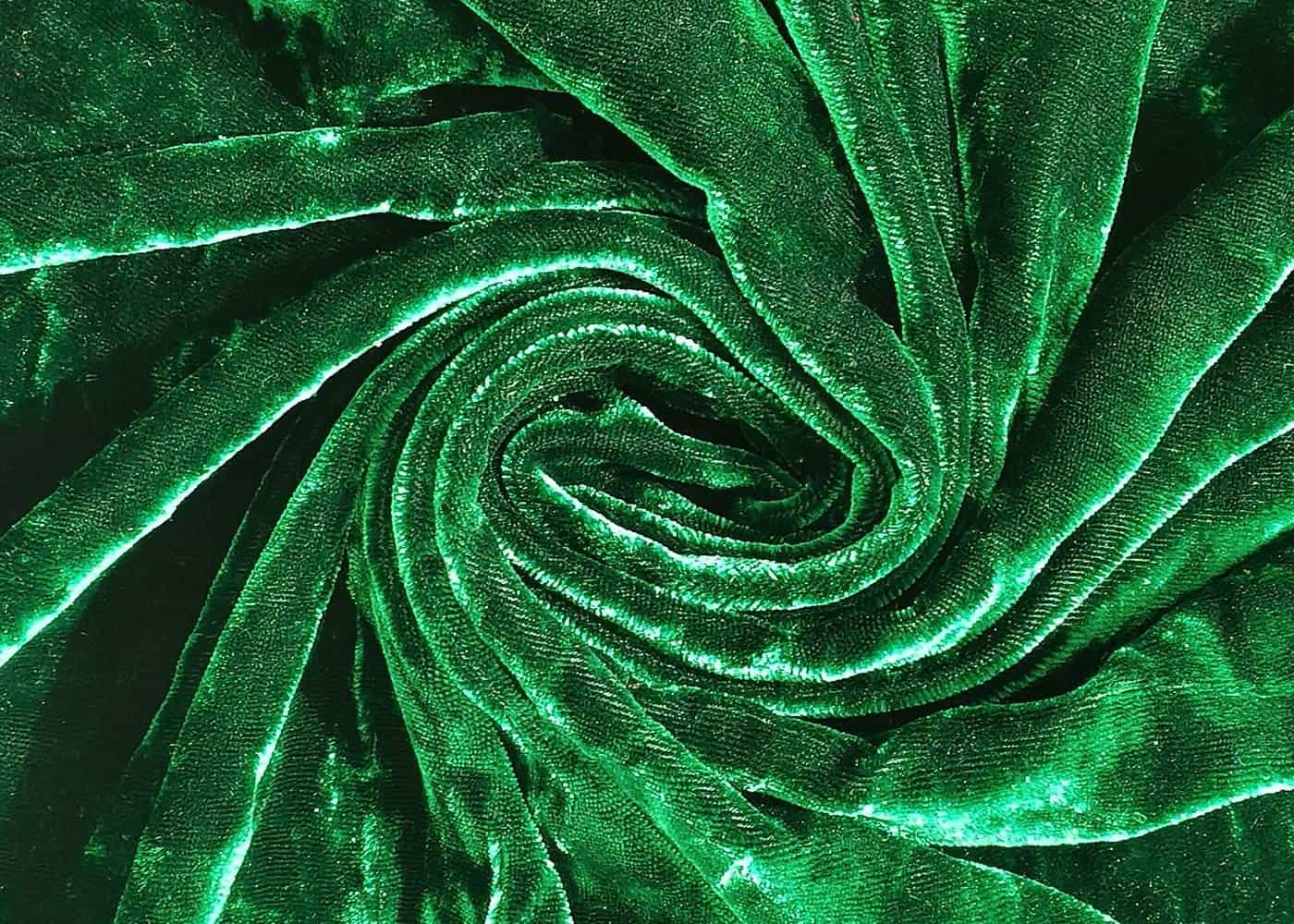
Velvet is a woven fabric with a short, dense pile: tiny cut threads standing up from the base, which give it a soft, plush feel and a rich depth of colour. Velvet can be made from silk, cotton, rayon (viscose), polyester or blends. "Crushed velvet" has been twisted or pressed to create a deliberately uneven, shimmering surface. Velour is a similar knitted fabric with a pile; it stretches more and is common in casual scrunchies.
Why velvet holds well
That pile gives velvet a gentle grip. Instead of sliding down a ponytail, a velvet scrunchie tends to stay where you put it. That's why many people with fine, straight or silky hair, which lets smooth scrunchies slip, reach for velvet. The soft surface also feels comfortable against the head when you lean back.
The trade-off is friction. Because velvet grips, it can catch slightly more as you remove it. Slide it off gently rather than dragging it down the length of your hair, and loosen it before pulling.
What cotton offers
Cotton is a natural plant fibre that's breathable, easy to dye and print, and generally simple to wash. Cotton scrunchies come in many weaves: smooth poplin and quilting cotton, lightweight voile, textured seersucker and gauze, or stretchy cotton jersey. Woven cottons hold their shape and show prints well, while jersey is soft and slightly stretchy.
Cotton sits between satin and velvet for grip. It isn't as slippery as satin, but doesn't hold as firmly as velvet. It also absorbs moisture, which makes it comfortable in warm weather and for exercise, though it stays damp longer than synthetics after swimming.
Comparing the fabrics
| Velvet | Cotton | Satin | |
|---|---|---|---|
| Grip | Strong | Medium | Light |
| Feel | Plush, soft | Soft, breathable | Smooth, slippery |
| Washing | Gentle; check label | Usually easy | Gentle (silk) or easy (polyester) |
| Good for | Fine, slippery hair; winter | Everyday, sport, kids | Sleep; curly or fragile hair |
These are general patterns, not rules. Hair texture, thickness and how you style it all change what works. Most people end up with a mix.
Velvet and the seasons
Velvet feels warm and cosy and is a popular winter fabric, often in deep jewel colours. In a hot Australian summer, some people find velvet a little heavy, especially on a high ponytail in the sun. Cotton and linen-blend scrunchies are cooler alternatives for hot days.
Washing velvet
Always check the care label first. In Australia, the ACCC explains that clothing and textile products covered by the mandatory care labelling standard must carry instructions, using words, the international care symbols or both. If a velvet scrunchie has no label, treat it gently: hand wash in cool water with a mild detergent, don't wring or twist, press water out in a towel, and dry flat or hang to dry. Brush the pile softly in one direction while damp so it dries evenly.
Velvet pile can flatten with pressure, heat or being stored squashed. A gentle steam from the back of the fabric (holding a steamer or kettle steam at a safe distance) can help lift crushed pile. Never iron velvet directly on the pile side.
Washing cotton
Many cotton scrunchies can be machine washed, ideally in a mesh laundry bag so they don't tangle or stretch. Cool or warm water is usually fine. Line dry where possible, because high dryer heat can weaken the elastic inside. Pre-wash cotton fabric before you sew your own scrunchies, since cotton can shrink a little the first time it's washed.
Choosing for your hair
Fine, straight or silky hair often benefits from velvet's grip, letting you wrap the scrunchie fewer times and keep it looser. Thick hair may prefer a sturdy cotton scrunchie with strong elastic, or an oversized style with more fabric to cover the elastic. Curly and textured hair is often treated more gently with smooth fabrics, but a soft cotton scrunchie worn loosely works for many people; see our guide to curly and textured hair.
Looking after the elastic
Whichever fabric you choose, the elastic inside does the work. Elastic weakens over time, especially with heat, sun, chlorine and constant stretching. When a scrunchie needs an extra wrap to hold, it's a sign the elastic is tired. Rather than winding it tighter, which pulls on the hair, replace the elastic or retire the scrunchie. Our how to make a scrunchie guide shows how to unpick a seam and thread new elastic.
Sewing with velvet and cotton
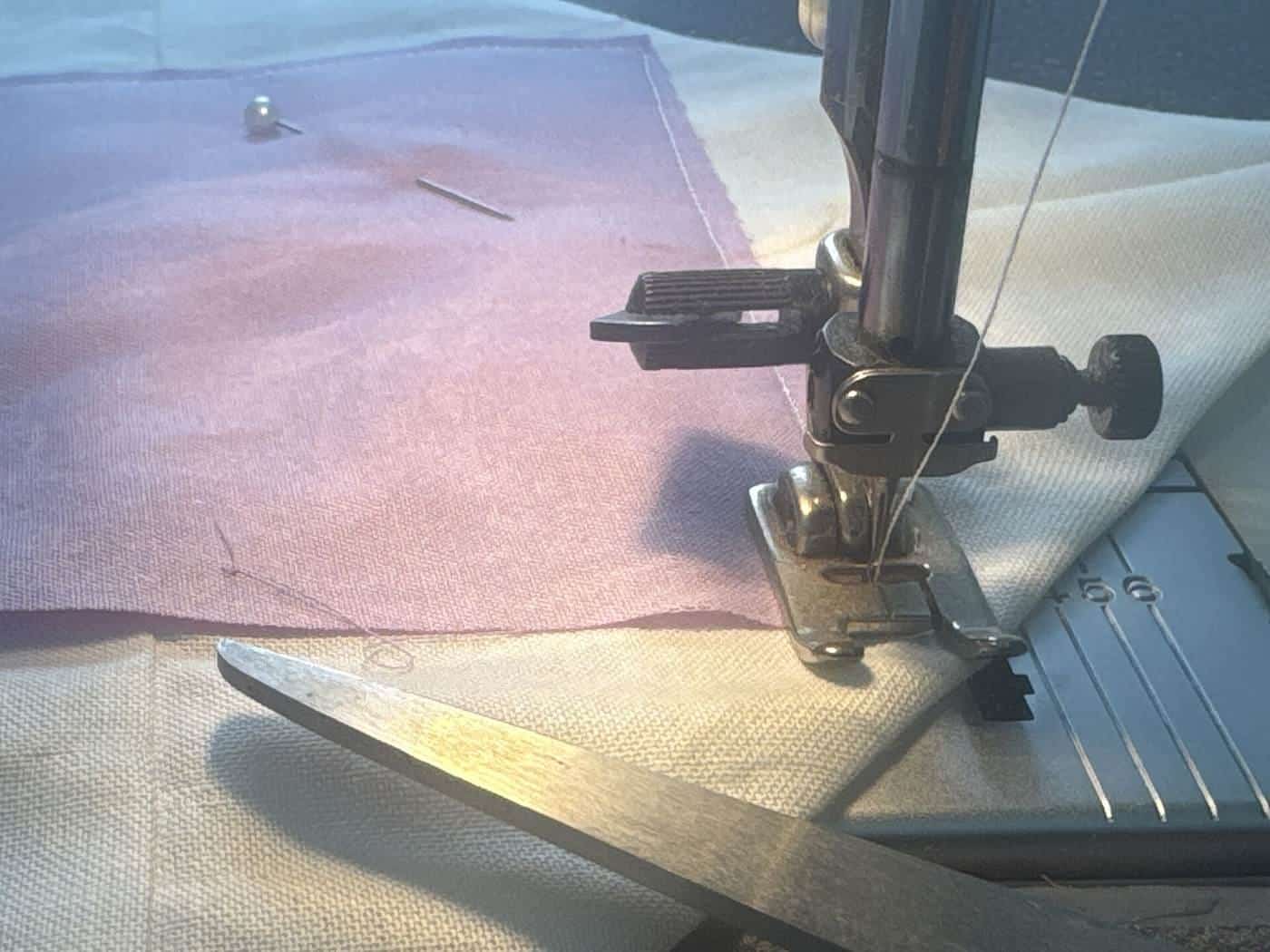
Cotton is the easiest scrunchie fabric to sew and the best choice for a first attempt. Velvet is trickier because the pile "walks" under the presser foot. Use plenty of pins, sew slowly and keep the pile running the same way on both ends. Because velvet is thick, a slightly shorter strip stops the scrunchie getting bulky; our scrunchie maker adjusts the cut size for heavier fabrics.
Storing scrunchies
Store velvet scrunchies loosely in a drawer or on a hook, rather than squashed under heavier items, so the pile stays plush. Cotton scrunchies are forgiving, but keep them dry and out of strong sun so colours last. A small jar or bowl by the mirror keeps the ones you use every day easy to find.
Linen, jersey and other fabrics
Velvet and cotton aren't the only everyday options. Linen is breathable and crisp, softening with every wash, and suits warm weather. Cotton or bamboo jersey is soft and stretchy, which makes it comfortable for lounging. Chiffon and organza are sheer and light, popular for oversized statement scrunchies. Wool and knit scrunchies appear in winter but can catch on fine hair. Whatever the fabric, the same rules apply: wear it loosely, check the care label and replace tired elastic.
Use the scrunchie maker
Our free scrunchie maker suggests a starting fabric cut size and elastic length for skinny, classic, oversized and child-sized scrunchies, adjusted for light, medium or heavy fabric and for fine, medium or thick hair. It's a home-sewing starting point rather than a standard, so feel free to adjust. It runs entirely in your browser, and nothing you choose is sent anywhere.
Where our information comes from
Health statements in our guides are based on expert sources, including DermNet, the American Academy of Dermatology and the British Association of Dermatologists. Safety and care labelling information comes from ACCC Product Safety and the Federal Register of Legislation, and consumer rights information from the ACCC and Scamwatch. We link to each source at the end of the page, rewrite everything in our own words and show the date each guide was last checked.
A gentle scrunchie habit in one sentence
Choose a scrunchie that suits your hair, wear it loosely, move it around, give your hair days off, keep it clean and replace the elastic when it's tired. Almost everything else in this guide supports those simple habits.
Questions to ask before you buy
Before buying a scrunchie, ask yourself: what will I use it for, does the fabric suit my hair, is the elastic strong enough to hold without winding tight, are the seams neat, and can I wash it the way I like? Check product descriptions for fibre content and care instructions. Clear descriptions are a good sign of a seller who knows what they're selling.
Key points
- Velvet's pile gives grip, making it popular for fine or slippery hair.
- Cotton is breathable, easy to sew and usually easy to wash.
- Check care labels; brush velvet pile in one direction while damp.
- Replace tired elastic rather than winding a scrunchie tighter.
Frequently asked questions
Do velvet scrunchies hold better than satin?
Many people find they do, because the pile grips hair. Holding power also depends on the elastic and your hair type.
Is cotton good for scrunchies?
Yes. Cotton is breathable, easy to sew and easy to wash, which makes it a practical everyday choice.
Can velvet scrunchies be washed?
Often, but check the label. Many velvets prefer a gentle hand wash and air drying with the pile brushed in one direction.
Why does my velvet scrunchie look patchy?
Velvet pile can crush with pressure and heat. Steaming lightly from the back can lift it.
Sources and further reading
Facts on this page were checked against these primary and official sources. Conditions change — confirm before you travel or buy.
- Care labelling for clothing and textiles mandatory standard — ACCC Product Safety
- Consumer Goods (Care Labelling) Information Standard 2023 — Federal Register of Legislation
- Hairstyles that can lead to hair loss — American Academy of Dermatology