Scrunchies come in more sizes than you might think, from slim bands barely wider than a hair tie to oversized puffs that cover half a ponytail. Size affects how a scrunchie looks, how it holds and how comfortable it is to wear. This guide explains the main sizes, which hair types each tends to suit and how to wear them.
This guide is general information written in our own words. We don't recommend particular shops, brands or products, and we never quote prices. It isn't medical advice: if you're worried about your hair or scalp, see your GP or a dermatologist.
The main sizes
There's no official sizing system for scrunchies, so names vary between makers. As a rough guide:
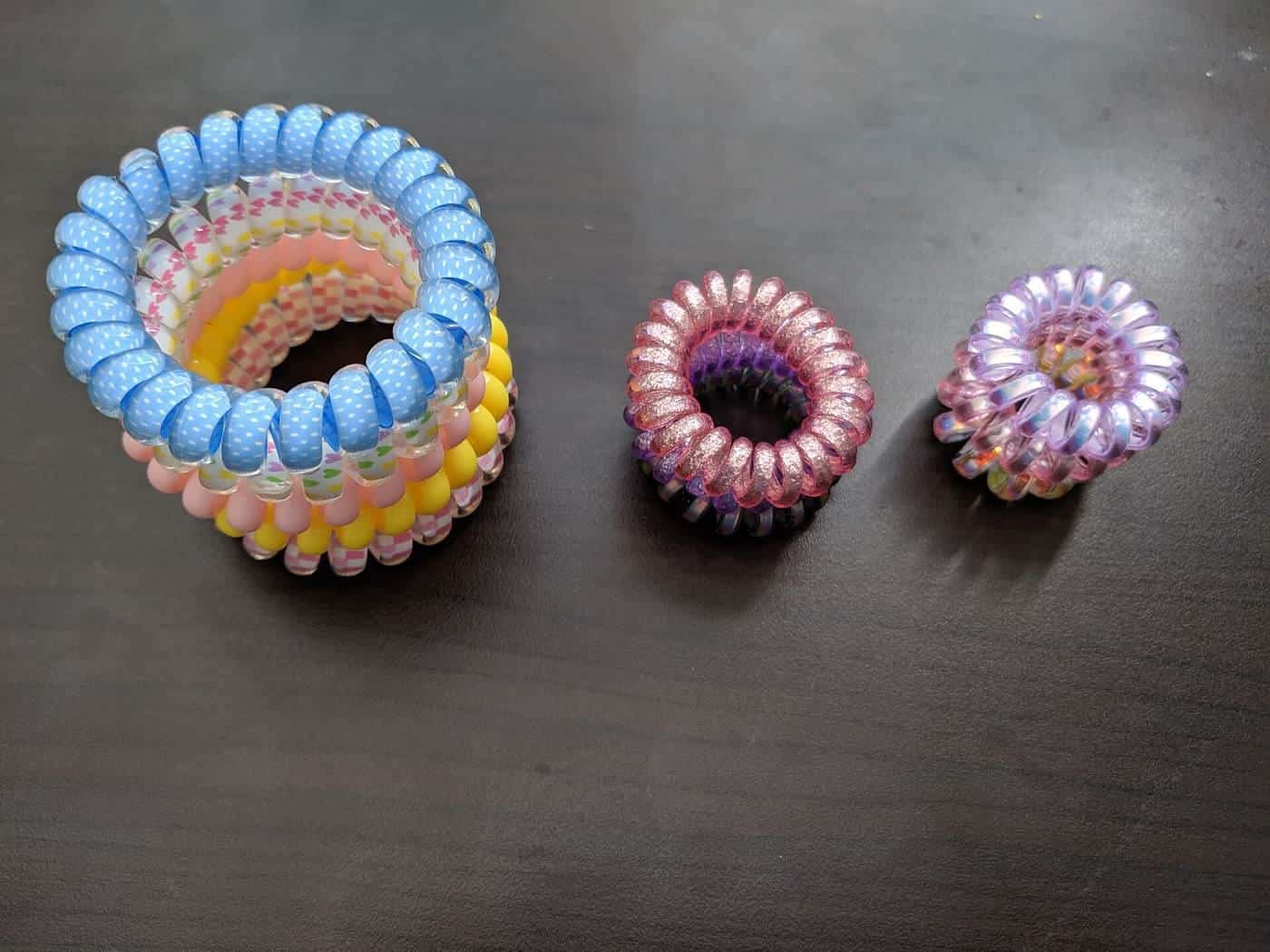
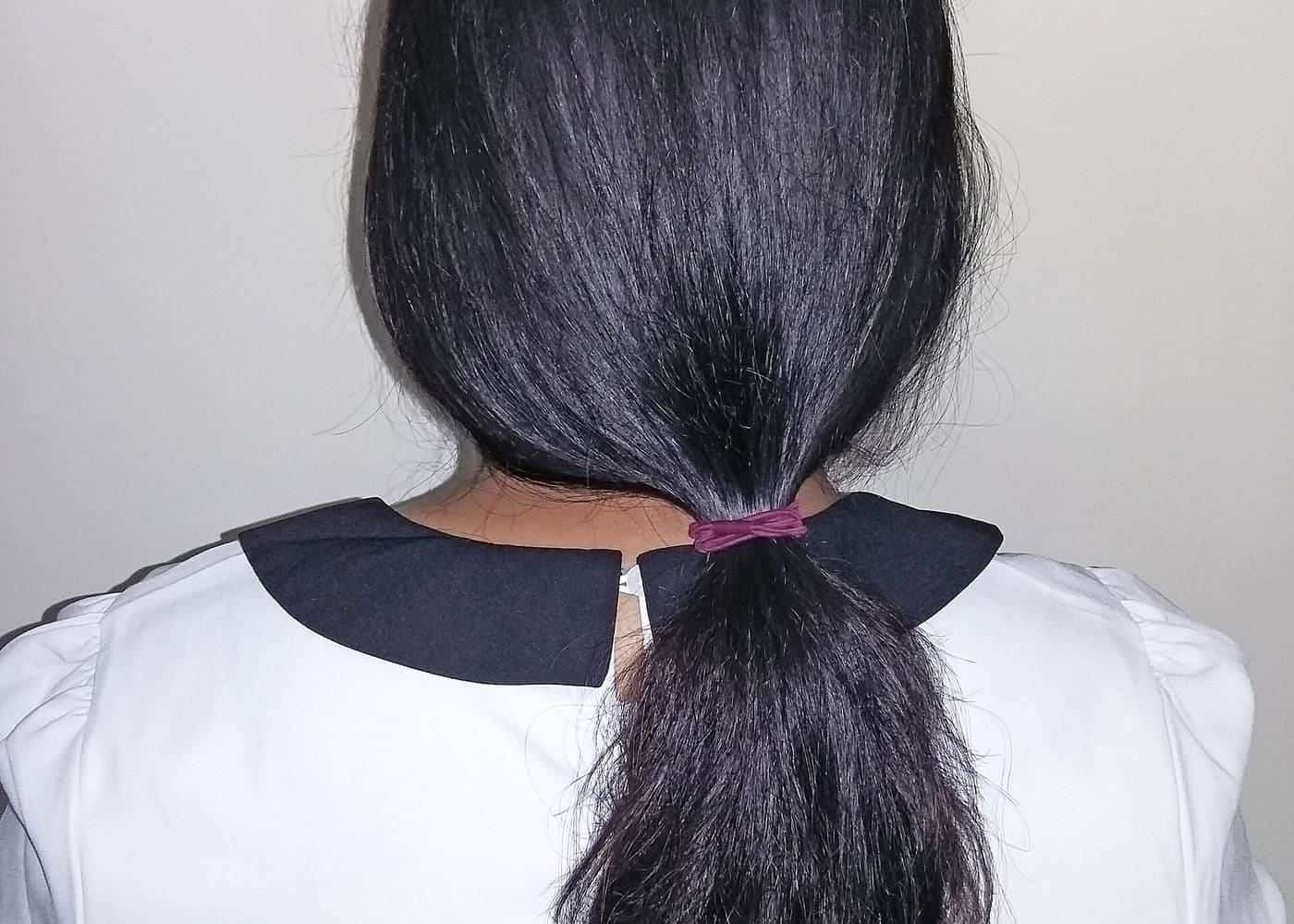
- Skinny or mini: a narrow fabric tube, often just over a centimetre wide when gathered. Discreet and easy to wrap several times.
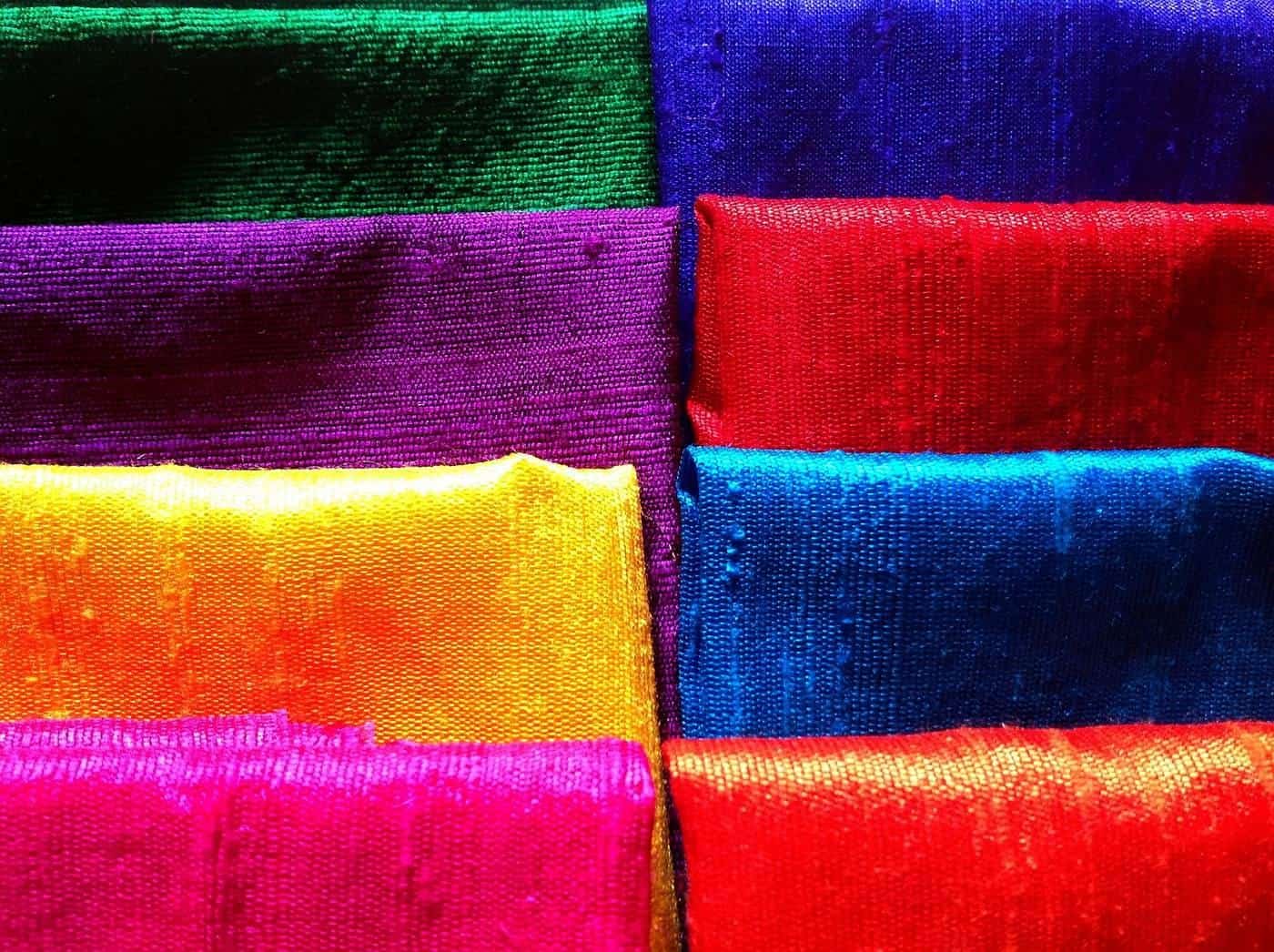
- Classic: the everyday scrunchie, with a few centimetres of gathered fabric. Most scrunchies sold fall into this category.
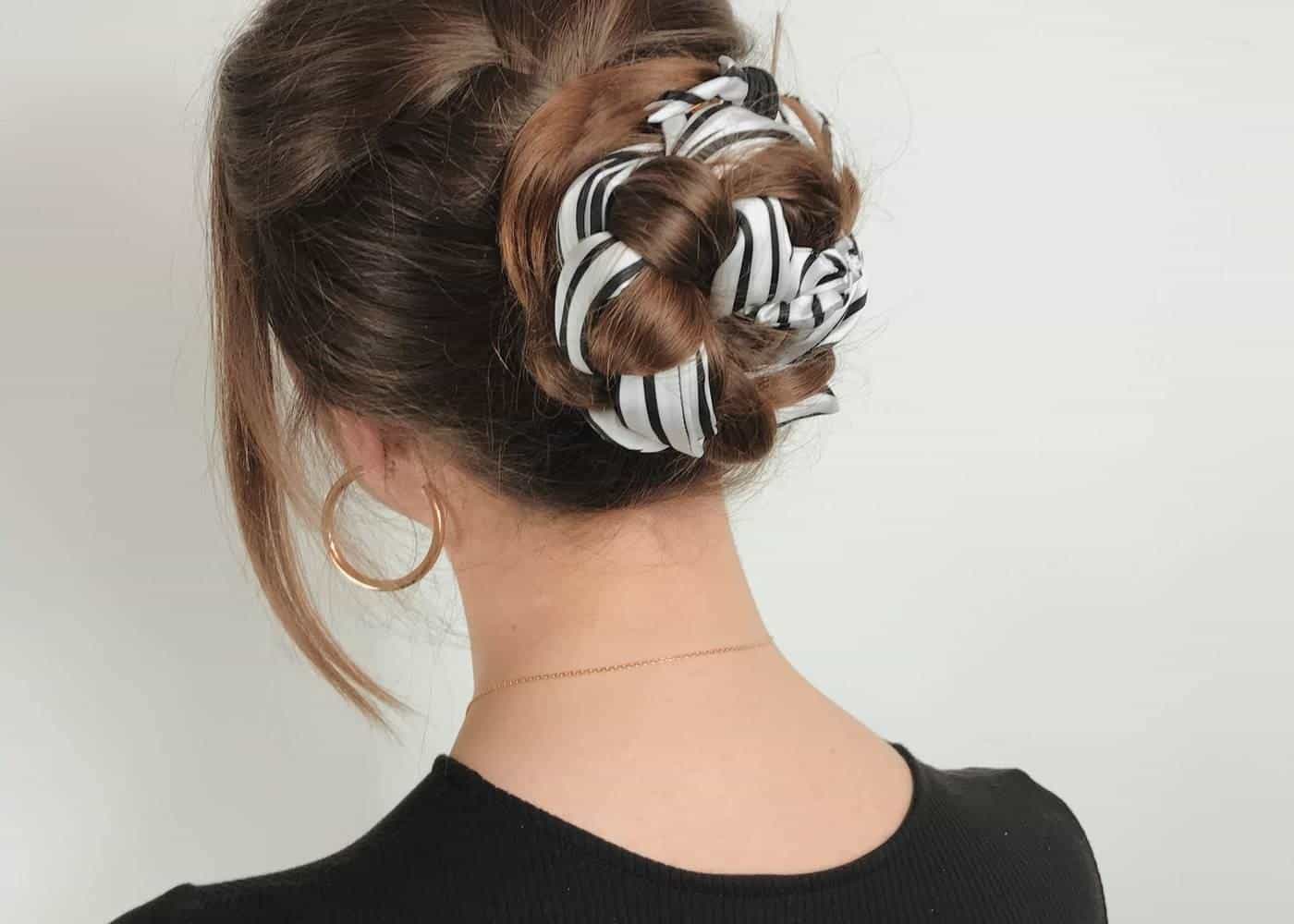
- Oversized or "jumbo": a long, wide strip of fabric gathered into a big, soft puff. A fashion statement as much as a hair tie.
- Long-tail and bow scrunchies: a classic scrunchie with fabric tails or a bow attached, adding a decorative finish.
How size affects hold
The fabric on a scrunchie is mostly decorative; the elastic inside does the holding. A huge scrunchie with weak elastic will slide out, while a skinny scrunchie with firm elastic can hold well. When choosing a size, think about the elastic as much as the fabric.
Size does change how many times you wrap the scrunchie. Skinny scrunchies are often wrapped two or three times. Oversized scrunchies are bulky, so they're usually wrapped once or twice. Fewer wraps can mean less tension, but only if the elastic is strong enough to hold your hair at that looseness.
Size and hair health
Dermatology organisations, including the American Academy of Dermatology, explain that wearing hair pulled tightly back, particularly in the same style every day, can lead to hair loss called traction alopecia. DermNet notes that it's caused by prolonged or repeated tension on the hair. The size of the scrunchie matters less than how tightly it's wound. Whatever size you wear, aim for a hold that keeps your hair in place without pulling at your scalp, and change where your ponytail sits from day to day.
Matching size to hair type
Fine or thin hair. Skinny and classic scrunchies suit fine hair, because oversized scrunchies can overwhelm a small ponytail and slip out. A velvet skinny scrunchie can hold with fewer wraps.
Medium hair. Most sizes work. A classic scrunchie is the all-rounder; an oversized one adds a statement for going out.
Thick hair. Classic and oversized scrunchies with strong elastic often hold thick hair with fewer wraps. Skinny ones may need so many wraps that the hold becomes tight.
Curly or textured hair. Larger, softer scrunchies in smooth fabrics are often preferred, worn loosely to avoid crushing curls. See our curly and textured hair guide.
Wearing a skinny scrunchie
Skinny scrunchies are good for small buns, half-up styles, braids and the ends of plaits. They're also handy as a backup on your wrist or bag strap. Because they're slim, they look neat and suit work and school.
Wearing a classic scrunchie
The classic scrunchie is the everyday choice. Use it for low ponytails, loose buns, sleep and casual high ponytails. Classic sizes come in the widest range of fabrics, so you can choose velvet for grip, satin for smoothness or cotton for breathability.
Wearing an oversized scrunchie
Oversized scrunchies work best as the focal point of a hairstyle: a loose top knot, a low bun at the nape of the neck or a half-up style. Choose a light fabric such as chiffon, organza or lightweight satin, since heavy fabrics in a large scrunchie can drag on the hair. Keep the rest of the look simple.
Long-tail, bow and pearl scrunchies
Decorative scrunchies with tails, bows or attached beads add interest but can also add weight. If the decoration pulls a ponytail down, sit the scrunchie lower and looser. For children, avoid small attachments that can come off; our kids hair accessories safety guide explains why.
Scrunchies on wrists
Many people carry a scrunchie on their wrist so it's handy when they need it. A soft scrunchie is generally more comfortable on the wrist than a thin hair elastic. Even so, a tight band worn on the wrist for long periods can leave marks. If a scrunchie leaves red indentations, wear it looser or carry it on a bag strap instead.
A short history of size
According to NPR, the scrunchie was invented in 1986 by nightclub singer Rommy Hunt Revson, who was inspired by the waistband of her sweatpants and received a design patent. Over the following decades, sizes rose and fell with fashion: big, bold scrunchies in the late 1980s and 1990s, skinny and discreet ones later, and oversized puffs again more recently.
Choosing your size
If you're unsure, start with a classic size in a fabric that suits your hair. Add a skinny one for neat styles and an oversized one for a statement. If you sew, our scrunchie maker gives starting cut sizes for skinny, classic, oversized and child-sized scrunchies.
Sizes for children
Children usually need smaller scrunchies so the elastic holds a little ponytail without many wraps. Choose soft, well-sewn scrunchies without detachable decorations, and keep them comfortable rather than tight. Babies and toddlers should be supervised with any hair accessory, because small parts and loose elastic can be hazards. Our kids safety guide explains the ACCC guidance.
Travelling with scrunchies
A couple of scrunchies take up almost no space in a bag. Pack one classic size for everyday, a skinny one for neat styles and a water-friendly tie for swimming. Keep them in a small pouch so they don't disappear into the bottom of your luggage, and let swim ties dry fully before packing them away.
Use the scrunchie maker
Our free scrunchie maker suggests a starting fabric cut size and elastic length for skinny, classic, oversized and child-sized scrunchies, adjusted for light, medium or heavy fabric and for fine, medium or thick hair. It's a home-sewing starting point rather than a standard, so feel free to adjust. It runs entirely in your browser, and nothing you choose is sent anywhere.
Where our information comes from
Health statements in our guides are based on expert sources, including DermNet, the American Academy of Dermatology and the British Association of Dermatologists. Safety and care labelling information comes from ACCC Product Safety and the Federal Register of Legislation, and consumer rights information from the ACCC and Scamwatch. We link to each source at the end of the page, rewrite everything in our own words and show the date each guide was last checked.
A gentle scrunchie habit in one sentence
Choose a scrunchie that suits your hair, wear it loosely, move it around, give your hair days off, keep it clean and replace the elastic when it's tired. Almost everything else in this guide supports those simple habits.
Questions to ask before you buy
Before buying a scrunchie, ask yourself: what will I use it for, does the fabric suit my hair, is the elastic strong enough to hold without winding tight, are the seams neat, and can I wash it the way I like? Check product descriptions for fibre content and care instructions. Clear descriptions are a good sign of a seller who knows what they're selling.
Hair loss has many causes
Tight hairstyles are only one cause of hair loss. Genetics, hormonal changes, pregnancy, illness, some medicines, nutritional deficiencies, stress and scalp conditions can all play a part. If you notice unexplained thinning, patches or shedding, see your GP or a dermatologist rather than assuming your scrunchie is to blame. Early assessment helps.
Key points
- There is no official scrunchie sizing; skinny, classic and oversized are common names.
- The elastic does the holding; the fabric mostly changes the look.
- How tightly you wind it matters more than size for hair health.
- Choose light fabrics for oversized scrunchies so they don't drag.
Frequently asked questions
Do oversized scrunchies hold hair well?
They can, if the elastic is strong enough. The extra fabric is mostly for looks, so the elastic does the holding.
Are skinny scrunchies good for thick hair?
They can work, but you may need several wraps. A classic or sturdy style may hold with less tension.
What size scrunchie is best for a bun?
Classic and skinny scrunchies are easy to wrap around a bun. Oversized ones can make a soft statement.
Can I wear a scrunchie on my wrist?
Many people do. Avoid wearing a tight one on your wrist for long periods, as it can leave marks.
Sources and further reading
Facts on this page were checked against these primary and official sources. Conditions change — confirm before you travel or buy.
- Hairstyles that can lead to hair loss — American Academy of Dermatology
- Traction alopecia — DermNet
- The scrunchie is back. Here is its surprisingly long history — NPR