Scrunchies spend their lives in your hair, on your wrist and in the bottom of your bag. They pick up natural oils, hair products, sweat, sunscreen and dust. Washing them keeps them fresh and stops grime transferring back to clean hair. The challenge is cleaning them without damaging delicate fabrics or the elastic inside. This guide explains how.
This guide is general information written in our own words. We don't recommend particular shops, brands or products, and we never quote prices. It isn't medical advice: if you're worried about your hair or scalp, see your GP or a dermatologist.
Start with the care label
In Australia, clothing and some textile products must carry care instructions under a mandatory information standard. ACCC Product Safety explains that care instructions can be given in English words, with the international care symbols, or both. Small accessories don't always carry labels, but if your scrunchie has one, follow it.
The five basic care symbols are:
- Washtub: washing. Dots or numbers show temperature; a hand means hand wash.
- Triangle: bleaching. A crossed triangle means don't bleach.
- Square: drying. A circle inside means tumble drying.
- Iron: ironing, with dots for heat level.
- Circle: professional cleaning, such as dry cleaning.
A cross through any symbol means "don't", and lines beneath a symbol usually indicate a gentler process.
How often to wash
There's no fixed rule. Wash scrunchies when they look dull, feel stiff with product or smell. Scrunchies worn for sport, sleep or with lots of styling product need washing more often. Keeping several in rotation means you always have a clean one.
Hand washing (best for silk, velvet and delicate scrunchies)
- Fill a basin with cool or lukewarm water and add a small amount of gentle detergent.
- Swish the scrunchie through the water and gently squeeze the suds through the fabric. Don't scrub or twist.
- Soak for a few minutes if it's grubby.
- Rinse thoroughly in clean water until no suds remain.
- Press out water by rolling it in a clean towel. Don't wring, which can stretch the elastic and distort the fabric.
- Reshape and dry flat or hang in the shade.
Machine washing (often fine for cotton, polyester satin and jersey)
Put scrunchies in a mesh laundry bag so they don't tangle, stretch around other items or get lost. Use a gentle cycle in cool or warm water. Wash dark and bright colours separately at first, as some dyes bleed. Avoid wash cycles with very hot water, which can weaken elastic.
Drying
Air drying is the safest option. High heat in a tumble dryer can damage elastic and cause some fabrics to shrink or lose their sheen. Dry silk and brightly coloured scrunchies in the shade to reduce fading. Make sure scrunchies are completely dry before putting them away, as damp fabric can develop mould and smells.
Fabric-by-fabric notes
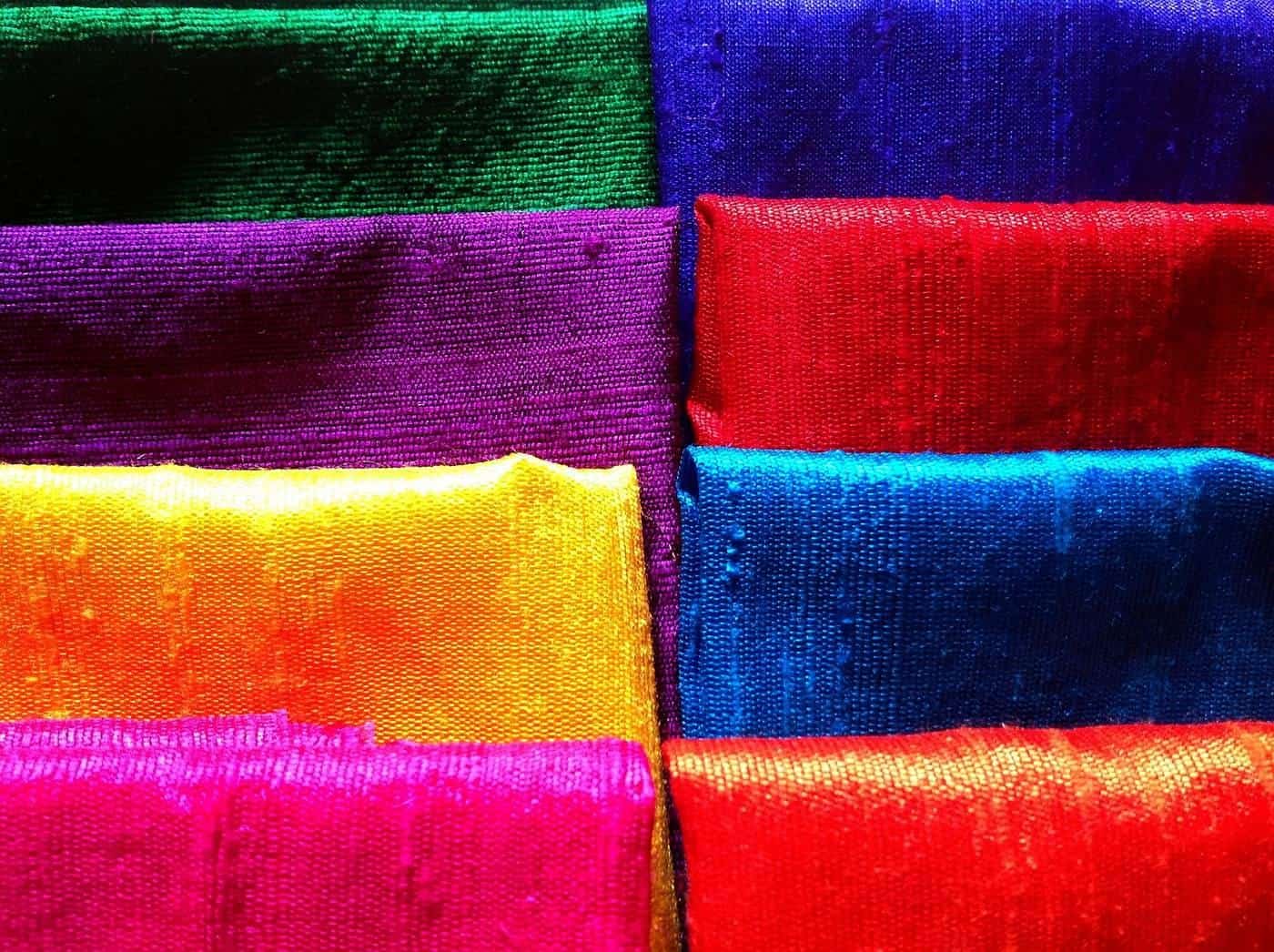
- Silk: hand wash with gentle detergent, cool water, dry in the shade. Avoid wringing and sunlight.
- Polyester satin: usually machine washable in a bag on gentle; low heat if ironing.
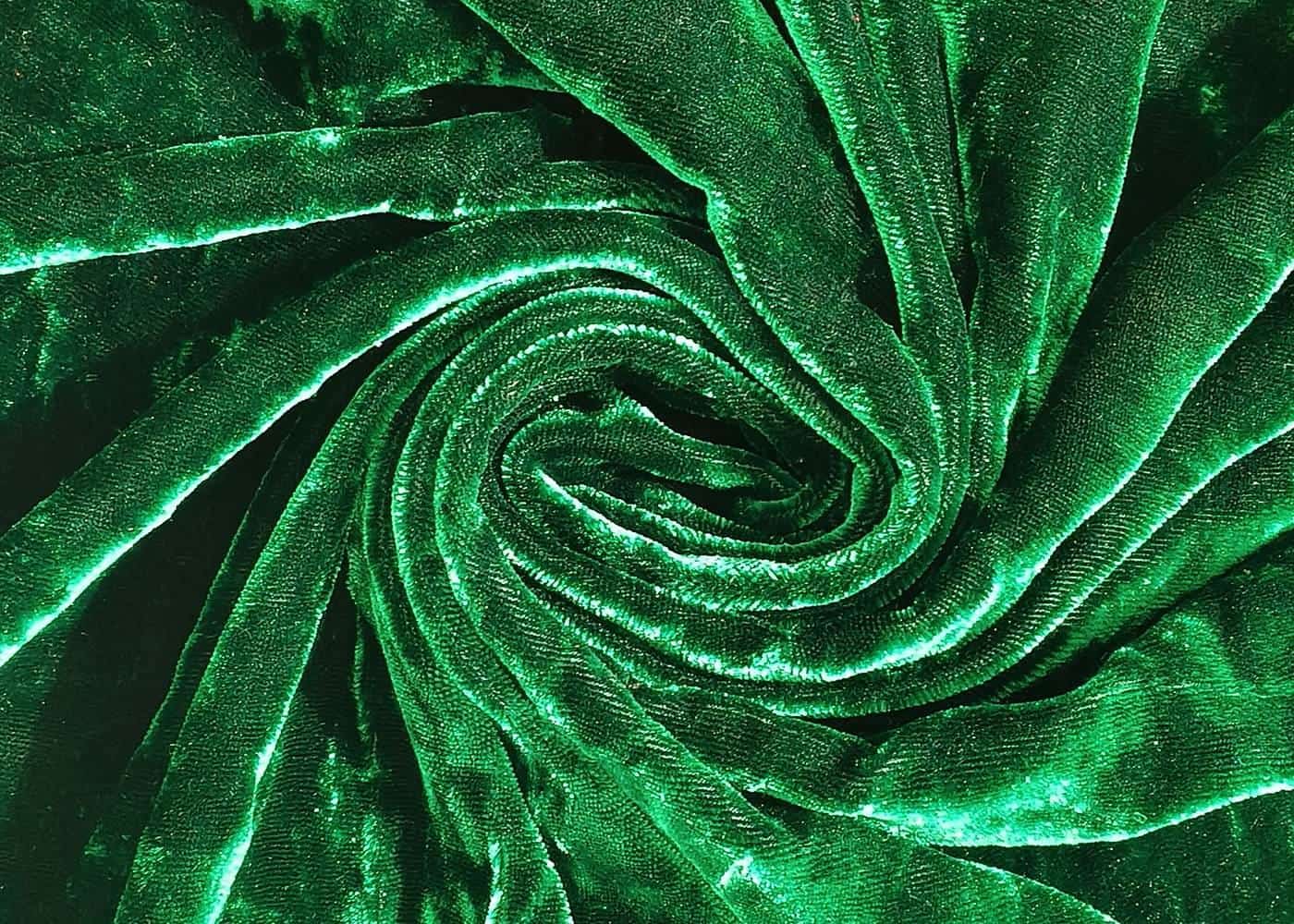
- Velvet: hand wash gently, don't wring, brush the pile in one direction while damp, and steam from the back to lift crushed pile.
- Cotton and linen: usually machine washable; may shrink slightly the first time.
- Scrunchies with beads, pearls or bows: spot clean or hand wash carefully, and check that decorations stay secure.
Dealing with stains
Treat stains promptly. Blot rather than rub. A dab of gentle detergent on the stain before washing often helps with makeup or hair product. Test any stain remover on a hidden area first, especially on silk and velvet.
Reviving a tired scrunchie
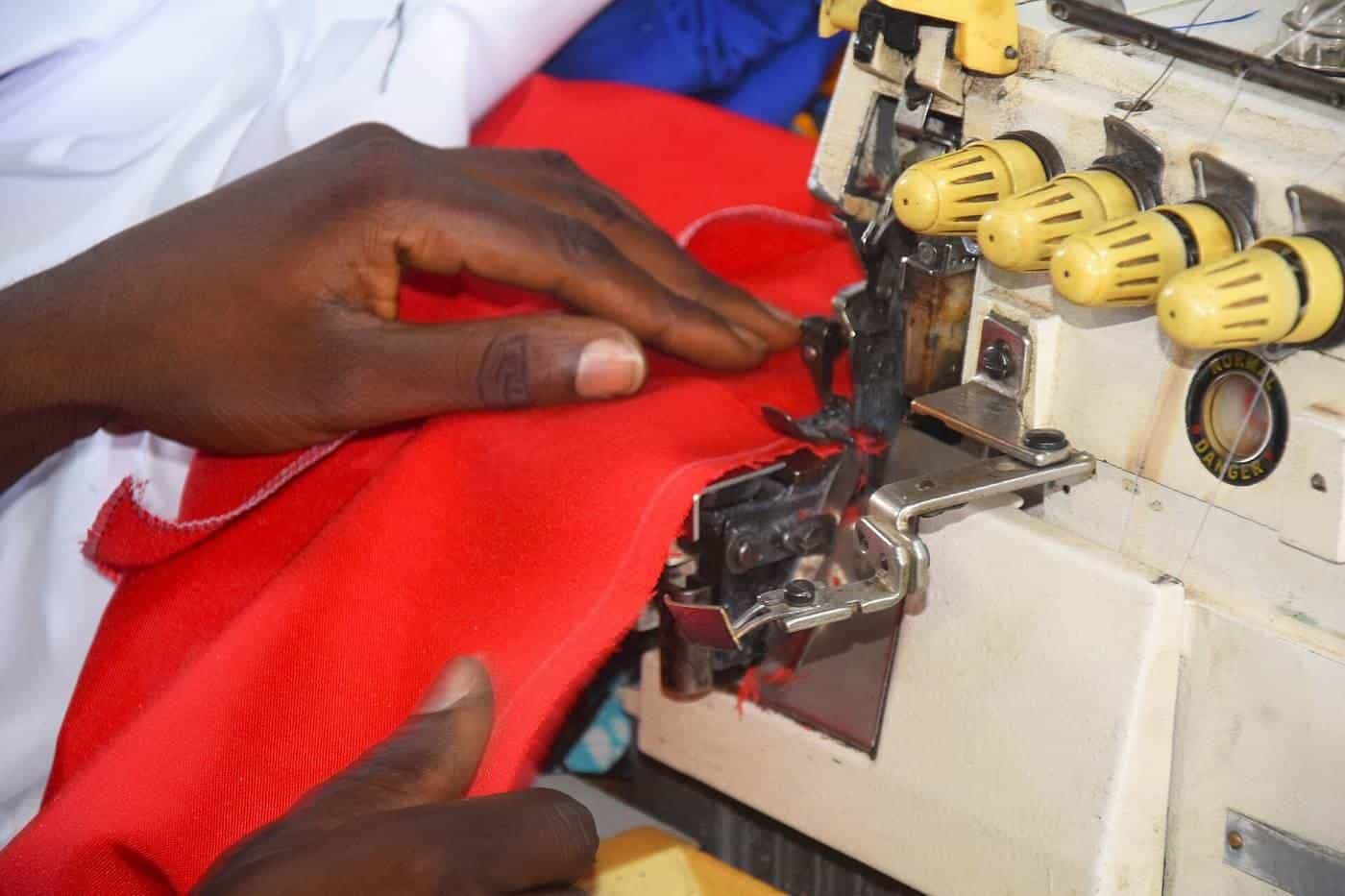
If a scrunchie looks flat, a gentle steam can freshen the fabric. If it's stretched, replace the elastic: unpick a short section of the seam, pull out the old elastic, thread in new elastic, join the ends and sew it closed. Our how to make a scrunchie guide explains the steps.
Storing scrunchies
Store scrunchies somewhere dry and out of direct sun. A jar, tray or hook by the mirror keeps everyday ones handy. Don't store velvet squashed under heavy items. Keep a separate pouch for sports and swim scrunchies so damp ones don't share space with clean ones.
When to retire a scrunchie
A scrunchie has reached the end of its life when the elastic can't be replaced, the fabric is worn through or the seams keep failing. Rather than binning it, the fabric might be reused for patchwork, cleaning cloths or stuffing; see our sustainable scrunchies guide.
If something goes wrong
If a new scrunchie falls apart, bleeds dye badly or isn't as described, you may have rights under the Australian Consumer Law. The ACCC explains that goods must be of acceptable quality and match their description.
Caring for scrunchies on holiday
When travelling, rinse scrunchies in the basin with a little shampoo or gentle soap, press them in a towel and dry them overnight. Keep beach and pool scrunchies separate and rinse them in fresh water each day. A small zip pouch keeps clean scrunchies away from sunscreen and sand.
Washing scrunchies with hair in them
Remove trapped hairs before washing, as they can tangle and stay caught in the fabric. Gently pick them out or use a lint roller. This also stops hair clogging your washing machine filter.
Use the scrunchie maker
Our free scrunchie maker suggests a starting fabric cut size and elastic length for skinny, classic, oversized and child-sized scrunchies, adjusted for light, medium or heavy fabric and for fine, medium or thick hair. It's a home-sewing starting point rather than a standard, so feel free to adjust. It runs entirely in your browser, and nothing you choose is sent anywhere.
Where our information comes from
Health statements in our guides are based on expert sources, including DermNet, the American Academy of Dermatology and the British Association of Dermatologists. Safety and care labelling information comes from ACCC Product Safety and the Federal Register of Legislation, and consumer rights information from the ACCC and Scamwatch. We link to each source at the end of the page, rewrite everything in our own words and show the date each guide was last checked.
A gentle scrunchie habit in one sentence
Choose a scrunchie that suits your hair, wear it loosely, move it around, give your hair days off, keep it clean and replace the elastic when it's tired. Almost everything else in this guide supports those simple habits.
Questions to ask before you buy
Before buying a scrunchie, ask yourself: what will I use it for, does the fabric suit my hair, is the elastic strong enough to hold without winding tight, are the seams neat, and can I wash it the way I like? Check product descriptions for fibre content and care instructions. Clear descriptions are a good sign of a seller who knows what they're selling.
Hair loss has many causes
Tight hairstyles are only one cause of hair loss. Genetics, hormonal changes, pregnancy, illness, some medicines, nutritional deficiencies, stress and scalp conditions can all play a part. If you notice unexplained thinning, patches or shedding, see your GP or a dermatologist rather than assuming your scrunchie is to blame. Early assessment helps.
Rotating your collection
Keeping a few scrunchies in rotation helps them last longer, because elastic recovers between wears and each one is washed less often. A practical set might include a smooth one for sleep, a grippy one for busy days, a water-friendly tie for swimming and a decorative one for going out.
Scrunchies and style
Scrunchies have moved in and out of fashion since the late 1980s, from bold oversized styles to discreet skinny ones and back again. Today they suit casual, work and evening looks, depending on the fabric. A plain classic scrunchie in a neutral colour is the most versatile, while velvet, prints and oversized puffs add personality.
Key points
- Follow the care label if there is one; Australian care labels use words, symbols or both.
- Hand wash silk and velvet; machine wash cotton and polyester in a mesh bag.
- Air dry in the shade, because high heat damages elastic.
- Replace stretched elastic instead of throwing a scrunchie away.
Frequently asked questions
How often should I wash my scrunchies?
Wash them whenever they look or smell grubby, more often if you use hair products, exercise or sleep in them.
Can I put scrunchies in the washing machine?
Many cotton and polyester scrunchies can go in a mesh bag on a gentle cycle. Check the care label, and hand wash silk and velvet.
Can I tumble dry scrunchies?
High heat can weaken elastic, so air drying is usually safer.
Why has my scrunchie lost its stretch?
Elastic wears out with use, heat, sun and chlorine. You can replace it.
Sources and further reading
Facts on this page were checked against these primary and official sources. Conditions change — confirm before you travel or buy.
- Care labelling for clothing and textiles mandatory standard — ACCC Product Safety
- Consumer Goods (Care Labelling) Information Standard 2023 — Federal Register of Legislation