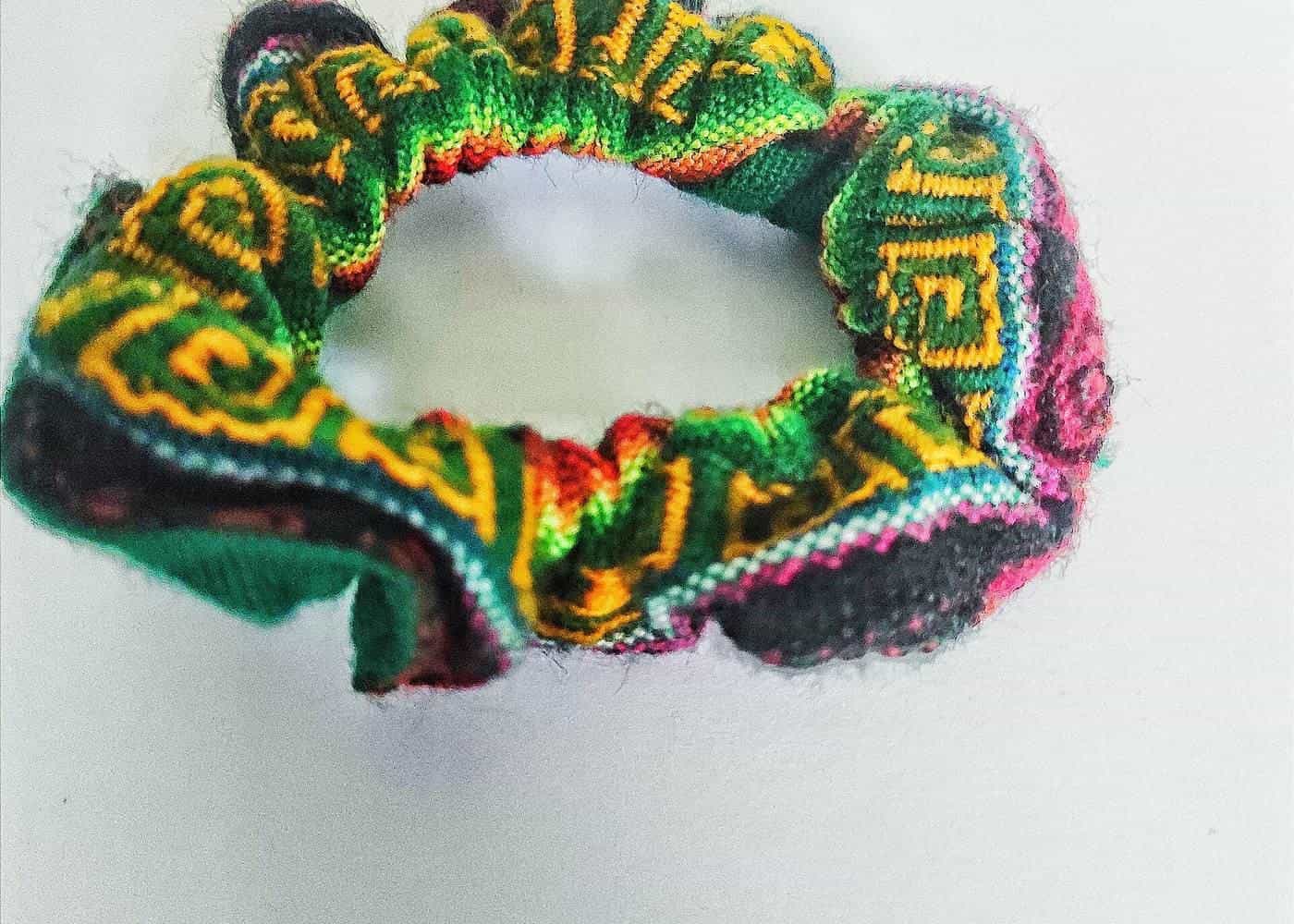
A scrunchie is a loop of elastic covered in gathered fabric. That simple idea comes in a surprising range of fabrics, sizes and styles, and each one behaves a little differently in your hair. Smooth fabrics slide; plush ones grip. Skinny scrunchies wrap neatly around a bun, while oversized ones become the centrepiece of a hairstyle. These guides explain the options so you can choose the right scrunchie for your hair and your day.
The guides in this section
- Silk and satin scrunchies Fibre versus weave, how to tell them apart and how to care for them.
- Velvet and cotton scrunchies Grip, breathability, washing and choosing for your hair.
- Oversized and skinny scrunchies How size affects hold, comfort and style.
- Scrunchies vs hair ties and clips How scrunchies compare with elastics, spiral ties, claw clips and pins.
Fabrics at a glance
| Fabric | Feel | Grip | Typical care |
|---|---|---|---|
| Silk | Smooth, soft, breathable | Light | Hand wash, cool water, dry in shade |
| Polyester satin | Smooth, glossy | Light | Often gentle machine wash |
| Velvet | Plush | Strong | Gentle hand wash; brush pile |
| Cotton | Soft, breathable | Medium | Usually machine washable |
| Linen | Crisp, cool | Medium | Usually machine washable |
| Jersey | Soft, stretchy | Medium | Usually machine washable |
These are general patterns. Always check the care label, and remember that fibre content, weave and the elastic inside all change how a scrunchie performs.
Silk is a fibre; satin is a weave
The most common confusion in the scrunchie world is between silk and satin. Silk is a natural protein fibre made by silkworms. Satin is a weave that leaves long, smooth yarns on the surface, giving a glossy finish. Satin can be made from silk, but most satin scrunchies are polyester. If a description says "satin" or "silky" without naming the fibre, it's usually synthetic. Both are smooth, and both are popular for sleep and for curly or fragile hair.
Size changes the look more than the hold
There's no official scrunchie sizing, but most fall into skinny, classic and oversized. The elastic inside does the holding, while the fabric mostly changes the look. A skinny scrunchie with firm elastic can hold well; an oversized scrunchie with weak elastic slides out. Choose oversized scrunchies in light fabrics so they don't drag on your hair.
How scrunchies compare
Compared with thin elastics, scrunchies spread their grip over soft fabric and hide the join, so there's no metal to snag. Spiral ties and claw clips are other gentle options, and many people use different accessories for different jobs: a spiral tie for swimming, a claw clip for a quick twist, a scrunchie for a loose ponytail or sleep. Dermatology organisations such as the American Academy of Dermatology stress that tight, repeated styles are the main concern, whatever accessory you use.
A short history
According to NPR, the scrunchie was invented in 1986 by nightclub singer Rommy Hunt Revson, who was inspired by the waistband of her sweatpants, named it after her poodle and received a design patent. Scrunchies were everywhere in the late 1980s and 1990s, fell out of fashion, and returned in a big way more recently, in everything from silk to velvet.
Choosing your first few scrunchies
If you're building a small collection, a practical start is a classic scrunchie in a smooth fabric for sleep and loose styles, a velvet or cotton one for busy days when you need more grip, and a skinny one for neat buns and braids. Add an oversized scrunchie if you like a statement. Wear them loosely, and rotate them so the elastic has time to recover.
Quality checks before you buy
Look for neat, even gathers, seams that are sewn rather than glued, and elastic that stretches and springs back. Read the description for fibre content and care instructions. If you sew, you can make any of these styles at home; our how to make a scrunchie guide walks you through it.
Five habits for happy hair and scrunchies
- Wear it loosely. A hairstyle should never hurt.
- Move it around. Change where your ponytail or bun sits from day to day.
- Give your hair days off, with hair down or loose.
- Keep scrunchies clean and follow the care label.
- Replace tired elastic instead of winding a scrunchie tighter.
About these guides
Scrunchies is an independent information site about choosing, wearing, making and caring for scrunchies in Australia. We aren't a shop, brand, manufacturer or retailer, and we don't recommend particular businesses. Our guides are general information written in our own words, with expert and official sources listed on every page. They aren't medical advice: if you're worried about your hair or scalp, see your GP or a dermatologist.
How we keep these guides current
We review each guide against its sources and show the date it was last checked. Health guidance and product safety rules change from time to time. If you notice something out of date, please tell us through our contact page, and we'll check and correct it.
Use the scrunchie maker
Our free scrunchie maker suggests a fabric cut size and elastic length for skinny, classic, oversized and child-sized scrunchies, adjusted for fabric weight and hair type. It runs entirely in your browser, and nothing you choose is sent anywhere.
Guides in this section
Types
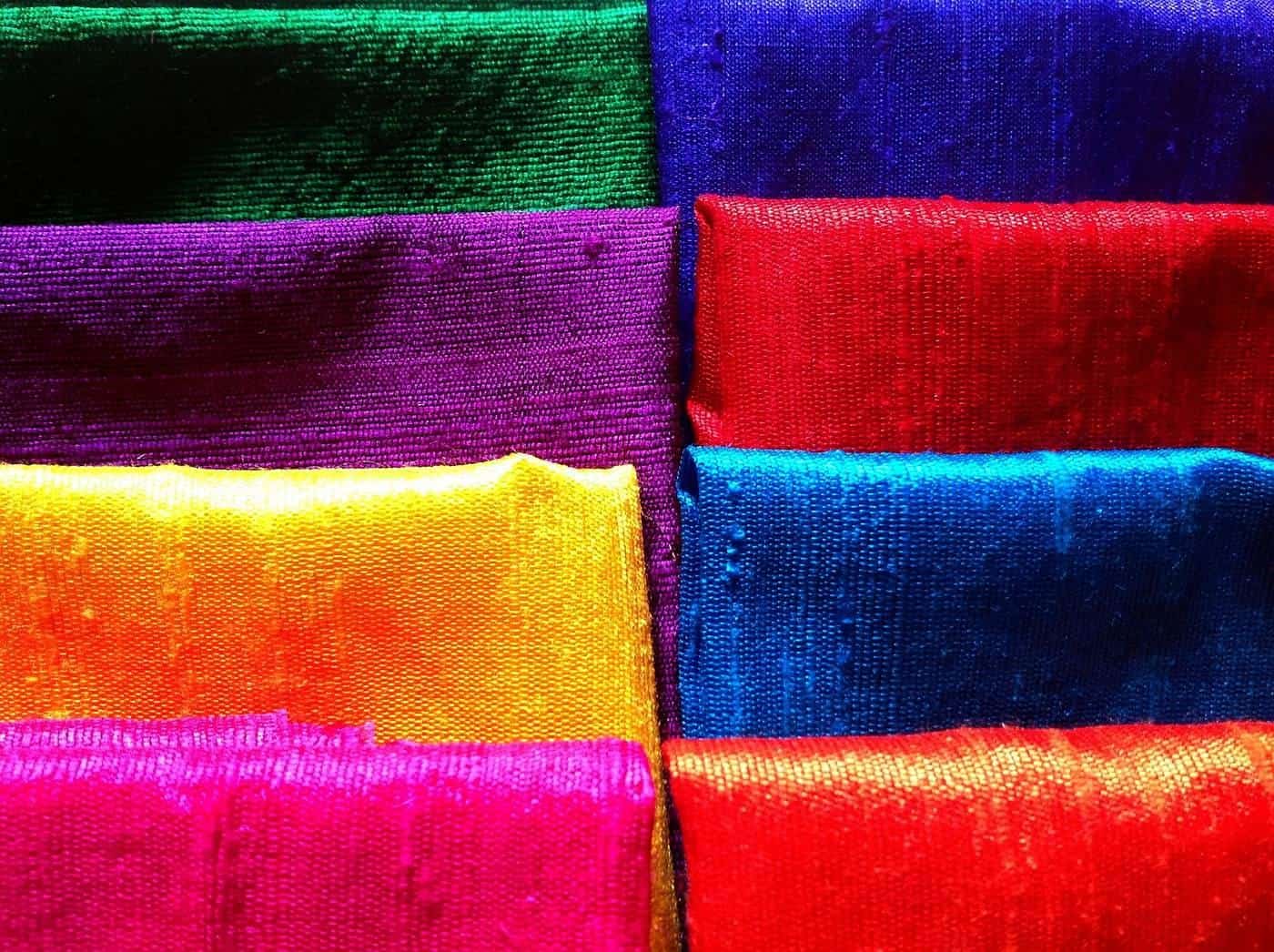
Silk and satin scrunchies
Silk and satin scrunchies explained: fibre versus weave, why smooth fabrics glide over hair, how to tell them apart and how to care for them.
Read · 6 min
Types
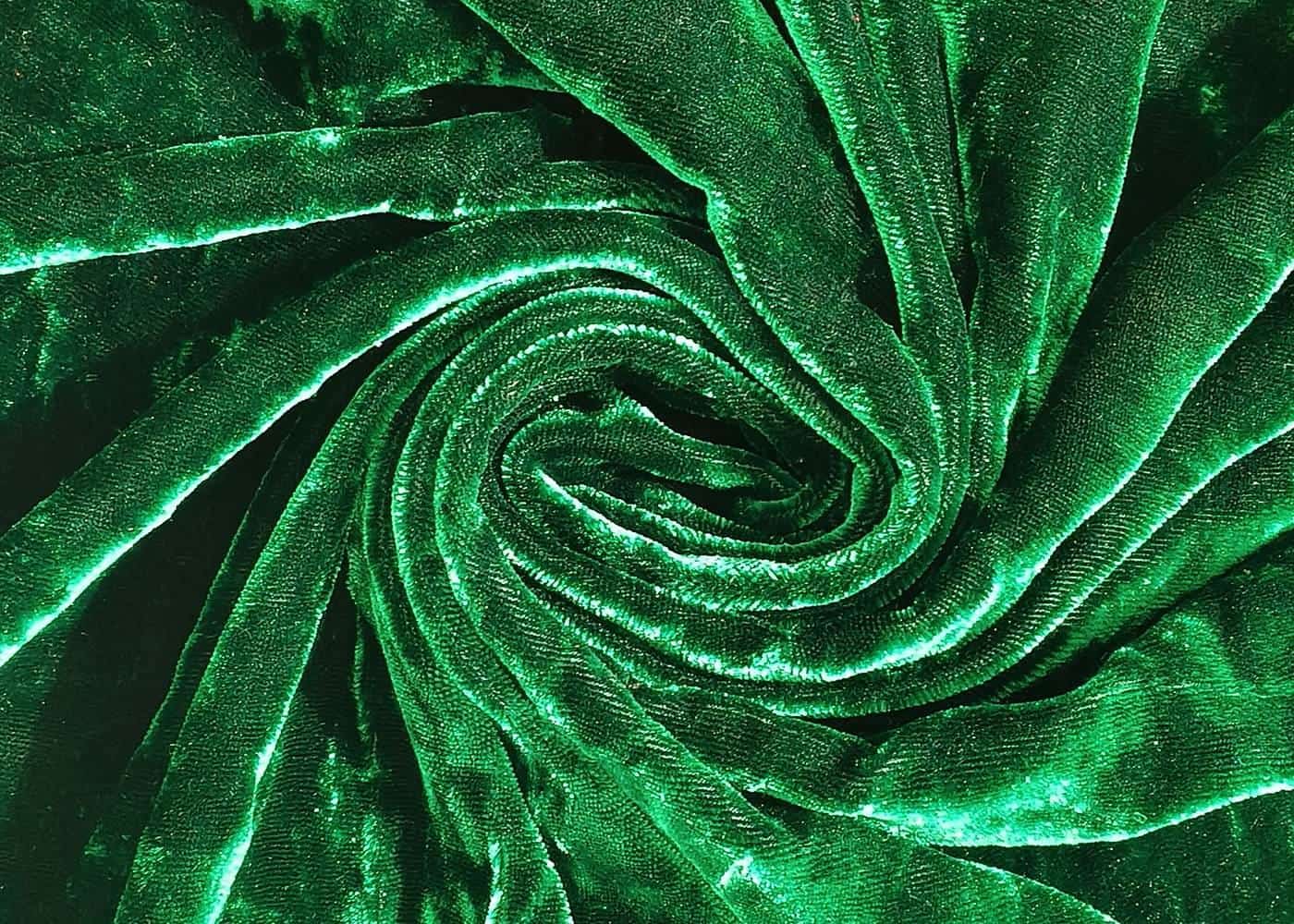
Velvet and cotton scrunchies
Velvet and cotton scrunchies compared: how they hold, how they feel, which hair types they suit and how to wash and store them.
Read · 6 min
Types
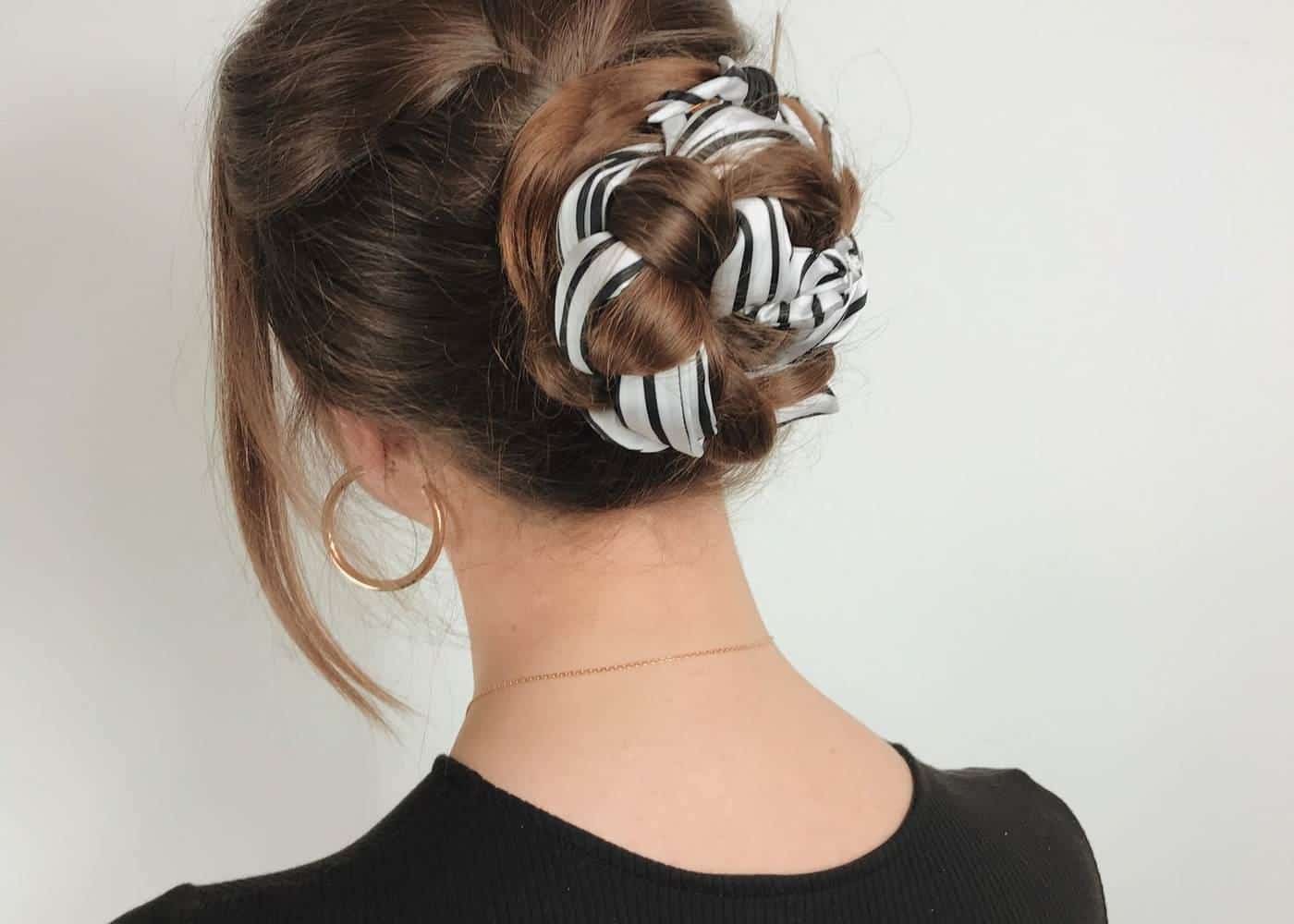
Oversized and skinny scrunchies
Oversized, classic and skinny scrunchies compared: how size changes hold and look, which suits your hair, and how to wear each style.
Read · 6 min
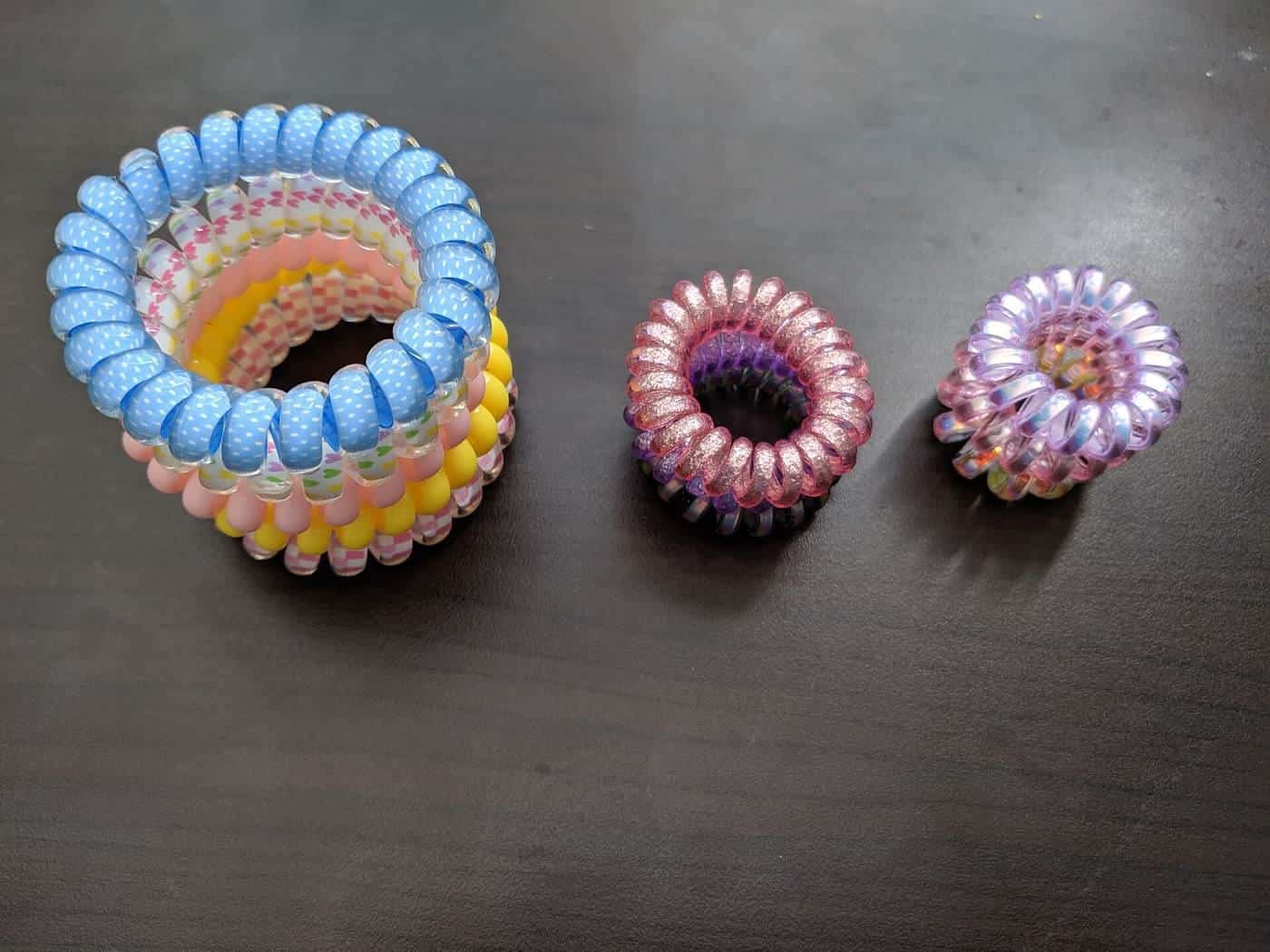
Types
Scrunchies vs hair ties and clips
How scrunchies compare with elastic hair ties, spiral ties, claw clips and bobby pins for hold, comfort and hair health, and when to use each.
Read · 6 min
Frequently asked questions
What is the best scrunchie fabric?
It depends on your hair and use. Smooth satin and silk reduce friction, velvet grips fine hair and cotton is breathable and easy to wash.
Is satin the same as silk?
No. Silk is a fibre; satin is a glossy weave that can be made from silk or synthetics such as polyester.
Are scrunchies better than hair ties?
Many people find them gentler because the fabric cushions the elastic. How tightly you tie your hair matters most.
Who invented the scrunchie?
According to NPR, singer Rommy Hunt Revson invented it in 1986 and received a design patent.
Sources and further reading
Facts on this page were checked against these primary and official sources. Conditions change — confirm before you travel or buy.
- The scrunchie is back. Here is its surprisingly long history — NPR
- Hairstyles that can lead to hair loss — American Academy of Dermatology
- Care labelling for clothing and textiles mandatory standard — ACCC Product Safety