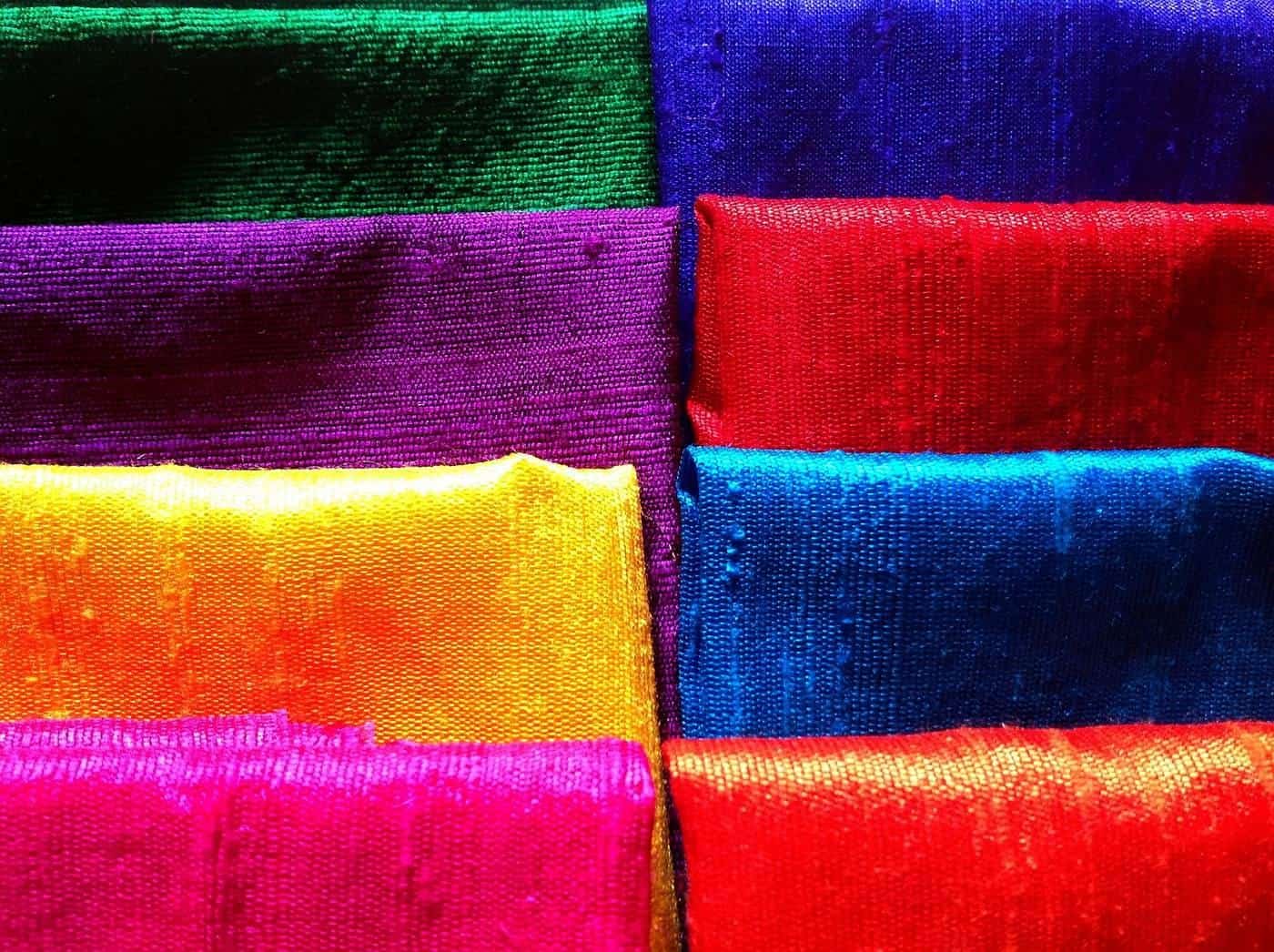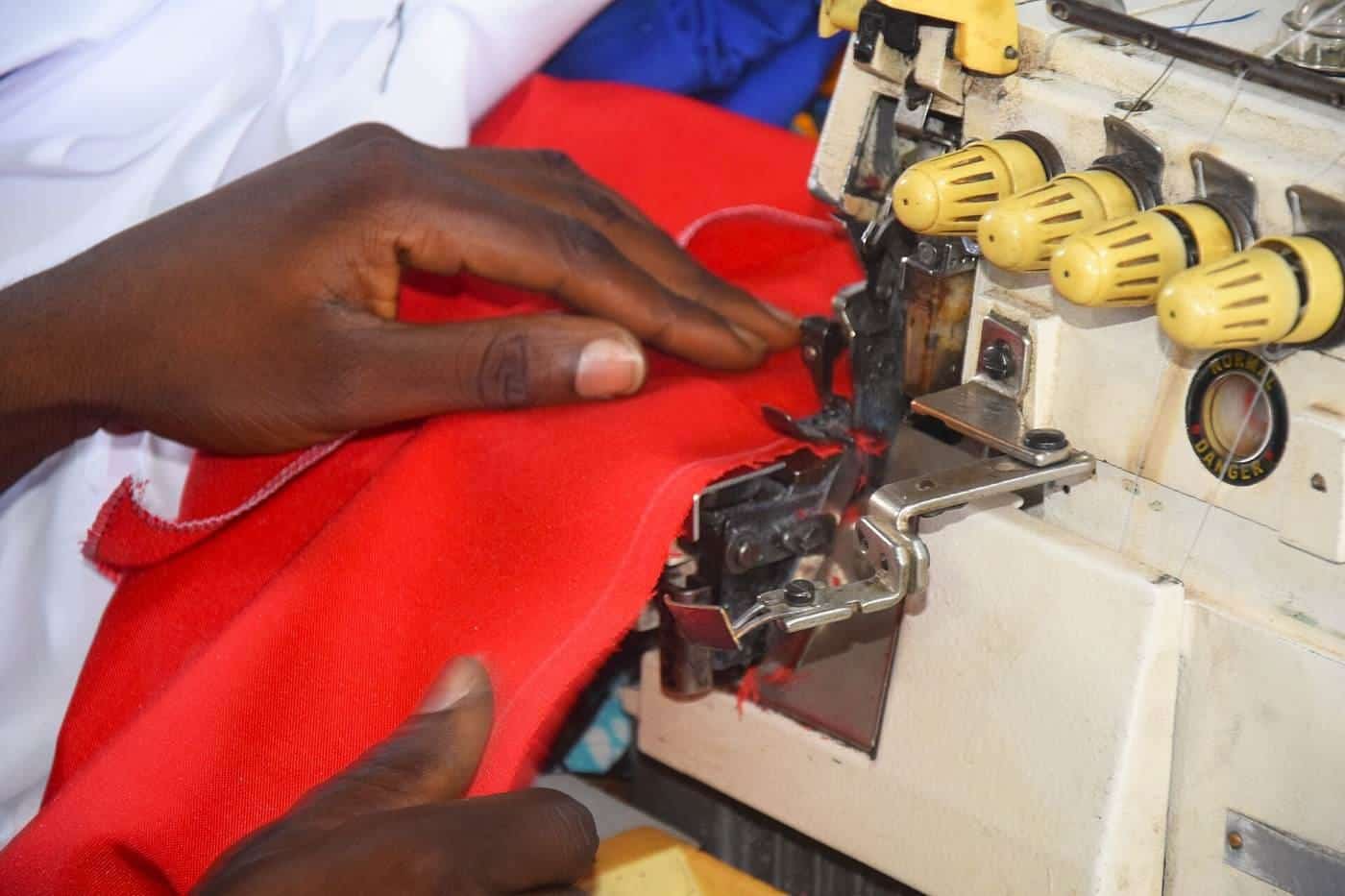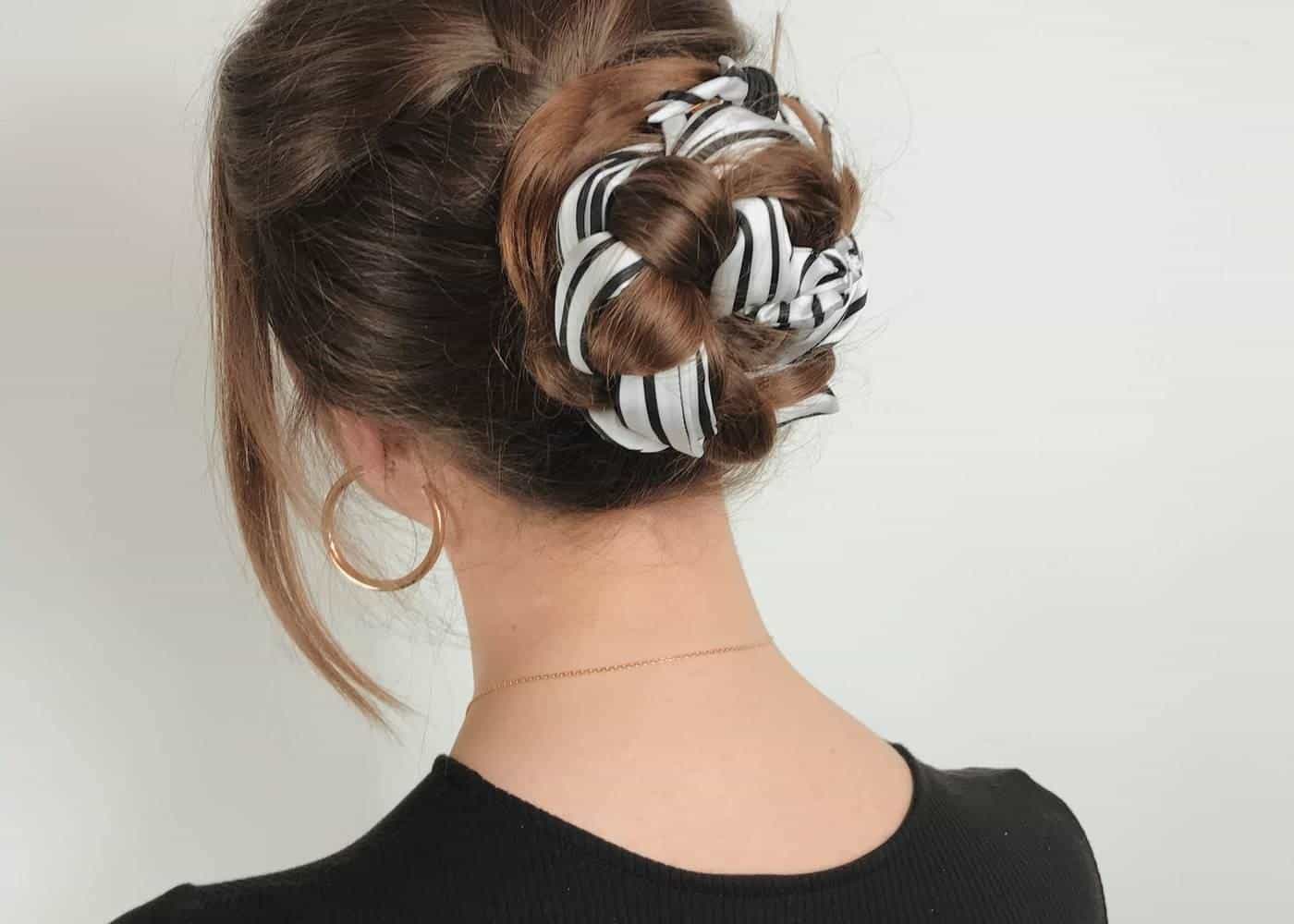
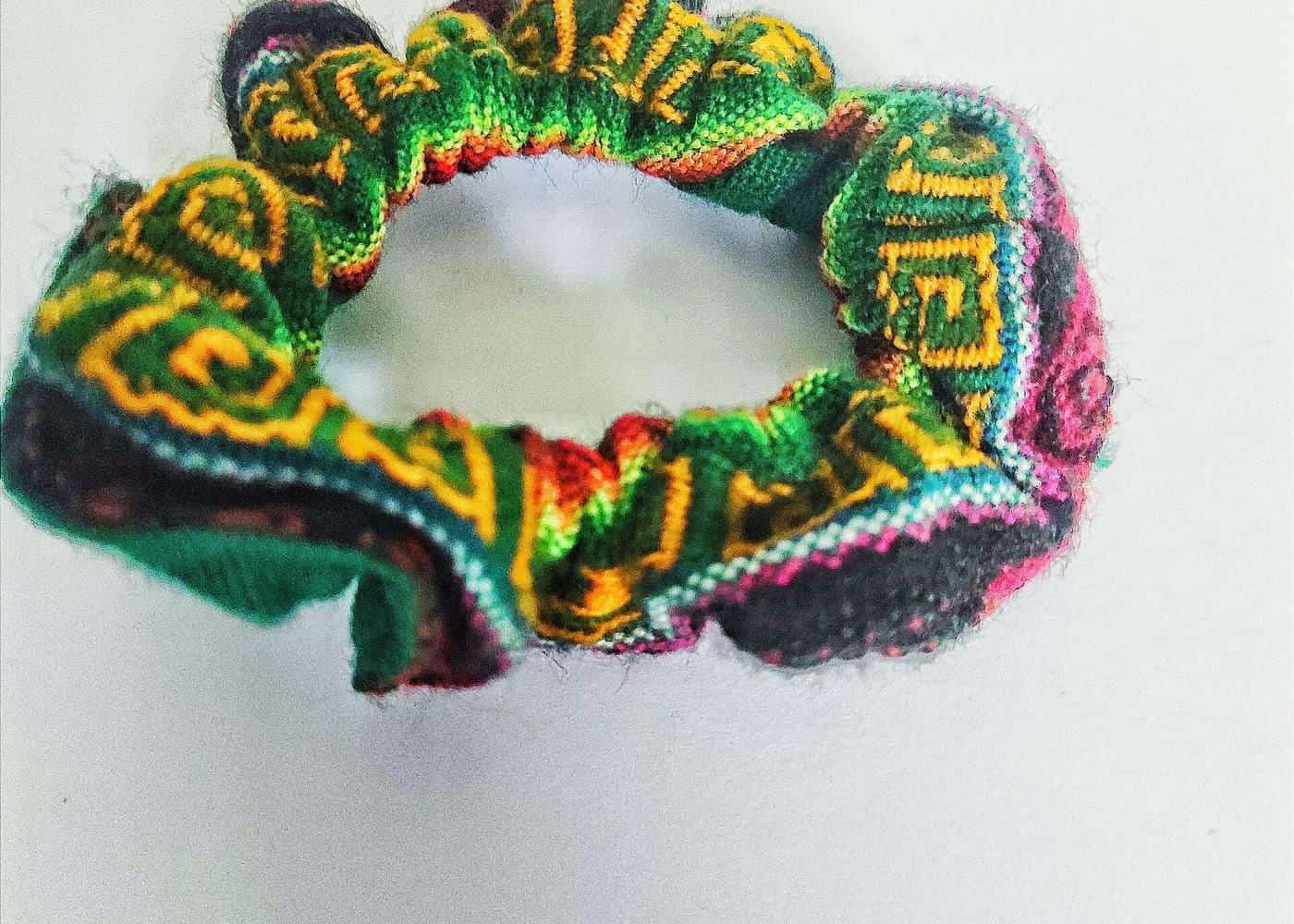
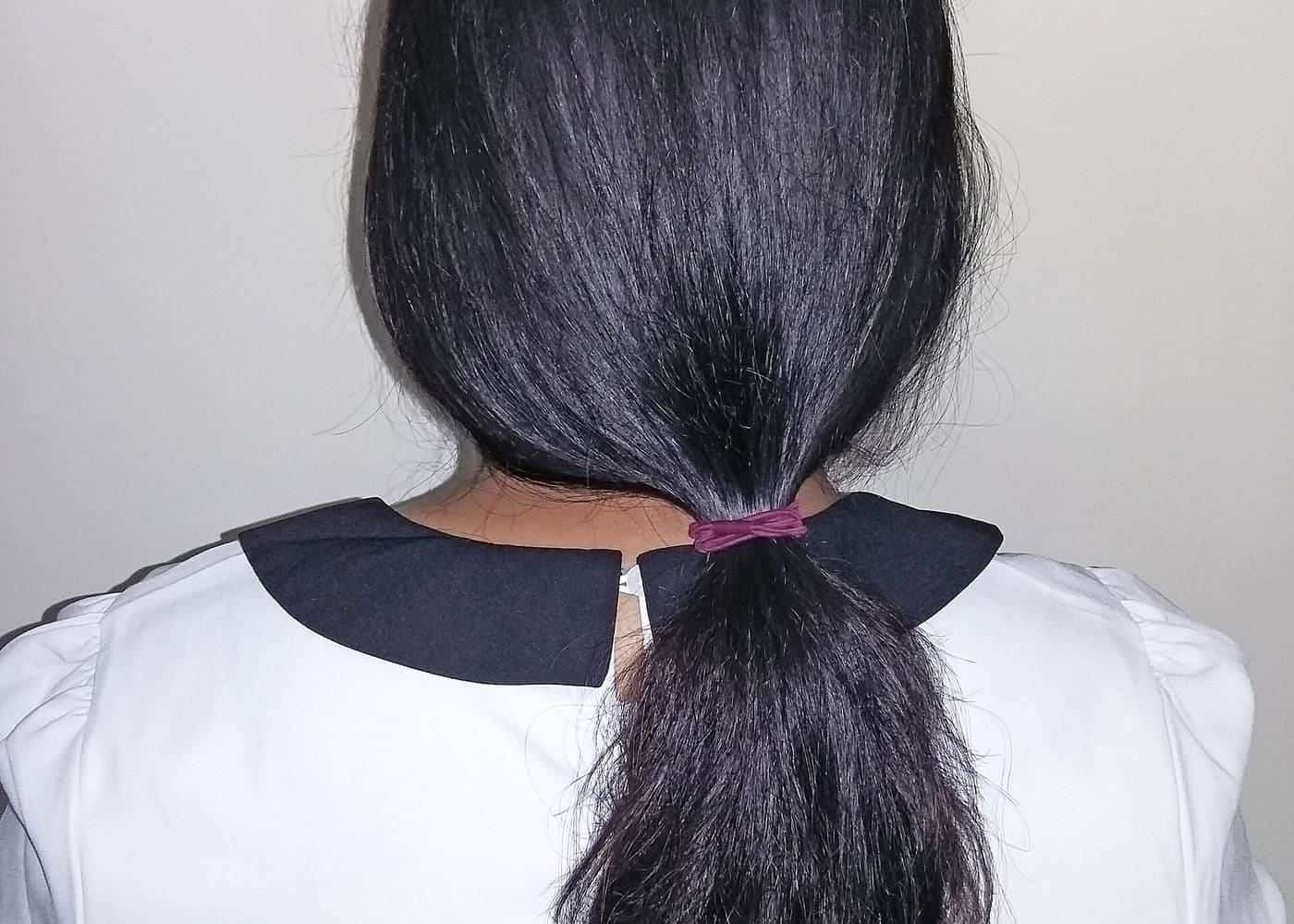
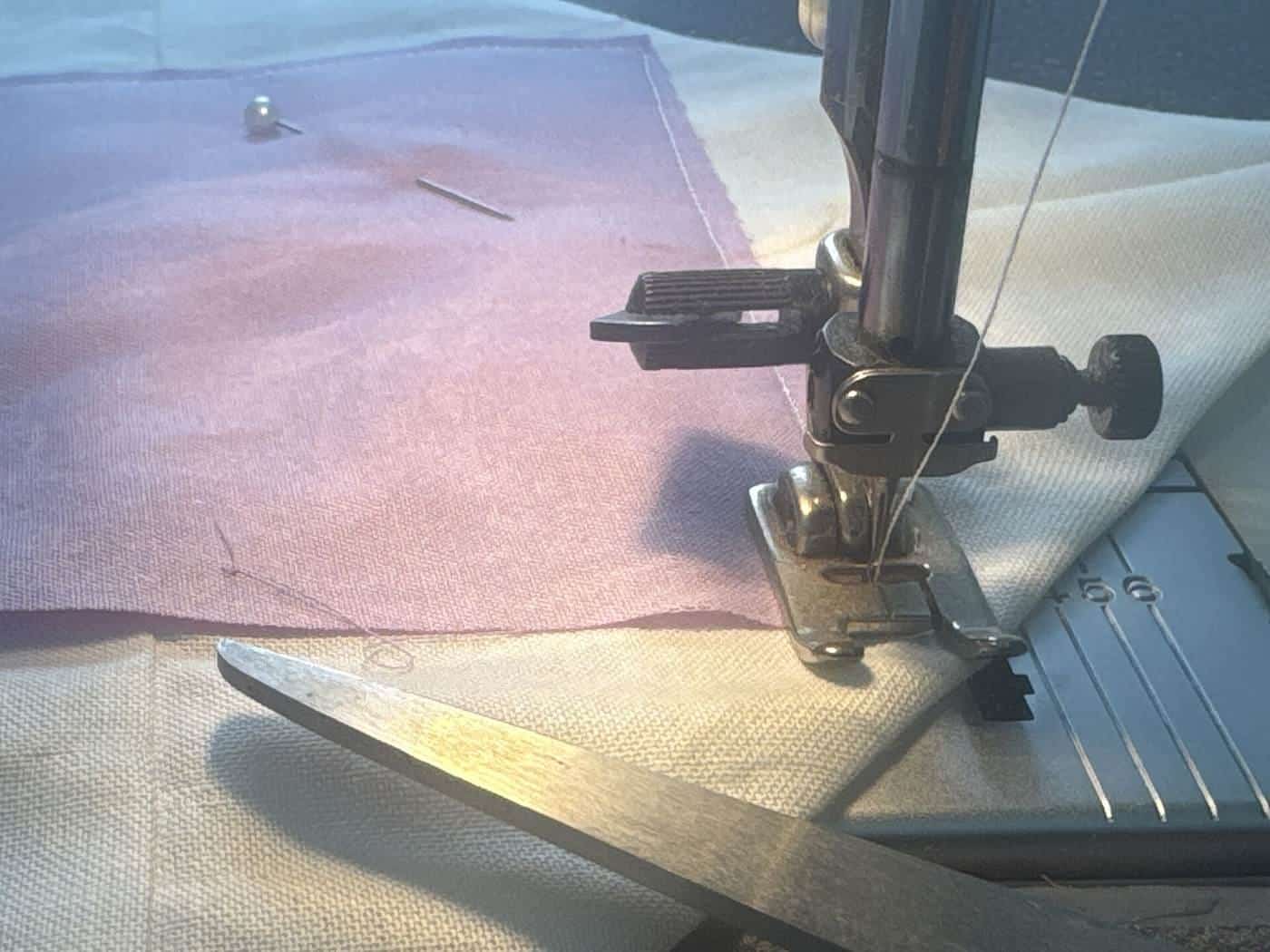
A scrunchie is a loop of elastic wrapped in gathered fabric, and it might be the most cheerful thing in your bathroom drawer. Since its invention in the 1980s, the scrunchie has gone from fashion staple to fashion joke and back again. Today people choose scrunchies not only for the look but because they want a softer way to tie their hair. This site brings together independent, plain-language guides to choosing the right scrunchie, wearing it gently, making your own and looking after it, with expert sources on every page.
Explore the guides
- Types Silk and satin, velvet and cotton, oversized and skinny, and how scrunchies compare with ties and clips.
- Hair care Protecting hair from breakage, curly and textured hair, sleeping with hair tied, sport and swimming.
- Make & care Sewing your own, washing and storing, kids safety and sustainable choices.
Popular guides
- Silk and satin scrunchies
- Protecting hair from breakage
- Scrunchies for curly and textured hair
- How to make a scrunchie
- Kids hair accessories safety
Why tension matters more than fabric
Dermatology organisations, including DermNet, the American Academy of Dermatology and the British Association of Dermatologists, explain that hairstyles which pull tightly on the hair for long periods can cause traction alopecia, a type of hair loss. It often shows up as thinning along the hairline or temples, broken hairs, tenderness or small bumps. The British Association of Dermatologists notes that stopping tight styles is the key step, and that early hair loss can be reversible. So the most important habit isn't buying the perfect scrunchie. It's wearing whatever you use loosely, changing where it sits and giving your hair days off.
Choosing a fabric
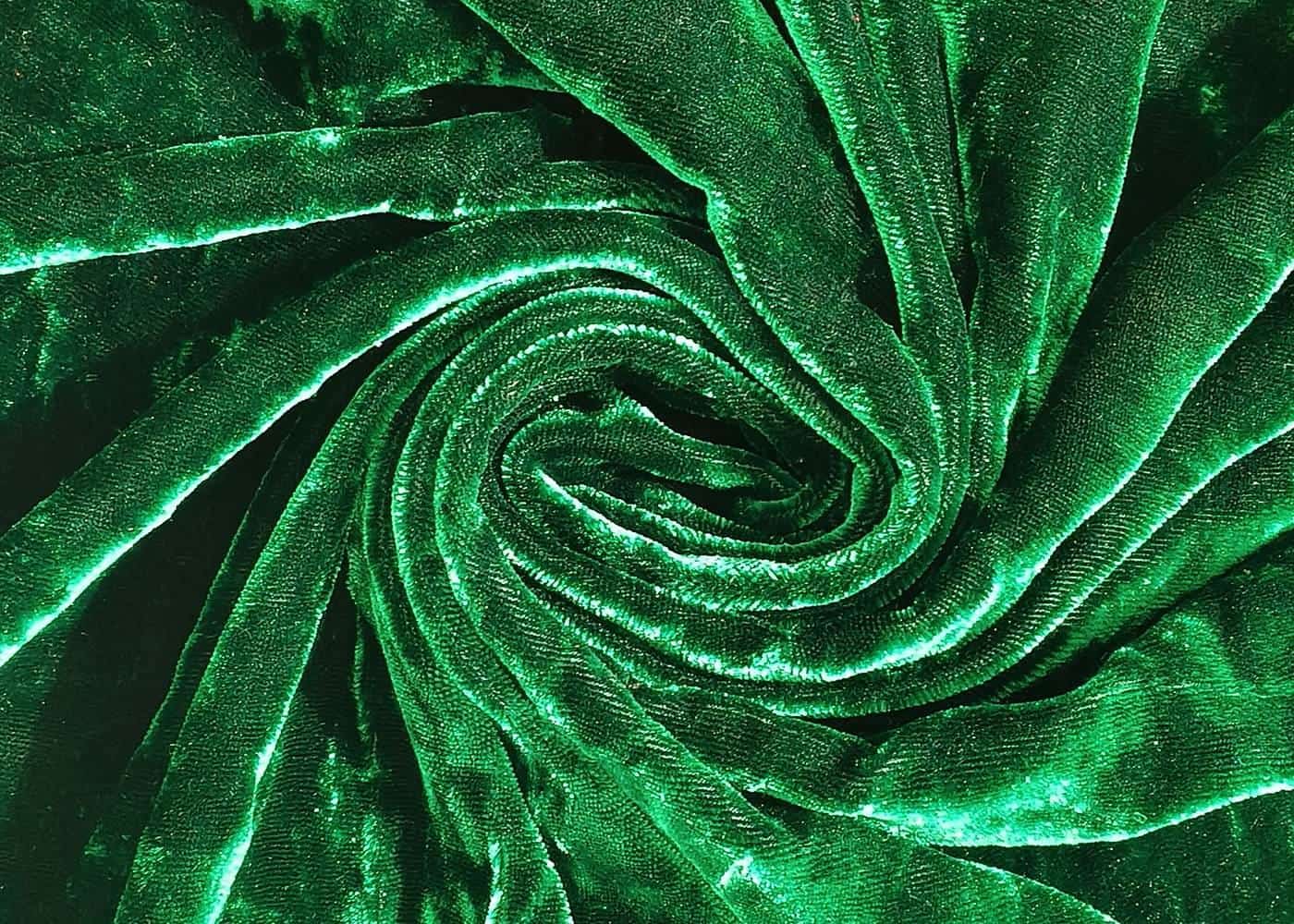
Silk is a natural fibre; satin is a glossy weave, usually made from polyester. Both are smooth, so they slide over hair with less friction and are popular for sleep and curly hair. Velvet's soft pile grips well, which suits fine or slippery hair. Cotton is breathable, easy to wash and easy to sew. Most people end up with a mix for different days.
Choosing a size
Scrunchies range from skinny bands to oversized puffs. The elastic does the holding and the fabric mostly changes the look. Skinny scrunchies suit neat buns and braids, classic sizes suit everyday ponytails and oversized ones make a soft statement. Choose light fabrics for big scrunchies so they don't drag.
Keeping children safe
ACCC Product Safety explains that small parts are a choking hazard for children up to 36 months, and its kids toys guide warns that cords and elastic longer than 22 cm can be a strangulation risk. Keep tiny hair ties and decorated clips away from babies and toddlers, check accessories for loose beads, and don't leave scrunchies in cots.
Caring for scrunchies
Follow the care label: in Australia, clothing and textile products covered by the mandatory care labelling standard must carry care instructions. Hand wash silk and velvet, machine wash cotton and polyester in a mesh bag, and air dry, because high heat damages elastic. When a scrunchie stretches out, replace the elastic rather than winding it tighter.
Use the scrunchie maker
Our free scrunchie maker suggests a fabric cut size and elastic length for skinny, classic, oversized and child-sized scrunchies, adjusted for fabric weight and hair type. It runs entirely in your browser, and nothing you choose is sent anywhere.
A little history
According to NPR, the scrunchie was invented in 1986 by singer Rommy Hunt Revson, inspired by the waistband of her sweatpants. She named it after her poodle and received a design patent. Scrunchies were everywhere in the late 1980s and 1990s, and they've returned in recent years in everything from silk to velvet.
About this site
This web address was once home to an online hair-accessory store, which later closed. Scrunchies is a new, independent site with original content and no connection to any previous operator. We don't sell anything, we never invent prices, statistics, quotes or reviews, and our guides aren't medical advice. If you're worried about hair loss or your scalp, see your GP or a dermatologist.