Scrunchies, hair ties and clips are so ordinary that it's easy to forget they can be risky for babies and young children. Small accessories, detachable decorations and loose elastic can all be hazards, and children's hair can be tied too tightly. This guide brings together safety guidance for parents and carers, based on information from ACCC Product Safety and dermatology organisations.
This guide is general information written in our own words. We don't recommend particular shops, brands or products, and we never quote prices. It isn't medical advice: if you're worried about your hair or scalp, see your GP or a dermatologist.
Choking hazards
Babies and toddlers explore the world by putting things in their mouths. ACCC Product Safety explains that small parts are a choking hazard for children up to 36 months. Under the mandatory safety standard for toys for children up to and including 36 months, a small part is defined using a test cylinder 31 mm in diameter and 57 mm long: anything that fits entirely inside it is considered a small part.
Hair accessories aren't toys, but the same choking risk applies. Common hazards include:
- Mini hair ties and tiny elastic bands.
- Beads, pearls, buttons, sequins and charms on scrunchies or clips.
- Small snap clips, bobby pins and hair slides.
- Decorations that come loose from worn or poorly made accessories.
A handy test at home is a cardboard toilet roll tube, which is roughly similar in width. If something fits inside, keep it out of reach. It's a rough guide, not the official test.
Strangulation risks
The ACCC's kids toys guide warns that cords and elastic longer than 22 cm can be a strangulation risk for young children. A full-sized scrunchie or hair tie is a loop of elastic, and babies can get things caught around their fingers, wrists or neck. Don't leave loose scrunchies, hair ties or headbands in a cot or bassinet, and don't use them to attach dummies or toys.
Hair ties around fingers and wrists
Tight elastic bands placed on a baby's or toddler's wrist or fingers, or picked up and pulled onto them, can restrict circulation. Check children's hands and wrists, and remove any band that's leaving a mark.
Choosing accessories for young children
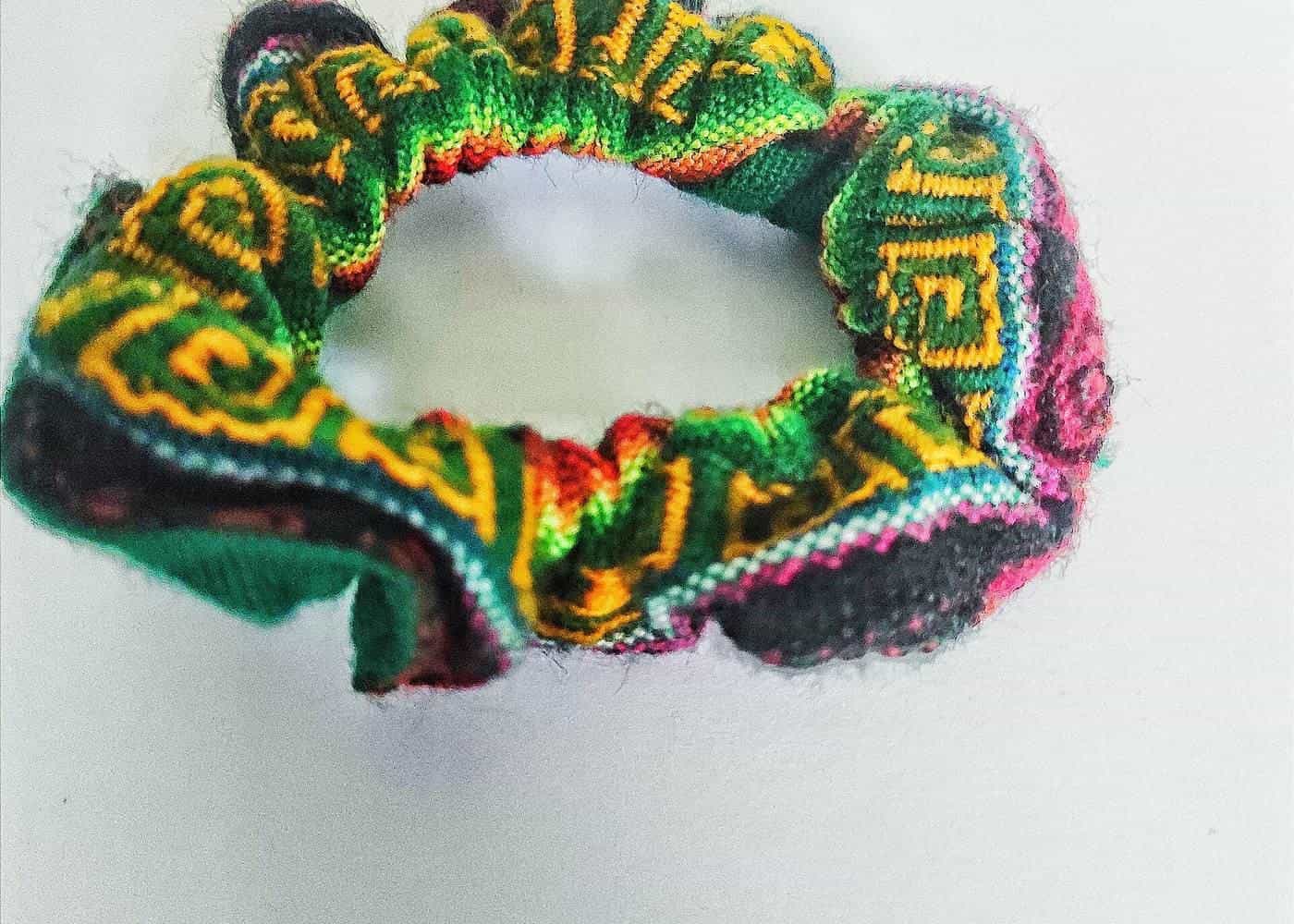
- Choose larger, soft scrunchies without detachable decorations.
- Avoid tiny elastics for babies and toddlers; use them only where you can supervise.
- Check accessories regularly for loose beads, fraying or broken elastic, and throw away damaged ones.
- Buy from sellers who describe materials clearly and can answer safety questions.
- Remove hair accessories before naps and bedtime for babies and toddlers.
Gentle hairstyles for kids
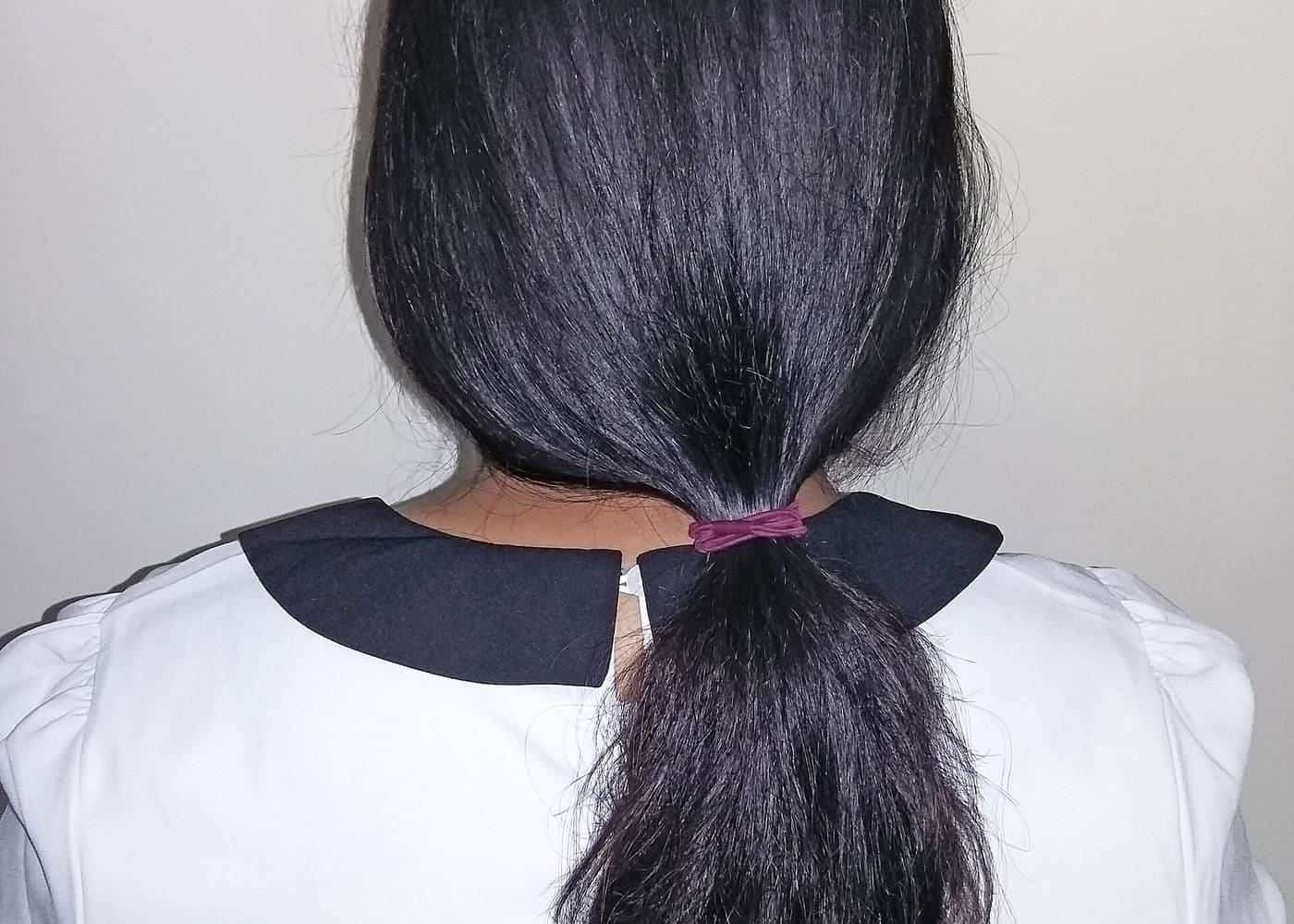
Children's hair is often tied up tightly for school, dance and sport. The American Academy of Dermatology notes that tight hairstyles worn regularly can lead to traction alopecia. Children may not mention discomfort. Keep ponytails and braids comfortable, vary positions, give hair days down and watch for signs like thinning at the hairline, bumps or tenderness. See a GP if you're concerned.
Homemade scrunchies for kids
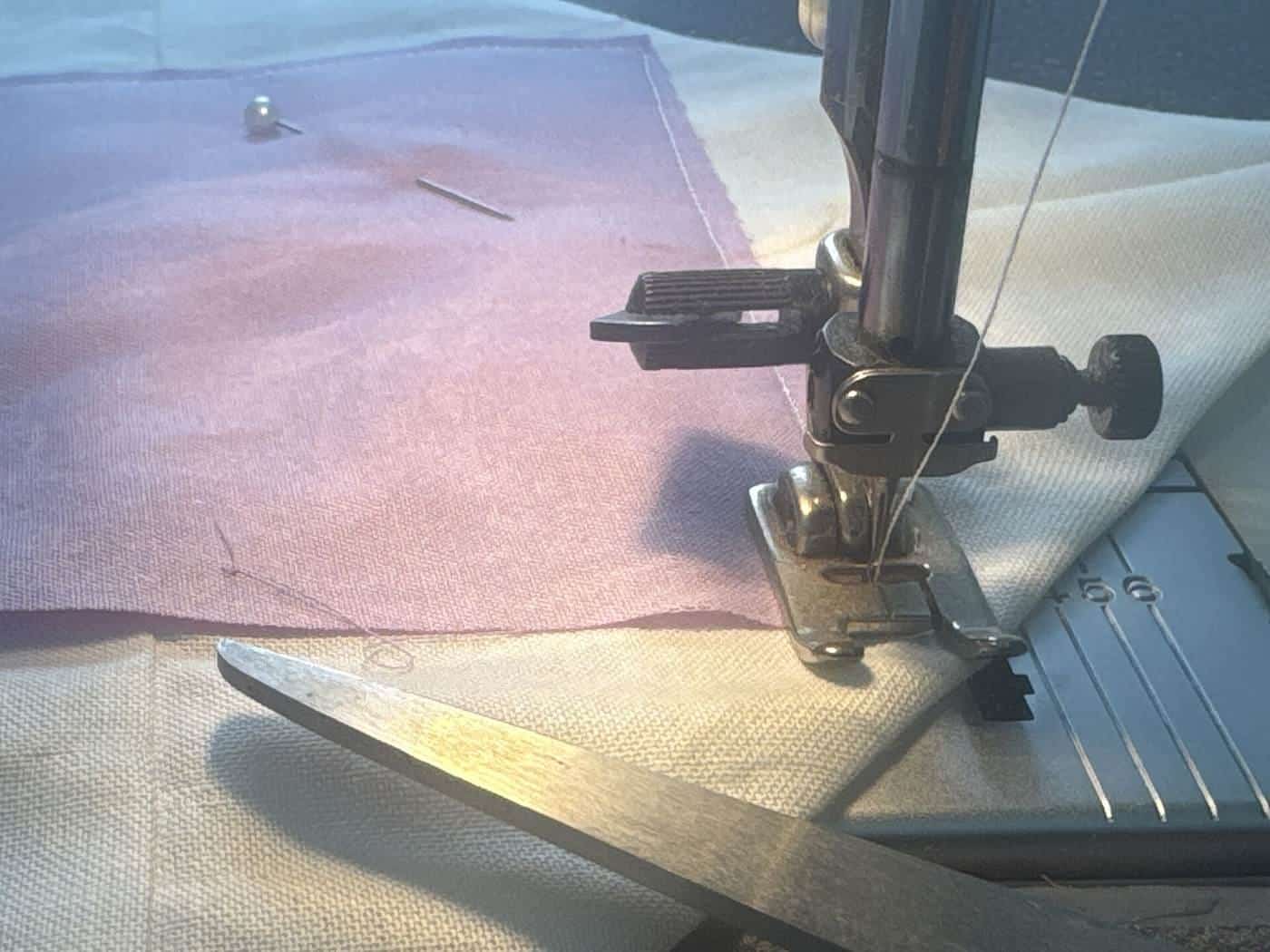
If you sew scrunchies for children, sew seams securely, use strong thread and avoid adding small decorations. Join the elastic with plenty of stitching so it can't pull apart. Make sure child-sized scrunchies aren't too tight; our scrunchie maker gives a starting size. If you sell handmade accessories, check ACCC Product Safety for rules that may apply.
Older children
Older children can use most accessories safely, but keep tiny ones away from younger siblings. Teach children not to put hair ties in their mouths, and to tell you if a hairstyle hurts.
If your child swallows something
If a child is choking and can't breathe, cough or cry, call Triple Zero (000) immediately. If a child has swallowed a small object and seems well, get medical advice promptly. The Poisons Information Centre (13 11 26) can also advise, particularly if a battery may have been swallowed.
Reporting unsafe products
If you find an unsafe children's product, you can report it to ACCC Product Safety. The Product Safety Australia website also lists recalls, so you can check whether a product you own has been recalled.
Hair accessories at childcare and school
Many childcare centres and schools have rules about hair accessories, jewellery and small items for safety. Check what's allowed, and label scrunchies if children tend to lose them. Simple, soft scrunchies in school colours are usually acceptable for older children. For babies and toddlers in care, ask whether accessories should be removed during sleep and play.
Checking accessories regularly
Make a habit of checking children's scrunchies and clips when you wash or tidy them. Look for loose stitching, exposed elastic, split clips and decorations that move when you tug them. Repair or throw away anything that's damaged before it becomes a hazard.
Use the scrunchie maker
Our free scrunchie maker suggests a starting fabric cut size and elastic length for skinny, classic, oversized and child-sized scrunchies, adjusted for light, medium or heavy fabric and for fine, medium or thick hair. It's a home-sewing starting point rather than a standard, so feel free to adjust. It runs entirely in your browser, and nothing you choose is sent anywhere.
Where our information comes from
Health statements in our guides are based on expert sources, including DermNet, the American Academy of Dermatology and the British Association of Dermatologists. Safety and care labelling information comes from ACCC Product Safety and the Federal Register of Legislation, and consumer rights information from the ACCC and Scamwatch. We link to each source at the end of the page, rewrite everything in our own words and show the date each guide was last checked.
A gentle scrunchie habit in one sentence
Choose a scrunchie that suits your hair, wear it loosely, move it around, give your hair days off, keep it clean and replace the elastic when it's tired. Almost everything else in this guide supports those simple habits.
Questions to ask before you buy
Before buying a scrunchie, ask yourself: what will I use it for, does the fabric suit my hair, is the elastic strong enough to hold without winding tight, are the seams neat, and can I wash it the way I like? Check product descriptions for fibre content and care instructions. Clear descriptions are a good sign of a seller who knows what they're selling.
Hair loss has many causes
Tight hairstyles are only one cause of hair loss. Genetics, hormonal changes, pregnancy, illness, some medicines, nutritional deficiencies, stress and scalp conditions can all play a part. If you notice unexplained thinning, patches or shedding, see your GP or a dermatologist rather than assuming your scrunchie is to blame. Early assessment helps.
Rotating your collection
Keeping a few scrunchies in rotation helps them last longer, because elastic recovers between wears and each one is washed less often. A practical set might include a smooth one for sleep, a grippy one for busy days, a water-friendly tie for swimming and a decorative one for going out.
Scrunchies and style
Scrunchies have moved in and out of fashion since the late 1980s, from bold oversized styles to discreet skinny ones and back again. Today they suit casual, work and evening looks, depending on the fabric. A plain classic scrunchie in a neutral colour is the most versatile, while velvet, prints and oversized puffs add personality.
Your rights when buying
The ACCC explains that consumer guarantees under the Australian Consumer Law apply to goods bought from Australian businesses, online or in store. Goods must be of acceptable quality and match their description. If a scrunchie falls apart quickly or isn't as described, contact the seller. Change of mind is different: a business doesn't have to refund unless its policy says it will.
Key points
- Small parts are a choking hazard for children under three.
- The ACCC defines small parts with a cylinder 31 mm wide and 57 mm long.
- Cords and elastic longer than 22 cm are a strangulation risk on toys; keep loose elastic out of cots.
- Keep children's hairstyles comfortable and check accessories for loose parts.
Frequently asked questions
Are scrunchies safe for babies?
Supervise closely. Small accessories and detachable decorations can be choking hazards, and loose items shouldn't be left in cots.
What counts as a small part?
ACCC Product Safety says items small enough to fit in a test cylinder 31 mm wide and 57 mm long are small parts.
Are hair ties a strangulation risk?
The ACCC warns that cords and elastic longer than 22 cm on toys are a strangulation risk for young children. Keep loose elastic away from babies.
How tight should a child's ponytail be?
Comfortable, never painful. Children may not complain, so ask them and keep styles loose.
Sources and further reading
Facts on this page were checked against these primary and official sources. Conditions change — confirm before you travel or buy.
- Toys for children up to and including 36 months of age mandatory standard — ACCC Product Safety
- Kids toys guide — ACCC Product Safety
- Hairstyles that can lead to hair loss — American Academy of Dermatology