Some people sleep with their hair down; others can't sleep unless it's tied out of the way. Both are fine. What matters is that any style you wear overnight is gentle, because you'll be wearing it for many hours and lying on it. This guide explains how to tie your hair for sleep without adding unnecessary tension or friction.
This guide is general information written in our own words. We don't recommend particular shops, brands or products, and we never quote prices. It isn't medical advice: if you're worried about your hair or scalp, see your GP or a dermatologist.
Why overnight styles matter
Dermatology organisations, including the American Academy of Dermatology and DermNet, explain that traction alopecia is caused by prolonged or repeated pulling on hair. A tight style worn all day and then all night means many hours of tension without a break. Hair also rubs against the pillow as you turn over, which can cause friction, tangles and breakage, especially for long, curly or fine hair.
Hair down or up?
If you have short hair, or long hair that doesn't tangle much, sleeping with it down is often the simplest option. It removes tension altogether. If your hair tangles, gets in your face or overheats you, a loose tie can help. The aim is a style that stops tangling without pulling.
Gentle ways to tie hair for sleep
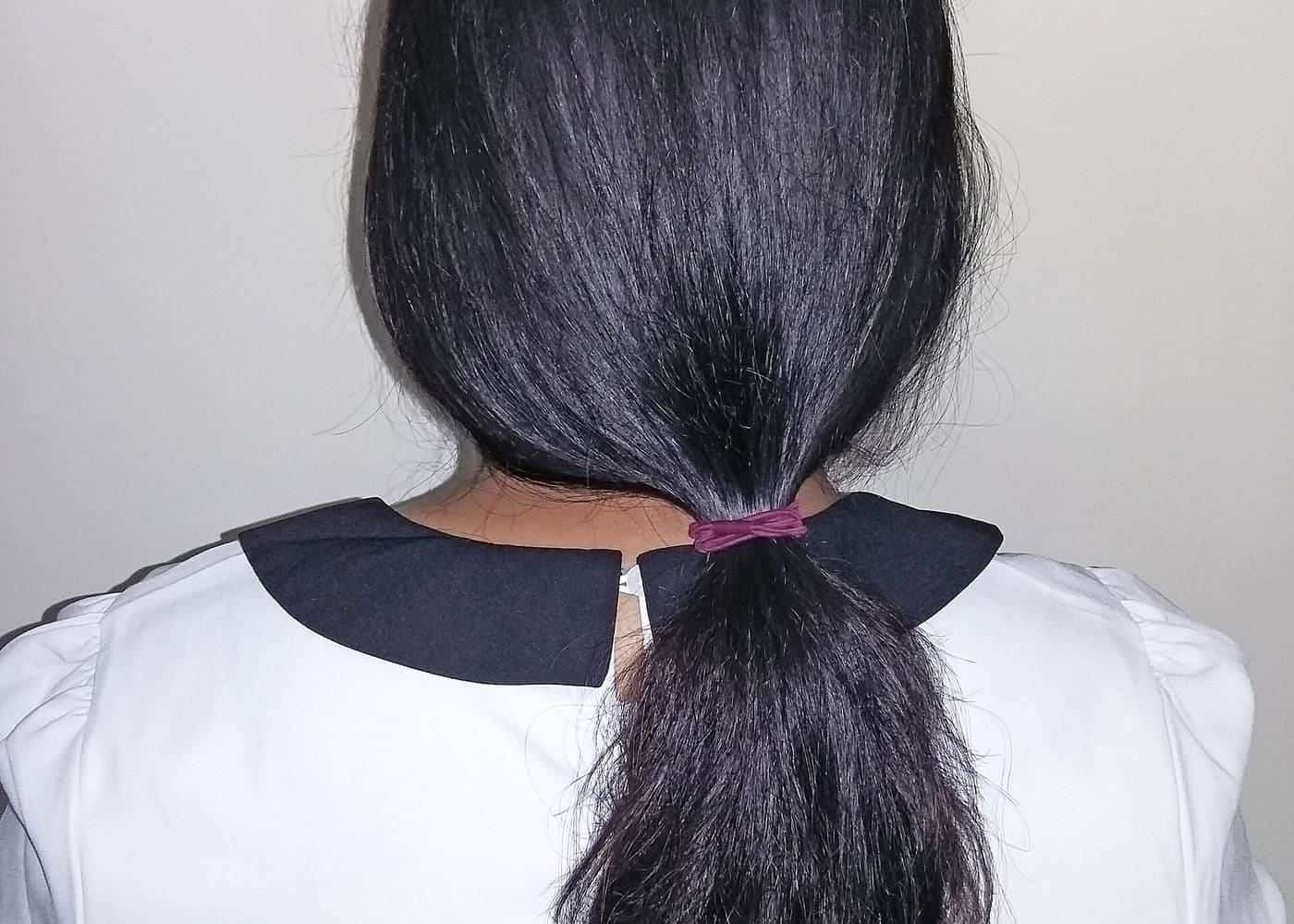
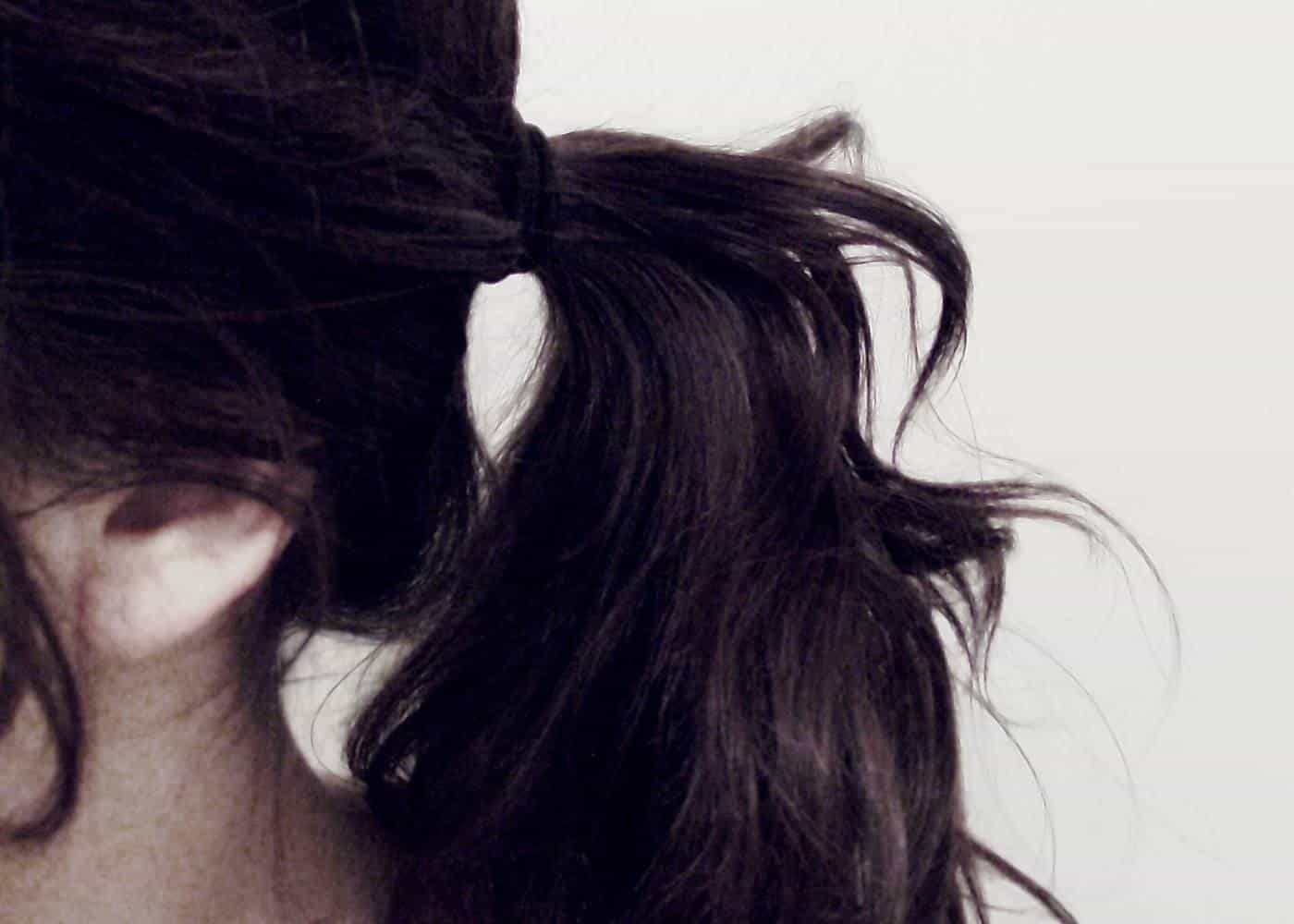
- A loose, low ponytail. Sit it low at the nape so you're not lying on a bump. Use a soft scrunchie with one or two loose wraps.
- A loose braid. A single loose plait secured with a skinny scrunchie keeps long hair tangle-free.
- A pineapple. For curly hair, gather it loosely at the top of the head; see our curly hair guide.
- A loose bun on top. A soft, loose bun high on the head keeps hair away from the pillow. Avoid tight top knots.
- A wrap or bonnet. Some people, particularly those with curly or textured hair, cover their hair with a smooth bonnet or scarf.
What to avoid
- Tight high ponytails or buns that you lie on.
- Hard clips or claw clips, which are uncomfortable and press into the scalp.
- Thin elastics with metal joins, which can snag as you move.
- Tying hair while it's wet: wet hair is more fragile.
- Heavy decorative scrunchies with beads or bows that dig in.
Why a scrunchie is a common choice
A soft scrunchie spreads its hold over gathered fabric and has no exposed metal, so it's comfortable to lie on and less likely to leave a sharp kink. Smooth fabrics such as satin and silk slide over hair as you move. Wear it loosely, and check that the elastic isn't so tight that it leaves a mark.
Pillowcases
Many people choose smooth pillowcases made from silk or satin, saying they reduce frizz and tangles. The idea is the same as with smooth scrunchies: less friction. Evidence for specific benefits is limited, and pillowcases aren't a treatment for hair loss, but they may make your hair more manageable in the morning. Cotton pillowcases are fine for many people too.
Children's hair at night
For children, loose braids or ponytails can stop long hair tangling overnight. Use soft, well-made scrunchies, and don't leave small accessories, beads or loose hair ties in a baby's or toddler's cot or bed because of choking risks. Our kids safety guide explains why.
Morning habits
Take your scrunchie out gently in the morning, unwinding it rather than pulling it down. Loosen any kinks with your fingers or a wide-tooth comb. If you tie your hair up again during the day, change its position from the night before so the pull isn't on the same spot.
Signs you need to change your routine
If you wake with a sore scalp, a headache, red marks or tenderness where your hair was tied, your night style is too tight. Persistent thinning at the hairline or temples is a reason to see a GP or dermatologist. The British Association of Dermatologists explains that stopping tight styles early gives the best chance of hair regrowing.
Keeping night scrunchies clean
Night scrunchies pick up oils, hair products and skin cells. Wash them regularly according to the care label; see our washing guide. Keep a couple in rotation so there's always a clean one by the bed.
Sleeping with long hair
Very long hair can tangle badly overnight or get trapped under your shoulder as you turn. A loose braid secured at the end with a skinny scrunchie keeps the lengths together. Some people braid loosely and then gather the braid in a loose bun on top. Experiment to find what's comfortable for you.
Sleeping after colour or treatments
After chemical treatments such as colouring, perming or relaxing, hair can be more fragile. Follow your hairdresser's aftercare advice, which may include avoiding tight ties for a few days. A soft scrunchie, worn loosely, is usually the gentlest option if you need to tie your hair.
Use the scrunchie maker
Our free scrunchie maker suggests a starting fabric cut size and elastic length for skinny, classic, oversized and child-sized scrunchies, adjusted for light, medium or heavy fabric and for fine, medium or thick hair. It's a home-sewing starting point rather than a standard, so feel free to adjust. It runs entirely in your browser, and nothing you choose is sent anywhere.
Where our information comes from
Health statements in our guides are based on expert sources, including DermNet, the American Academy of Dermatology and the British Association of Dermatologists. Safety and care labelling information comes from ACCC Product Safety and the Federal Register of Legislation, and consumer rights information from the ACCC and Scamwatch. We link to each source at the end of the page, rewrite everything in our own words and show the date each guide was last checked.
A gentle scrunchie habit in one sentence
Choose a scrunchie that suits your hair, wear it loosely, move it around, give your hair days off, keep it clean and replace the elastic when it's tired. Almost everything else in this guide supports those simple habits.
Questions to ask before you buy
Before buying a scrunchie, ask yourself: what will I use it for, does the fabric suit my hair, is the elastic strong enough to hold without winding tight, are the seams neat, and can I wash it the way I like? Check product descriptions for fibre content and care instructions. Clear descriptions are a good sign of a seller who knows what they're selling.
Hair loss has many causes
Tight hairstyles are only one cause of hair loss. Genetics, hormonal changes, pregnancy, illness, some medicines, nutritional deficiencies, stress and scalp conditions can all play a part. If you notice unexplained thinning, patches or shedding, see your GP or a dermatologist rather than assuming your scrunchie is to blame. Early assessment helps.
Rotating your collection
Keeping a few scrunchies in rotation helps them last longer, because elastic recovers between wears and each one is washed less often. A practical set might include a smooth one for sleep, a grippy one for busy days, a water-friendly tie for swimming and a decorative one for going out.
Scrunchies and style
Scrunchies have moved in and out of fashion since the late 1980s, from bold oversized styles to discreet skinny ones and back again. Today they suit casual, work and evening looks, depending on the fabric. A plain classic scrunchie in a neutral colour is the most versatile, while velvet, prints and oversized puffs add personality.
Your rights when buying
The ACCC explains that consumer guarantees under the Australian Consumer Law apply to goods bought from Australian businesses, online or in store. Goods must be of acceptable quality and match their description. If a scrunchie falls apart quickly or isn't as described, contact the seller. Change of mind is different: a business doesn't have to refund unless its policy says it will.
Key points
- Overnight styles should be loose because you wear them for many hours.
- Loose low ponytails, braids, buns and pineapples are common gentle choices.
- Avoid hard clips, metal joins and tying wet hair tightly.
- Wash night scrunchies regularly and keep small accessories out of cots.
Frequently asked questions
Is it bad to sleep with your hair up?
Not if it's loose. Sleeping in a tight style holds tension for hours, which dermatology bodies link to traction alopecia.
What's the best way to tie hair for sleep?
A loose, low ponytail or loose braid with a soft scrunchie, or a pineapple for curly hair, are common choices.
Do silk pillowcases help?
Many people find smooth pillowcases reduce friction and frizz. They aren't a medical treatment.
Should I sleep with wet hair tied up?
It's better to let hair dry first. Wet hair is more fragile and can stretch.
Sources and further reading
Facts on this page were checked against these primary and official sources. Conditions change — confirm before you travel or buy.
- Hairstyles that can lead to hair loss — American Academy of Dermatology
- Traction alopecia — DermNet
- Traction alopecia patient information leaflet — British Association of Dermatologists